


Clean Gaming Keyboard: Guide for Dusty & Humid Conditions
Clean gaming keyboard quickly and safely in dusty or humid conditions with step-by-step tips, tool checklist, and maintenance routines to prevent corrosion and switch failure. 🧼💨
Read moreASRock Z890 Taichi cooling: Compare air, AIO, and custom loop options to optimize temps, noise, and compatibility for your build. Get mounting tips and model picks. ❄️⚙️

So, you’ve got your eye on the upcoming ASRock Z890 Taichi? You're not alone. This beast is set to be the heart of many high-end PC builds across South Africa. But before you start dreaming of record-breaking frame rates with Intel's new Arrow Lake CPUs, there’s a critical question: how will you handle the ASRock Z890 Taichi cooling? Getting this right is the difference between a stable, screaming-fast rig and a throttling mess. ⚡
Let's make sure you choose the best solution.
The ASRock Taichi series has always been about pushing performance limits, and the Z890 will be no exception. These motherboards are engineered with beefy Voltage Regulator Modules (VRMs) to deliver clean, stable power for serious overclocking. But more power means more heat.
While the Z890 Taichi will undoubtedly come with massive, high-quality heatsinks for its VRMs and M.2 slots, the real challenge is cooling the CPU it's designed to host. Next-generation processors are powerful, and that power generates significant thermal load. Your cooling solution needs to be up to the task of not just cooling the CPU, but also promoting airflow across the entire motherboard. This is a common requirement for all powerful Intel motherboards, but it's especially true for a flagship model like this.
When it comes to ASRock Z890 Taichi cooling solutions, the age-old debate between air and liquid coolers is more relevant than ever. There’s no single "best" answer... it depends on your build priorities, case, and budget.
Don't underestimate modern air coolers. A premium dual-tower air cooler from a top brand can easily compete with many 240mm AIOs (All-In-One liquid coolers).
For maximum thermal headroom, especially if you plan to overclock, an AIO is often the preferred choice for a high-end board like the Taichi.
Deciding between the two often comes down to personal preference and budget, whether you're building on a budget or going all-out with the best cheap Intel and AMD based motherboards or a premium option.
The Z890 Taichi will have excellent built-in VRM heatsinks, but they don't work in a vacuum. A good CPU cooler, especially an air cooler, helps move air over these critical components. If you opt for an AIO, ensure your case fans are set up to provide some direct airflow across the motherboard's upper section to keep those power delivery systems happy during intense gaming sessions.
So, what should you actually pair with this motherboard? Here are our top recommendations for getting your ASRock Z890 Taichi cooling spot on.
Ultimately, choosing the best cooling for the ASRock Z890 Taichi means matching your cooler to your ambitions. For a top-tier experience, a high-performance AIO is hard to beat, but a premium air cooler remains a rock-solid and reliable alternative.
Ready to Build Your Ultimate PC? Taming the ASRock Z890 Taichi is a challenge worthy of a true enthusiast. Getting the cooling right is crucial, but it all starts with the right foundation. Explore our incredible range of motherboards and find the perfect board to power your next victory.
Air coolers, 240–360mm AIOs, and custom loops all work; choose by case clearance, CPU TDP, and noise goals for the best CPU cooler for Z890 Taichi.
Yes if your case supports a 360mm radiator and clearance allows it; always check Z890 Taichi cooler clearance and mount points before buying.
For heavy overclocking or high-core CPUs, extra airflow or dedicated VRM cooling helps; research Z890 Taichi VRM cooling options.
Most modern AIOs include current Intel mounts, but confirm ASRock Z890 Taichi AIO mounting compatibility in product specs and the motherboard manual.
High-end air coolers often run quieter at similar temps; AIOs can offer better peak cooling. Compare best fans for Z890 Taichi for low-noise builds.
The board offers multiple 4-pin CPU and chassis headers; check the manual for exact ASRock Z890 Taichi fan header specs and optimal connections.
Choose a tested high-conductivity paste to match your cooler. See guides on best thermal paste for Z890 Taichi to maximize thermal transfer.
Clean gaming keyboard quickly and safely in dusty or humid conditions with step-by-step tips, tool checklist, and maintenance routines to prevent corrosion and switch failure. 🧼💨
Read more
Best gaming keyboard features to prioritize when building a high-end setup: mechanical switches, low latency, hot-swap, RGB, macros, durability and ergonomics 🎮⌨️
Read more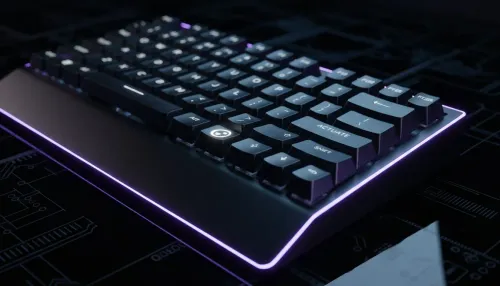
Custom actuation point keyboard setup guide: learn to set per-key actuation on your analog gaming keyboard for faster, precise inputs and better control 🎮⚙️
Read more
Cable management for home entertainment helps you eliminate cable clutter quickly and safely. Learn routing, concealment, and product picks to tidy your setup fast 📺🔌
Read more
conference room setup Microsoft Teams Zoom: Upgrade AV, camera, mic, and network to ensure seamless meetings, clear audio, and crisp video 🎯🔧
Read more
• Audit setup • Link accounts • Configure ViewBoard • Test workflows Integrate Google Workspace with ViewSonic ViewBoard to enable secure SSO, calendar and Drive sync, and smooth collaborative whiteboarding 🔗📋
Read more
Discover webcams that automatically adjust light and color for crystal-clear video calls 🎥✨. Boost your streaming quality today!
Read more
Discover webcams that blend into your workflow 🎯 Capture moments while you work, stream, or create. Upgrade your setup with smart, multitasking tech!
Read more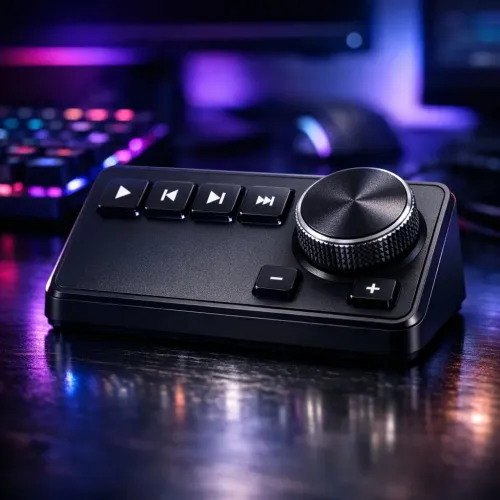
Dedicated media keys give streamers one-touch control to mute, switch scenes, clip highlights, and adjust audio — cutting task time and boosting consistency 🎛️⚡
Read more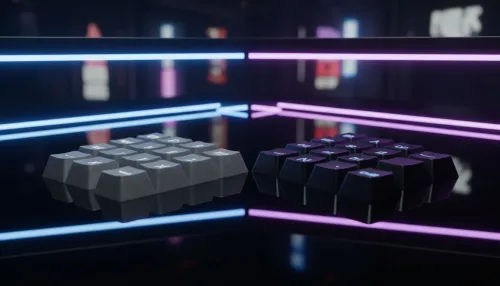
PBT vs ABS keycaps: Clear, local guide for South African gamers—compare feel, sound, durability and where to buy. Find the best material for your budget and playstyle 🎮🇿🇦
Read more
- Multi-Function Digital Dial: define benefits - Show gamer setups and macros - Offer buying and setup tips Multi-Function Digital Dial puts programmable control at your fingertips for faster actions and smoother streaming. 🎮⚙️
Read more
- Explain benefits; - Show the science; - Compare options; - Recommend picks. Magnetic wrist rest for gaming cuts wrist strain and boosts comfort during long sessions 🕹️✨
Read more