Quick Answer
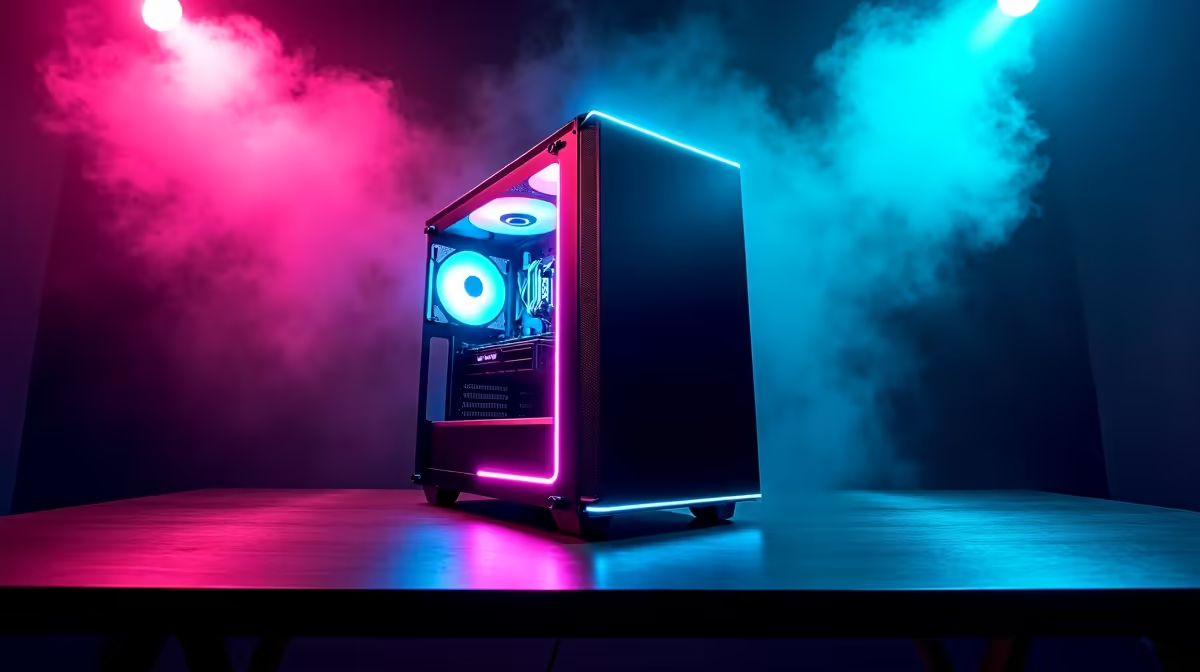
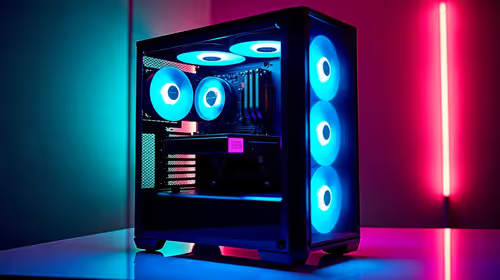
A Worcester strategy and sim build should focus on a fast CPU and 32GB RAM rather than a flagship GPU. A high-clock Ryzen 7 or Core i5, 32GB RAM, an RTX 4060, and a roomy 1440p monitor handle late-game complexity smoothly, with the tower around R18,000 to R24,000. A balanced CPU with strong single-thread speed suits the genre better than chasing raw core count alone. A fast NVMe SSD trims the loading that big strategy saves cause.
Processor Is The Engine
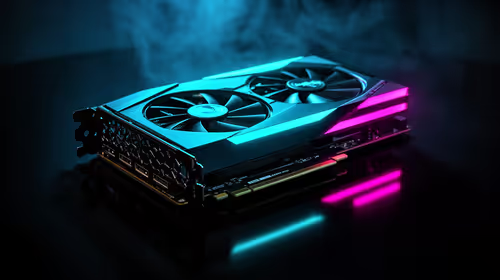
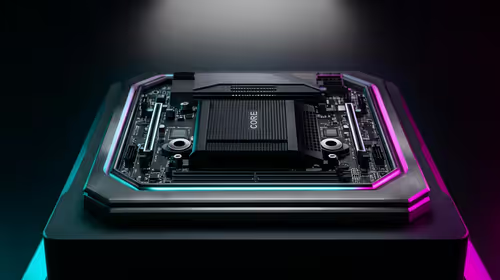
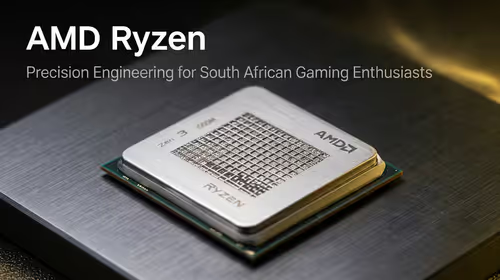
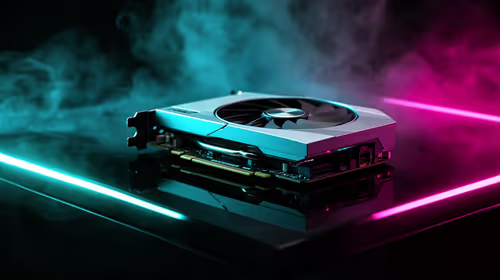
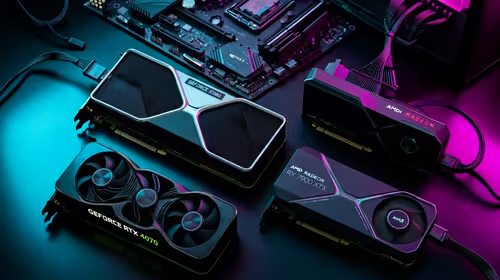
The simulation behind a strategy or management game runs on the CPU, calculating units, economies, and AI each turn or tick. Fast single-thread performance keeps those calculations quick and prevents the slow late-game turns that plague weaker processors. A mid-range RTX 4060 covers the genre's modest visuals at 1440p without strain.
Memory, Storage And Display
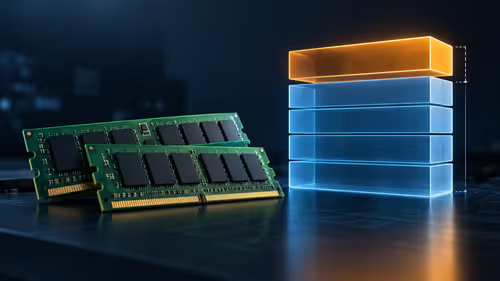
Big campaigns produce large saves and heavy simulations, so 32GB RAM keeps them responsive late into the game. A fast NVMe SSD trims the loading these saves cause. A 27-inch 1440p monitor gives ample space for dense interfaces and sprawling maps, making management easier and long sessions more comfortable on the eyes.
FAQ
What is the main bottleneck in strategy games?
The CPU, which handles the simulation logic. A faster-clocked processor relieves the late-game slowdown more effectively than upgrading the graphics card.
Will an RTX 4060 last for strategy gaming?
Yes, the genre's light visual demands mean a mid-range card stays comfortable for years at 1440p. Future-proofing is better spent on the CPU and RAM.
How many cores do I need for sim games?
Six cores is a comfortable baseline, but per-core speed matters most. A balanced CPU with strong single-thread performance suits the genre best.
Put the budget into CPU speed and memory.
Choose a high-clock processor with 32GB RAM, pair an RTX 4060 and a 1440p screen, and add a fast NVMe SSD before ordering your Worcester setup.