

Best AMD GPU Under R40000 in SA 2026
Top AMD GPU Under R40000 picks evaluated on performance, value & SA availability with current Rand pricing from Evetech.
Read moreWant a whisper-quiet setup? Learn how to build a silent gaming PC that still delivers top-tier FPS. 🤫 We cover acoustic cases, PWM fans, and smart airflow strategies to keep noise down and performance up. ⚡

Is your gaming rig so loud it sounds like a jet taking off during load shedding? You’re not alone. Many South African gamers accept high fan noise as the price for high performance. But what if you could have both? Building a silent gaming PC isn't about magic or expensive, niche parts. It’s about making smart, targeted choices that minimise noise without throttling your frame rates. Let's dive into how to build a silent gaming PC that whispers instead of roars.
Before buying a single component, it's crucial to understand the philosophy behind a silent build. The goal isn't absolute, soundproof silence—that's unrealistic. Instead, we aim to build a PC that's practically inaudible at idle and produces a low, unobtrusive hum under heavy gaming load.
This is achieved by focusing on two key principles:
Every part of your PC contributes to its overall sound profile. Here’s where to focus your budget and attention for the quietest possible experience.
Your PC case is your first line of defence against noise. While mesh-fronted cases are fantastic for airflow, they do little to block sound. For a silent gaming PC build, consider cases with:
It’s a common myth that liquid cooling is always quieter. An All-in-One (AIO) liquid cooler has pump noise and multiple radiator fans, which can add up. A large, high-quality air cooler with a single 120mm or 140mm fan running at a low speed can often be quieter and more reliable. The key is heatsink surface area—the bigger, the better.
Most modern motherboards let you customise fan curves in the BIOS. Instead of letting your fans scream at 100% the moment your CPU hits 60°C, set a gradual curve. Aim for fans to run at 30-40% speed for everyday tasks and only ramp up to 70-80% during intense gaming. This simple tweak is one of the most effective ways to silence your rig for free.
A cheap, inefficient Power Supply Unit (PSU) is a common source of noise. Inefficient PSUs generate more heat, forcing their built-in fan to spin faster and louder. An 80 Plus Bronze or Gold certified unit runs cooler and quieter.
Many modern PSUs also feature a "0 RPM" or fanless mode, where the fan doesn't spin at all under low to medium loads. When choosing, look for a high-quality, efficient model. A solid 80 Plus rated unit is a great starting point. For builders who want reliability from top-tier brands, exploring options from well-known brands like Corsair often provides peace of mind and excellent low-noise performance. Furthermore, opting for a semi-modular power supply not only helps with noise but also makes cable management easier, improving airflow and overall system temps.
Finally, don't forget the GPU—often the loudest component in a gaming PC. Choose a model with a robust, oversized cooler (often with three fans). This allows the card to dissipate heat more effectively, keeping fan speeds and noise levels down. Swapping out stock case fans for models designed specifically for quiet operation can also dramatically reduce the ambient hum of your machine. ✨
Ready to Build Your Silent Rig? A quiet PC makes for a more immersive gaming experience. Building a silent gaming PC is all about choosing the right parts from the start. Explore our huge range of PC components and find the perfect hardware to build the powerful, whisper-quiet machine you deserve.
Yes, sound dampening can restrict airflow. To build a silent gaming PC effectively, choose a case with baffled intakes or high-static pressure fans to balance thermals.
Look for PWM fans with magnetic levitation or fluid dynamic bearings. These offer the best balance of high airflow and low noise for a quiet PC setup.
Generally, yes. A high-quality AIO liquid cooler eliminates bulky heatsinks, but ensure the pump is silent. Some high-end air coolers are quieter than cheap pumps.
Use BIOS or software to set a custom fan curve. Keep fans at low RPMs during idle and ramp them up only when CPU or GPU temps hit 60°C+.
Absolutely. Replace stock fans, clean dust filters, add sound dampening foam, or upgrade to a quiet power supply with a zero-RPM mode.
No, unlike HDDs with spinning platters, SSDs are completely silent, making them essential components for any true silent gaming PC build.
Top AMD GPU Under R40000 picks evaluated on performance, value & SA availability with current Rand pricing from Evetech.
Read more
Top RTX 4090 Under R12000 () picks evaluated on performance, value & SA availability with current Rand pricing from Evetech.
Read more
Ryzen 5 5600X + B550 + RTX 4060 Build Under. Full parts list, Rand pricing & expected performance. Build confidently with SA-available components.
Read more
Ryzen 5 5600X + B550 + RTX 4060 Build Under. Full parts list, Rand pricing & expected performance. Build confidently with SA-available components.
Read more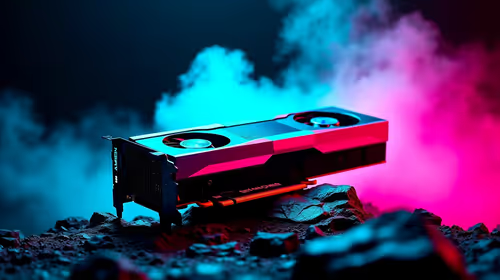
Top AMD GPU Under R25000 picks evaluated on performance, value & SA availability with current Rand pricing from Evetech.
Read more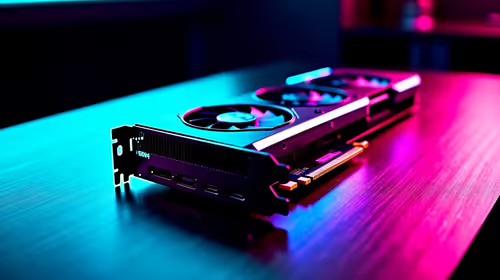
Top Crucial GPU Under R15000 picks evaluated on performance, value & SA availability with current Rand pricing from Evetech.
Read more
Snapdragon X2 NPU Explained: How 80 TOPS Changes. Plain-English explanation of what it means, why it matters & how it affects your buying decisions in SA.

HBM? High Bandwidth Memory Used in GPUs and AI. Plain-English explanation of what it means, why it matters & how it affects your buying decisions in SA.
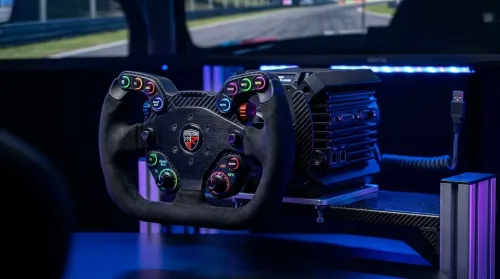
How much should you spend on sim racing accessories in South Africa for a realistic setup? We break down budgets by quality tiers, so you buy smart gear and avoid overspending 🎮💸

G-Sync and FreeSync? Variable Refresh Rate. Plain-English explanation of what it means, why it matters & how it affects your buying decisions in SA.

AMD Laptop: Value. SA-focused analysis with local pricing data, real-world insights & actionable buying advice.

How MacBook Neo Handles 30+ Chrome Tabs with Only. SA-focused analysis with local pricing data, real-world insights & actionable buying advice.

Why Apple Put 8GB RAM in MacBook Neo: The A18 Pro. SA-focused analysis with local pricing data, real-world insights & actionable buying advice.
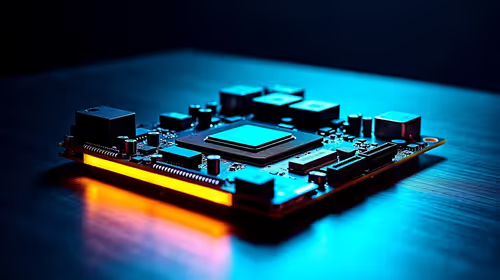
Upgrade your work laptop with a New Motherboard. Step-by-step instructions with SA-specific tips, common pitfalls to avoid & expert recommendations.
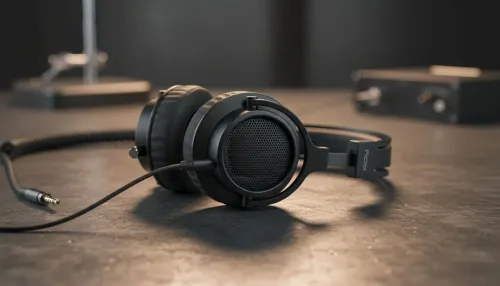
Maintain wired headset — Checklist: • inspect cables • clean earpads • store properly 🔧🎧 Practical steps to preserve sound quality and avoid premature replacements.

Fix crackling headset fast: step-by-step checks for cables, connectors, drivers, and settings to remove static or distorted audio on wired headsets 🎧⚙️
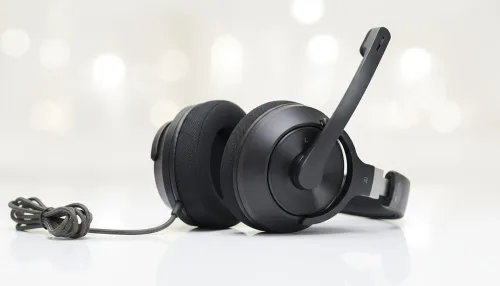
Stereo vs mono headsets: learn which delivers clearer calls, better spatial music, or simpler mono voice performance — pick the right headset for meetings, music, or gaming 🎧💬
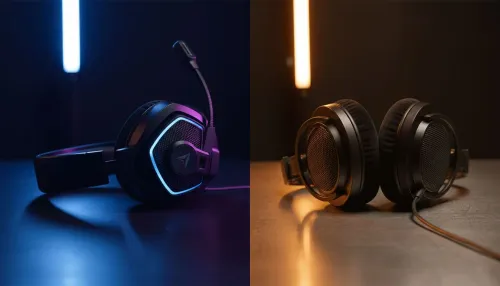
- Compare gaming headset vs studio headphones; - Assess comfort, mic and sound; - Recommend best daily picks. Gaming headset vs studio headphones: learn which suits work, music and casual gaming. 🎧⚖️