

Best AMD GPU Under R40000 in SA 2026
Top AMD GPU Under R40000 picks evaluated on performance, value & SA availability with current Rand pricing from Evetech.
Read moreUnlock true portability with handheld PC VR streaming. Learn how to turn devices like the ROG Ally or Legion Go into a wireless server for your VR headset. 🎮 Experience high-fidelity PCVR anywhere without a bulky desktop rig using 2025 tech. 🥽
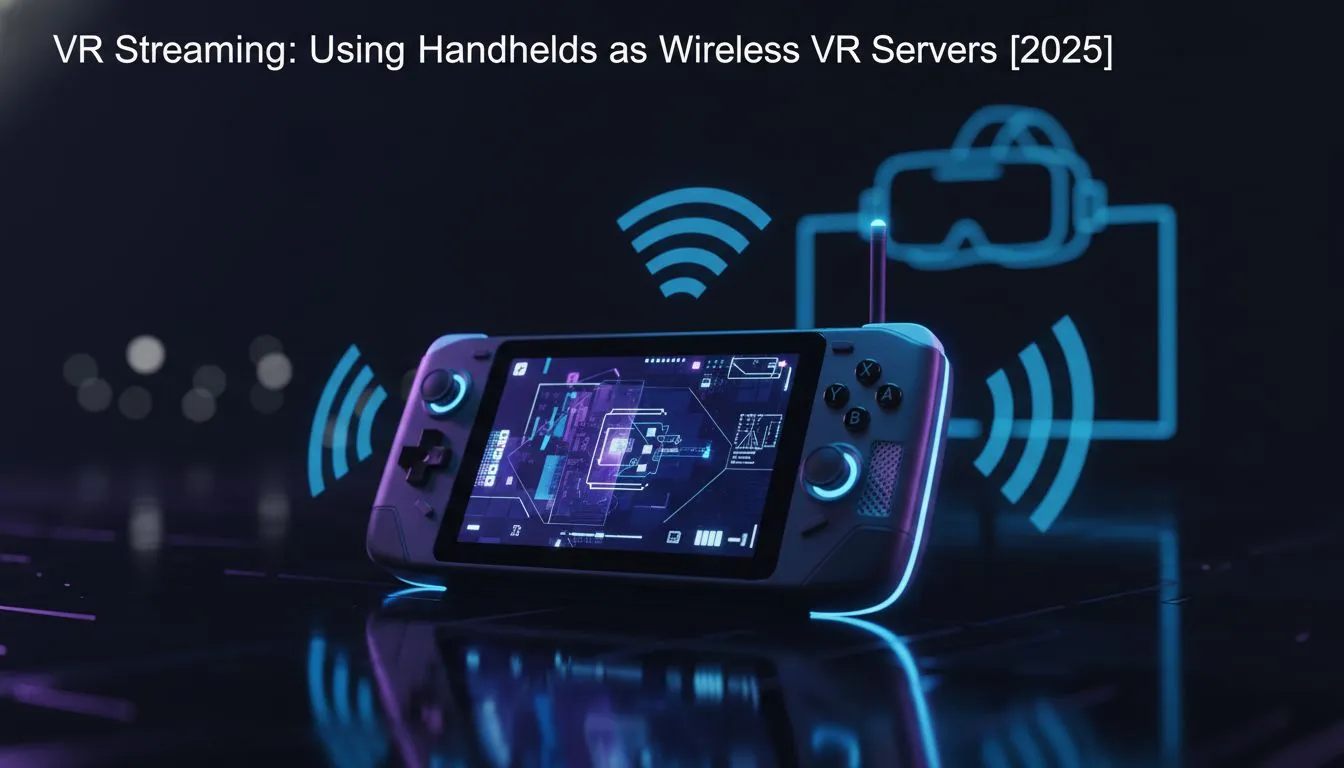
Remember when high-end VR meant tripping over thick cables connected to a massive tower PC? Those days are fading fast. South African gamers are discovering a wild new setup: using their portable handhelds to power wireless VR experiences. Whether you're in a compact Joburg flat or taking a break at the coast, your handheld isn't just for 2D gaming anymore... it’s becoming your pocket-sized VR server.
A few years ago, the idea of running PC VR off a battery-powered device was laughable. But the tech inside modern handheld gaming consoles has skyrocketed. Thanks to efficient APUs like the AMD Z1 Extreme, we finally have enough graphical grunt to push pixels to a standalone headset like the Quest 3 or Pico 4 without melting the chassis.
It works through streaming. Your handheld does the heavy lifting (rendering the game), encodes the video, and blasts it over Wi-Fi to your headset. It turns your portable device into a dedicated render server.
Not all handhelds are created equal when it comes to VR throughput. You need distinct power profiles and excellent thermal management to sustain VR rendering.
The ASUS ROG Ally is a popular choice here. Its dual-fan cooling system helps maintain the high clock speeds needed for consistent frame rates in titles like Beat Saber or Superhot VR. While you won't be running Half-Life: Alyx on Ultra settings, the experience on Medium is genuinely playable and shockingly immersive.
On the other side of the ring, the Lenovo Legion Go offers a distinct advantage for setup. Its larger screen makes configuring Virtual Desktop or Steam Link much easier before you put the headset on. Plus, the detachable controllers mean you can prop the screen up for better ventilation while it crunches the numbers.
While AMD dominates the space, Intel is making moves. The MSI Claw utilizes Intel's Core Ultra processors. With XeSS upscaling technology improving rapidly, the Claw is becoming a viable option for VR enthusiasts who want to experiment with different encoding codecs that Intel chips handle well.
VR streaming demands massive bandwidth. If you don't have a Wi-Fi 6E router, try creating a 5GHz mobile hotspot directly from your handheld's Windows settings. It reduces latency significantly by cutting out the middleman router... perfect for quick sessions when the internet is acting up.
To get this working smoothly, you need to temper your expectations and tweak your settings. Here is the Build Lab formula for success:
This setup proves that the line between "mobile" and "desktop" gaming is blurring. With the right tweaks, you can carry a full PC VR arcade in your backpack.
Ready to Build Your Portable Setup? Whether you need the raw power of the Z1 Extreme or the versatility of Intel's latest chips, we have the hardware to make it happen. Browse our full range of handheld gaming consoles and take your gaming reality anywhere.
Yes, powerful devices like the ROG Ally can handle handheld PC VR streaming via Wi-Fi 6E to headsets like the Meta Quest 3 with surprising stability.
The Lenovo Legion Go and ROG Ally X are top choices for a wireless VR server due to their Z1 Extreme chips, superior thermal management, and faster RAM.
Ideally, yes. A dedicated Wi-Fi 6E router or a high-quality hotspot connection is crucial to minimize latency in your portable VR rig setup.
Virtual Desktop optimizes video encoding on the handheld's APU to beam PCVR games wirelessly to your headset, often providing better performance than Air Link.
Windows-based handhelds generally perform better for VR streaming than the Steam Deck due to native driver compatibility and Game Pass integration.
You need at least 16GB LPDDR5 RAM, a Ryzen Z1 Extreme or Core Ultra processor, and Wi-Fi 6 support for a smooth wireless VR experience.
Top AMD GPU Under R40000 picks evaluated on performance, value & SA availability with current Rand pricing from Evetech.
Read more
Top RTX 4090 Under R12000 () picks evaluated on performance, value & SA availability with current Rand pricing from Evetech.
Read more
Ryzen 5 5600X + B550 + RTX 4060 Build Under. Full parts list, Rand pricing & expected performance. Build confidently with SA-available components.
Read more
Ryzen 5 5600X + B550 + RTX 4060 Build Under. Full parts list, Rand pricing & expected performance. Build confidently with SA-available components.
Read more
Top AMD GPU Under R25000 picks evaluated on performance, value & SA availability with current Rand pricing from Evetech.
Read more
Top Crucial GPU Under R15000 picks evaluated on performance, value & SA availability with current Rand pricing from Evetech.
Read more
Snapdragon X2 NPU Explained: How 80 TOPS Changes. Plain-English explanation of what it means, why it matters & how it affects your buying decisions in SA.

HBM? High Bandwidth Memory Used in GPUs and AI. Plain-English explanation of what it means, why it matters & how it affects your buying decisions in SA.
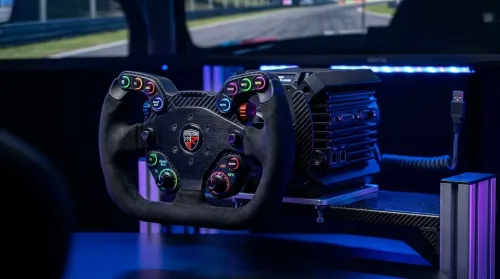
How much should you spend on sim racing accessories in South Africa for a realistic setup? We break down budgets by quality tiers, so you buy smart gear and avoid overspending 🎮💸

G-Sync and FreeSync? Variable Refresh Rate. Plain-English explanation of what it means, why it matters & how it affects your buying decisions in SA.

AMD Laptop: Value. SA-focused analysis with local pricing data, real-world insights & actionable buying advice.
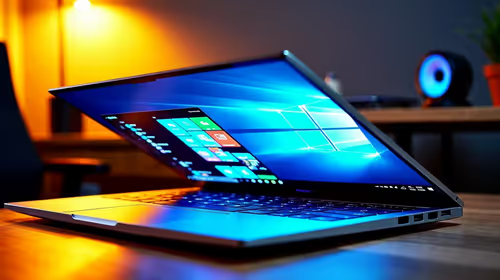
How MacBook Neo Handles 30+ Chrome Tabs with Only. SA-focused analysis with local pricing data, real-world insights & actionable buying advice.

Why Apple Put 8GB RAM in MacBook Neo: The A18 Pro. SA-focused analysis with local pricing data, real-world insights & actionable buying advice.
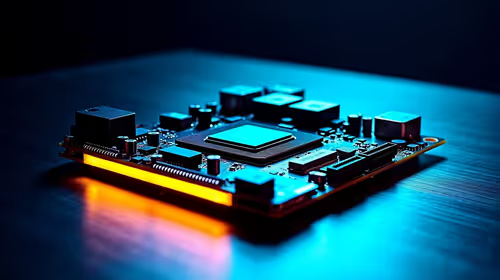
Upgrade your work laptop with a New Motherboard. Step-by-step instructions with SA-specific tips, common pitfalls to avoid & expert recommendations.
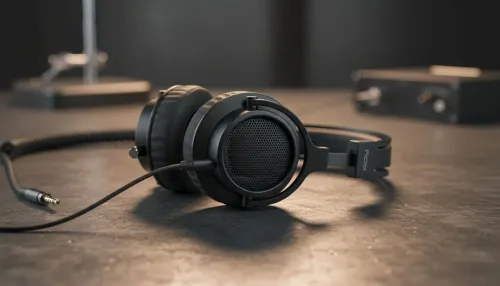
Maintain wired headset — Checklist: • inspect cables • clean earpads • store properly 🔧🎧 Practical steps to preserve sound quality and avoid premature replacements.
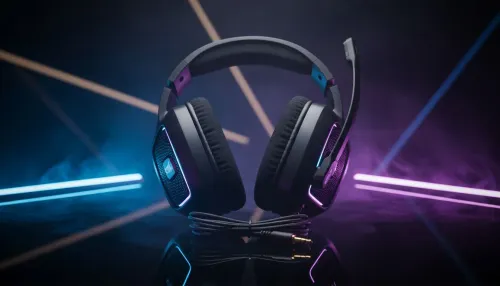
Fix crackling headset fast: step-by-step checks for cables, connectors, drivers, and settings to remove static or distorted audio on wired headsets 🎧⚙️
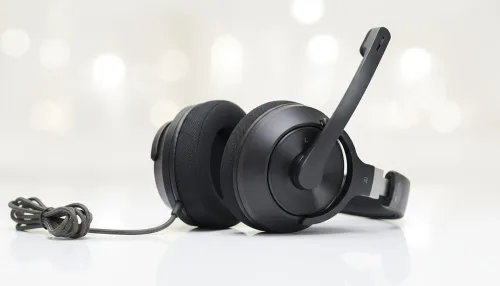
Stereo vs mono headsets: learn which delivers clearer calls, better spatial music, or simpler mono voice performance — pick the right headset for meetings, music, or gaming 🎧💬
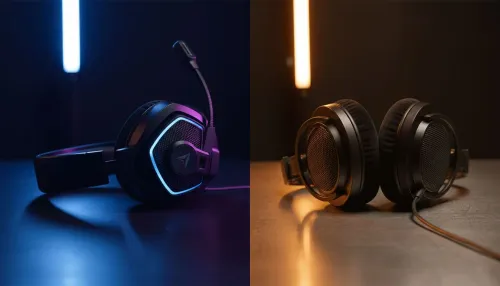
- Compare gaming headset vs studio headphones; - Assess comfort, mic and sound; - Recommend best daily picks. Gaming headset vs studio headphones: learn which suits work, music and casual gaming. 🎧⚖️