Is your gaming rig feeling a bit sluggish? Before you blame lag or drivers, take a peek inside its case. Dust is the silent performance killer for any PC in South Africa, clogging fans and choking components until they overheat. A good clean doesn't just look good; it can restore lost FPS and extend your hardware's life. This step-by-step guide shows you how to clean your gaming PC safely, getting you back to peak performance. 🔧
Why a Clean Gaming PC is a Faster Gaming PC
Think of dust as a thick winter blanket for your electronics. Your CPU and GPU generate a lot of heat, and their cooling systems… the fans and heatsinks… are designed to get rid of it. When they're covered in dust, they can't do their job.
This leads to thermal throttling, where your components intentionally slow down to avoid damage from overheating. The result? Stuttering gameplay, lower frame rates, and even unexpected shutdowns. Regular PC cleaning is the best preventative maintenance you can do to ensure smooth, reliable performance for years to come.
Gearing Up: Your PC Cleaning Toolkit
You don't need a high-tech lab to get this done. The right tools make cleaning your gaming PC simple and safe.
Here’s your essential shopping list:
- A can of compressed air: This is your primary weapon against dust. It dislodges particles from tight spaces without physical contact.
- Isopropyl alcohol (90%+): Perfect for cleaning thermal paste or stubborn grime off surfaces.
- Microfibre cloths: Soft, lint-free, and ideal for wiping down panels and large components.
- Cotton swabs: Great for getting into small nooks and crannies.
- An anti-static wrist strap (optional but recommended): This protects your sensitive components from static discharge.
What to avoid? A standard vacuum cleaner. The powerful suction and static buildup can permanently damage your motherboard or other parts. It's a risk not worth taking, even on one of our excellent budget gaming PCs where every component counts.
The Step-by-Step PC Cleaning Guide
Ready to get started? Find a well-lit, ventilated area (like a garage or balcony) to avoid blowing dust all over your room. Set aside about 30-60 minutes.
Step 1: Power Down and Prep
First things first: completely shut down your PC through the operating system. Don't just put it to sleep. Once it's off, switch off the power supply unit (PSU) using the switch on the back, and unplug the main power cable. Disconnect all your peripherals… USB devices, monitors, everything.
Step 2: Open the Case
Move your PC tower to your cleaning area. Most modern cases have a tempered glass or metal side panel held on by thumbscrews at the back. Unscrew them and carefully remove the panel to get access to the interior. This is the moment of truth! ✨
Many of the latest pre-built PC deals feature tool-free designs and easily removable dust filters, which makes this whole process much simpler.
Step 3: The Great Dust Blowout
This is the most satisfying part. Grab your can of compressed air.
- Dust Filters: Start by removing and cleaning your case's dust filters. A blast of air should clear most of it. For stubborn grime, you can rinse them with water, but make sure they are 100% dry before putting them back.
- Case Fans: Use short, controlled bursts of air to blow dust off the fan blades and out of the fan housing.
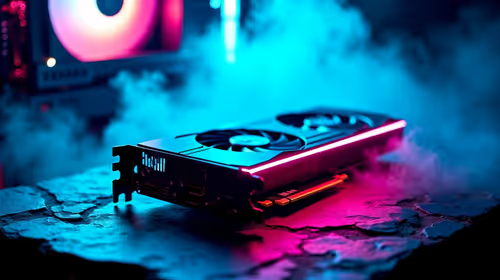
- Heatsinks: Aim the air into the fins of your CPU cooler and GPU heatsink to dislodge the dust trapped inside. You'll be amazed at what comes out.
Pro Tip: Fan Safety First! ⚡
When using compressed air on your fans (GPU, CPU, or case fans), gently hold the blades in place with a finger. Letting them spin freely from the high-pressure air can damage the fan bearings, leading to noise or complete failure down the line. A still fan is a safe fan!
Step 4: Detailing Your Components
With the bulk of the dust gone, it's time for the finer details. Use your cotton swabs and microfibre cloth (lightly dampened with isopropyl alcohol if needed) for the finishing touches.
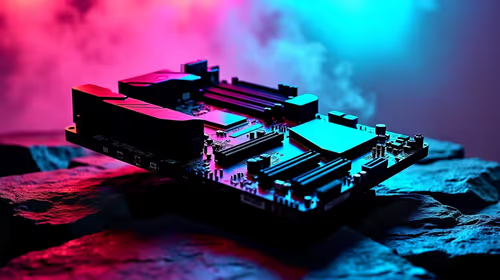
Wipe down the top of your graphics card shroud, the surface of your RAM sticks, and any flat areas on the motherboard. This level of care is crucial for maintaining the performance of a great value system, like the ones you find in our selection of PCs under R20k.
When Dust Isn't the Only Problem
You've finished your PC cleaning, and your rig looks brand new. But what if it's still not hitting the frame rates it used to? Sometimes, age is a factor that no amount of cleaning can fix. If your components are several generations old, they may simply lack the power for modern games.
This is when you might consider an upgrade. A new GPU or CPU can breathe new life into an aging machine. Or, if you're ready for a complete overhaul, exploring the best gaming PC deals is a great place to start. For those who want to leap into the high-end with zero compromises, our range of powerful gaming PCs above R20k offers top-tier performance that will dominate for years to come. 🚀
Is It Time for a Fresh Start?
A clean PC is a happy PC, but if your rig is still struggling to keep up with the latest titles, it might be time for an upgrade. From powerful new components to fully-built systems, we've got the hardware to get you back in the game. Explore our massive range of custom-built PCs and build your next champion.