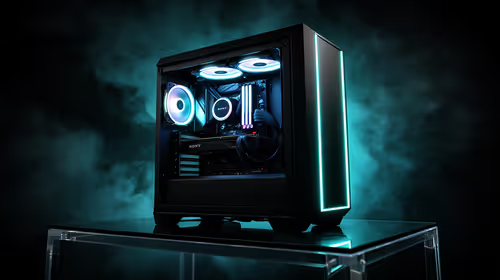
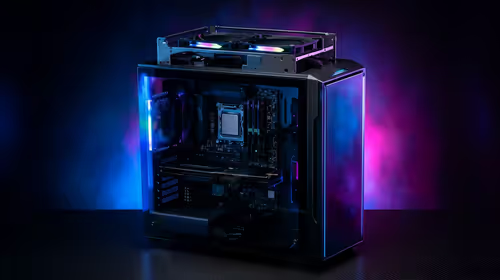
That pristine, all-white PC build with a crystal-clear tempered glass side panel… it’s the centrepiece of your setup. But after a few weeks, fingerprints, dust, and smudges appear, turning your masterpiece into a mess. Don’t panic. Learning how to clean white tempered glass PC cases safely is easier than you think, and it’s crucial for keeping your rig looking and running cool. Let’s get that showroom shine back. ✨
Gathering Your Cleaning Arsenal
Before you touch that glass, let's get the right tools. Using the wrong stuff can lead to scratches, streaks, or even permanent damage to your case's finish. Forget the kitchen counter sprays and paper towels… this is what the pros use.
Here’s your simple, safe toolkit:
- Two or three high-quality microfibre cloths: One for dusting, one for cleaning, and one for a final polish. They trap dust without scratching.
- Isopropyl alcohol (70% or higher): Perfect for cutting through greasy fingerprints without leaving residue. You can find this at most pharmacies.
- Compressed air or an electric duster: Essential for blasting dust out of tight spots without direct contact.
- A soft-bristle brush: Think of a new, clean paintbrush or makeup brush for dislodging stubborn dust from fan grills and corners.
Never use abrasive cleaners, window sprays containing ammonia (like Windex), or paper towels. These are the sworn enemies of tempered glass and pristine white finishes.
The Safe Step-by-Step Cleaning Process
With your tools ready, it’s time to get down to business. We’ll break down how to clean your white tempered glass PC case into a few simple, safe steps. Patience is key here… don’t rush it.
Step 1: Power Down and Prep
This is non-negotiable. Completely shut down your PC. Switch off the power supply unit (PSU) at the back, and then unplug it from the wall. Move your case to a well-lit, clear area where you have space to work. Lay down a soft towel to place your glass panel on later.
Step 2: Cleaning the Tempered Glass Panel
Carefully unscrew and remove the tempered glass side panel. Handle it by the edges to avoid adding more fingerprints. Place it flat on the soft towel you prepared earlier.
- Dry Wipe: First, use a clean, dry microfibre cloth to gently wipe away all the loose dust from both sides of the panel.
- Damp Wipe: Lightly dampen a different microfibre cloth with a small amount of isopropyl alcohol. Never spray directly onto the glass. Gently wipe down the panel in straight lines to tackle smudges and fingerprints.
- Final Polish: Use your third, completely dry cloth to buff the glass, removing any final streaks for a crystal-clear finish.
Don't Forget the Inside! 🔧
The inside surface of your glass panel collects a fine layer of dust from your internal fans. It's often invisible until you power on your RGBs and see a hazy glow. Always clean both sides of the panel for that truly transparent, fresh-out-the-box look.
Step 3: Tackling the White Case Exterior
White cases show every single mark, so a gentle approach is vital to avoid scuffs or yellowing the finish. For most dust, a dry microfibre cloth is all you need. For tougher spots, use the same isopropyl alcohol method as the glass: apply it to the cloth first, not the case.
Many modern computer cases use different materials and finishes, from matte to high-gloss. This gentle method is safe for all of them.
Beyond the Glass: Essential Interior Dusting
A clean window means nothing if the view inside is a dust storm. While the panel is off, give your interior a quick once-over.
Use your compressed air or electric duster to blow dust out of your fan blades, GPU, CPU cooler, and especially your dust filters. Many excellent cases from brands like Cooler Master and TRYX Gaming Cases feature easily removable filters. A clean filter is your number one defence against internal dust build-up, ensuring optimal airflow and lower temps. A pristine white chassis like the Cooler Master E301 Mini Tower Case absolutely deserves a dust-free interior to show off its components.
Whether you're rocking a minimalist build or a full RGB setup from brands like Gamemax, keeping the inside clean is just as important as the outside. 🚀
Maintaining That Showroom Shine
Now that you've perfectly cleaned your white tempered glass PC case, keeping it that way is simple.
- Wipe it down weekly: A quick 60-second wipe with a dry microfibre cloth prevents dust from settling.
- Check filters monthly: Clean your dust filters once a month to maintain great airflow.
- Position matters: Try to keep your PC off the floor and away from open windows to reduce dust intake.
By following these simple steps, you can safely keep your rig looking as good as the day you built it.
Ready for a Fresh Start?
Keeping your rig clean is one thing, but maybe it's time for an upgrade. A new case can completely transform your setup's look and cooling performance. Explore our massive range of PC cases and find the perfect chassis for your next build.