Thinking about your next PC build? It’s tempting to wait for the next big thing, but the constant flood of new tech can be overwhelming. Just when you’ve figured out your parts list, a new standard appears on the horizon. Enter the LGA 1851 CPU socket—Intel's next-generation platform. Before you spend a single Rand on a new motherboard, here’s what every South African PC builder needs to know about this upcoming hardware shift. 🚀
Understanding the LGA 1851 CPU Socket
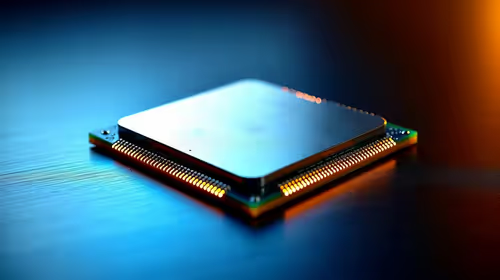
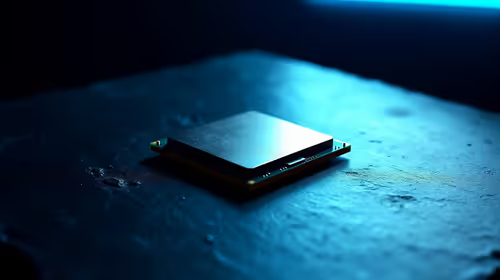
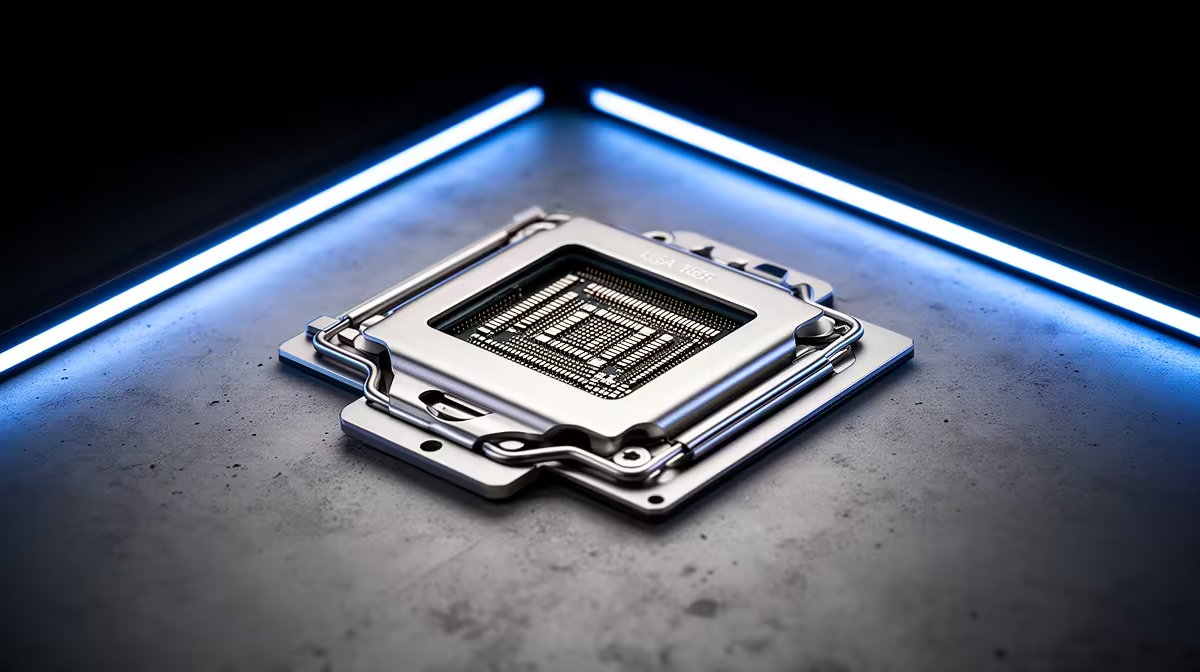
So, what exactly is the LGA 1851 CPU socket? In simple terms, the socket is the physical connector on a motherboard where your processor (CPU) clicks into place. It’s a crucial component that ensures the CPU can communicate with the rest of your system.
LGA 1851 is set to replace the current LGA 1700 socket, which powers Intel's 12th, 13th, and 14th Gen Core processors. This new socket is designed specifically for Intel’s future Arrow Lake and Meteor Lake-PS processors. The name itself gives a clue to the upgrade: "LGA" stands for Land Grid Array, and "1851" refers to the number of contact pins—a significant jump from the 1700 pins on its predecessor.
Key Features of LGA 1851 for Your Next Build
This isn't just a minor update; the LGA 1851 socket brings fundamental improvements that will define high-performance PCs for years to come.
More Power, More Possibilities
The increase from 1700 to 1851 pins isn't just for show. These extra connections allow for improved power delivery to the CPU and expanded I/O (Input/Output) capabilities. This means more bandwidth for things like next-generation graphics cards, ultra-fast NVMe SSDs, and future connectivity standards. Think more dedicated PCIe 5.0 lanes straight from the CPU, which is fantastic news for gamers and content creators who demand zero bottlenecks.
Built for a DDR5 and PCIe 5.0 World
While LGA 1700 introduced DDR5 and PCIe 5.0, LGA 1851 is designed to make them the default standard. This platform will exclusively support DDR5 memory, leaving older DDR4 behind. For builders, this means faster RAM speeds and better overall system responsiveness are baked in from the start. This focus ensures that any PC built on an LGA 1851 motherboard is truly future-proof.
Cooler Compatibility Check 🔧
Good news! Reports suggest that the LGA 1851 socket will maintain the same 78x78mm mounting dimensions as LGA 1700. This means your existing high-end air or AIO cooler should physically fit. However, the processor's height (Z-height) might change slightly, potentially requiring a new mounting kit from the cooler manufacturer for optimal contact pressure. Always check before you build!
Should You Wait for the LGA 1851 Socket?
This is the big question every PC builder in South Africa is asking. Should you hold off on your upgrade? The answer depends on your needs. 🤔
The LGA 1851 CPU socket and its accompanying processors are expected to launch in late 2024. If your current rig is struggling and you need an upgrade now, waiting might not be practical. Today’s technology is incredibly powerful. The current generation of Intel motherboards offers fantastic performance for gaming and productivity, delivering a top-tier experience without the "early adopter" price tag.
Furthermore, the competition is fierce. The latest platforms from AMD motherboards also provide excellent performance and a clear upgrade path, giving you plenty of powerful options available today.
Ultimately, building a PC is about getting the best performance for your budget at the right time. While LGA 1851 is exciting, there's a huge selection of powerful and affordable motherboards right now that can handle any game or application you throw at them. Waiting means missing out on incredible performance that's available today.
Ready to Build Your Next Rig? While the LGA 1851 socket is on the horizon, today's motherboards offer incredible power and value. Whether you're Team Blue or Team Red, the perfect foundation for your dream PC is waiting. Explore our massive range of motherboards and start your build today.