


Clean Gaming Keyboard: Guide for Dusty & Humid Conditions
Clean gaming keyboard quickly and safely in dusty or humid conditions with step-by-step tips, tool checklist, and maintenance routines to prevent corrosion and switch failure. 🧼💨
Read moreModular power supply options shape how clean your PC build can be. This guide compares fully and semi-modular PSUs, shows cable management pros and cons, and gives practical tips to tidy your rig 🔌✨

Building a new PC in South Africa? Awesome. But let's be honest, nothing kills the vibe of a fresh build faster than a chaotic mess of cables. That "rat's nest" doesn't just look sloppy; it can choke your airflow and make future upgrades a nightmare. This is where a modular power supply comes in, turning cable chaos into clean, organised brilliance. It's the secret to a professional-looking rig that runs cooler and is a joy to work on. 🔧
At its core, a modular power supply (PSU) is one that lets you detach the cables you don't need. Unlike traditional non-modular units where every single cable is permanently attached, a modular design gives you control. You only plug in the cables required for your specific components—your motherboard, GPU, and drives.
This simple difference has a massive impact. Fewer cables mean more open space inside your case, leading to better airflow and lower temperatures. It also makes the building process significantly easier, especially in tight spaces. If you're tired of stuffing unused cables into drive bays, exploring the range of power supply units available is your next logical step.
The term "modular PSU" isn't a one-size-fits-all label. The real choice for most builders comes down to two distinct types: fully modular and semi-modular. Each has its own pros and cons, especially when it comes to cable management.
A fully modular power supply means every single cable is detachable, including the essential 24-pin motherboard and 8-pin CPU power connectors. This offers the absolute peak of customisation and cleanliness.
A semi-modular power supply offers a brilliant compromise. The essential cables—the 24-pin motherboard and 8-pin CPU power—are permanently attached. All the other cables for your graphics card, SSDs, and peripherals are modular.
Always look for the 80 Plus rating (Bronze, Silver, Gold, Platinum, Titanium) when choosing a PSU. A higher rating means the power supply is more efficient at converting AC power from your wall to DC power for your components. An 80 Plus Gold PSU, for example, wastes less energy as heat, saving you money on your electricity bill and often running quieter.
So, how do you choose? The decision boils down to your build, budget, and personal preference.
Remember to also choose the right wattage for your components. A powerful graphics card needs a robust power supply to run stably. For most high-end gaming rigs, a quality 850 Watt power supply provides a comfortable amount of headroom for current and future components. Ultimately, a good modular power supply is an investment in your PC's health, aesthetics, and your own sanity. 🚀
Ready to Tame Your Cables? Whether you choose the ultimate control of a fully modular PSU or the practical value of a semi-modular one, upgrading is one of the best ways to improve your PC's airflow and aesthetics. Explore our massive range of modular power supplies and find the perfect unit to power your rig.
Yes. Fully modular power supplies let you attach only the cables you need, reducing clutter and improving airflow for cleaner cable management.
You can. Semi-modular PSUs keep essential cables fixed but still let you remove many extras, offering a balance of cost and tidy cable routing.
They often cost more, but prices vary. You pay for flexibility and easier cable management, which can justify the upgrade for neat builds.
Fully modular units usually improve airflow most because you remove unused cables, reducing obstructions and heat pockets inside the case.
Label cables, route through grommets, use zip ties or Velcro straps, and hide excess lengths behind the motherboard tray for a clean finish.
If budget is tight, semi-modular offers good value. For future-proofing and best cable management, a fully modular power supply is worth considering.
Pick a fully modular, shorter-depth PSU with detachable cables and flat or sleeved cables to maximize routing space in small cases.
Clean gaming keyboard quickly and safely in dusty or humid conditions with step-by-step tips, tool checklist, and maintenance routines to prevent corrosion and switch failure. 🧼💨
Read more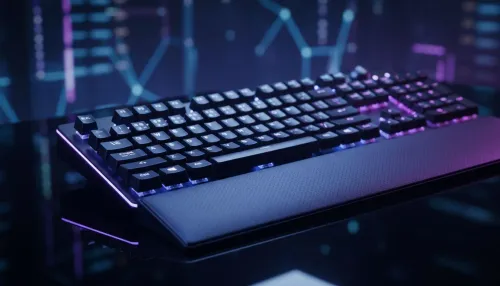
Best gaming keyboard features to prioritize when building a high-end setup: mechanical switches, low latency, hot-swap, RGB, macros, durability and ergonomics 🎮⌨️
Read more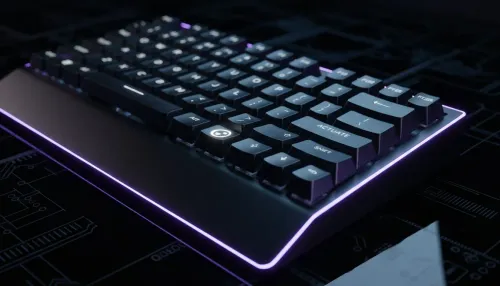
Custom actuation point keyboard setup guide: learn to set per-key actuation on your analog gaming keyboard for faster, precise inputs and better control 🎮⚙️
Read more
Cable management for home entertainment helps you eliminate cable clutter quickly and safely. Learn routing, concealment, and product picks to tidy your setup fast 📺🔌
Read more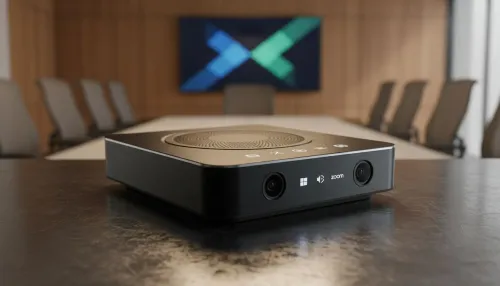
conference room setup Microsoft Teams Zoom: Upgrade AV, camera, mic, and network to ensure seamless meetings, clear audio, and crisp video 🎯🔧
Read more
• Audit setup • Link accounts • Configure ViewBoard • Test workflows Integrate Google Workspace with ViewSonic ViewBoard to enable secure SSO, calendar and Drive sync, and smooth collaborative whiteboarding 🔗📋
Read more
Discover webcams that automatically adjust light and color for crystal-clear video calls 🎥✨. Boost your streaming quality today!

Discover webcams that blend into your workflow 🎯 Capture moments while you work, stream, or create. Upgrade your setup with smart, multitasking tech!
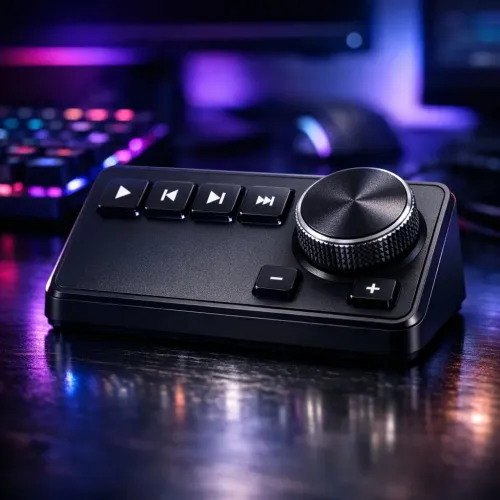
Dedicated media keys give streamers one-touch control to mute, switch scenes, clip highlights, and adjust audio — cutting task time and boosting consistency 🎛️⚡
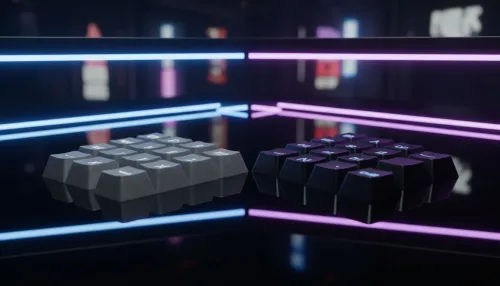
PBT vs ABS keycaps: Clear, local guide for South African gamers—compare feel, sound, durability and where to buy. Find the best material for your budget and playstyle 🎮🇿🇦

- Multi-Function Digital Dial: define benefits - Show gamer setups and macros - Offer buying and setup tips Multi-Function Digital Dial puts programmable control at your fingertips for faster actions and smoother streaming. 🎮⚙️
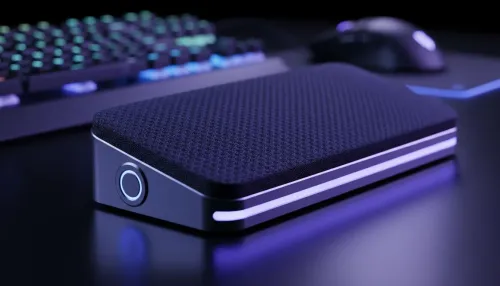
- Explain benefits; - Show the science; - Compare options; - Recommend picks. Magnetic wrist rest for gaming cuts wrist strain and boosts comfort during long sessions 🕹️✨