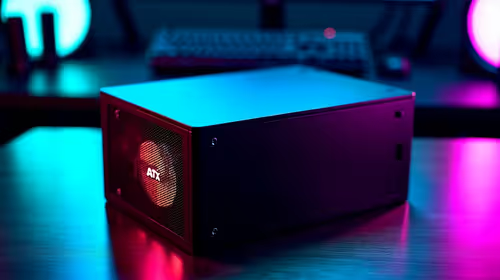
Love your sleek, compact PC build but hate how it becomes a dust magnet? Small form factor (SFF) cases look amazing on a desk in Cape Town, but their tight spaces can quickly choke on dust, killing performance and raising temps. Don't stress... we've got you covered. Learning how to reduce dust in your small PC case is easier than you think with a few smart tricks. Let's get your rig breathing clean air again. ✨
Master Your Airflow: The Key to Reducing Dust
The single most effective way to combat dust is by controlling your PC's air pressure. Think of it like this: your case can either suck air in from every little gap (negative pressure) or gently push air out of them (positive pressure). To reduce dust in a small PC case, you want positive pressure.
This setup forces air out through unfiltered cracks and crevices, preventing dust from getting sucked in. How do you achieve it? It's simple: ensure you have slightly more air coming in through your intake fans than going out through your exhaust fans. This creates a pressurised environment where you control exactly where the air (and dust) enters… ideally, through a filter.
Positive vs. Negative Pressure Explained
- Positive Pressure: More intake fan power than exhaust. Air is pushed out of unfiltered gaps. This is the goal for a dust-resistant PC.
- Negative Pressure: More exhaust fan power than intake. Air is sucked in through every available opening, bringing dust with it. Avoid this!
A balanced airflow is fundamental for keeping your compact case dust-free. It not only minimises dust but also ensures your components get the cool air they need to perform at their peak.
Strategic Fan Placement and Filters 🔧
Creating positive pressure starts with smart fan placement. For most SFF builds, the best strategy is to use the front and bottom panels for intake fans and the top and rear panels for exhaust. This works with natural convection, as hot air rises.
Crucially, every single intake fan must have a dust filter. Without filters, you're just funnelling dust directly onto your precious components. Many modern chassis are designed with this in mind; a well-designed case like the Cooler Master E301 Mini Tower often includes easily accessible filters that make maintenance a breeze. When choosing fans, look for static pressure (SP) optimised models for intakes, as they are better at pulling air through the resistance of a filter.
Filter Cleaning Pro Tip 💨
Make it a habit to clean your PC's dust filters every 2-4 weeks, depending on your environment. Use a soft brush or a vacuum cleaner on a low setting. For stubborn grime, most mesh filters can be gently washed with water and a bit of dish soap. Just make sure they are 100% dry before putting them back!
Beyond the Build: Maintenance Habits for a Dust-Free PC
Even the best setup needs a little upkeep. To maintain a dust-free small PC, consistency is key.
- Elevate Your PC: The floor is a dust hotspot. Place your PC case on your desk or a small stand to significantly reduce the amount of dust and hair it inhales.
- Regular Cleaning: Every couple of months, give the inside of your PC a proper clean. Use a can of compressed air to blow dust out of heatsinks, fans, and tight corners. Always do this in a well-ventilated area, preferably outdoors.
- Cable Management: Tidy cables do more than just look good. They improve airflow, making it harder for dust to settle and easier for your fans to do their job efficiently. This is especially important for preventing dust buildup in an SFF build where space is at a premium.
Choosing the Right Case Makes All the Difference
Ultimately, the battle against dust begins with your choice of chassis. A case with high-quality, easily removable dust filters on all its intakes is your best friend. Look for designs that prioritise smart airflow paths. That's why Cooler Master's range of cases often focuses heavily on combining aesthetics with practical, dust-fighting features.
You don't need to break the bank to get great results. You'll find excellent dust-fighting features in options from brands like Gamemax as well, proving that a clean PC is accessible at any budget. Before you commit to your next build, it's worth browsing our full selection of computer cases to find one with the best layout and filtering to meet your needs and keep your rig running cool and clean for years to come.
Ready to Build a Cleaner, Cooler PC? Fighting dust starts with the right foundation. A well-designed case with smart airflow and quality filters makes all the difference. Explore our massive range of PC cases and find the perfect chassis to keep your components cool and clean.