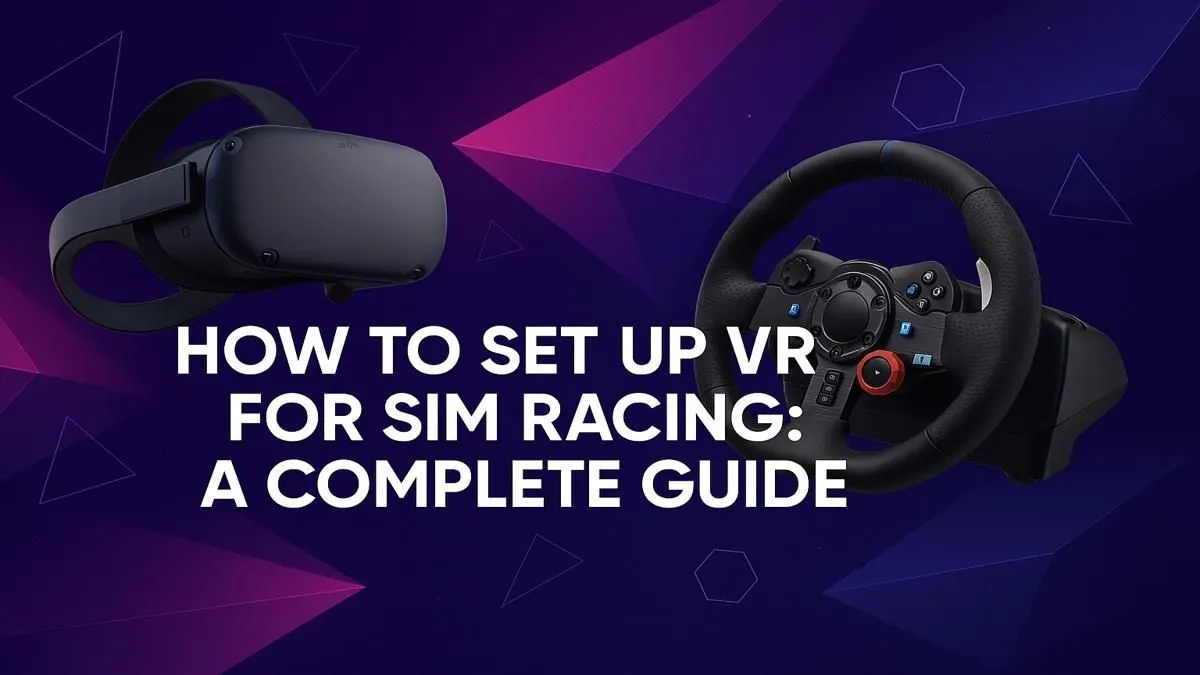
Tired of watching the race on a flat screen? Imagine this: you’re strapped in, engine roaring, feeling every kerb as you dive into the apex at Kyalami. This isn't a dream… it's what a proper VR for sim racing setup delivers. It’s the closest you can get to the real thing without a fire suit and a pit crew. This guide will walk you through building the ultimate immersion machine, step-by-step. 🚀
Why a VR Sim Racing Setup is the Ultimate Upgrade
Monitors are great, but they can't compete with the sheer immersion of virtual reality. With a VR headset, you get true depth perception, letting you nail braking points and spot overtaking opportunities with pinpoint accuracy. Your head movement is tracked 1:1, so you can naturally glance at your mirrors or look into a corner just as you would in a real car. It’s a total sensory overhaul that transforms a game into an experience.
Step 1: The Foundation – A VR-Ready PC
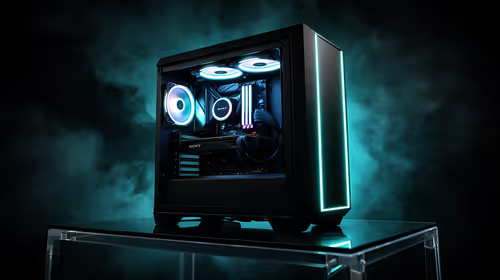
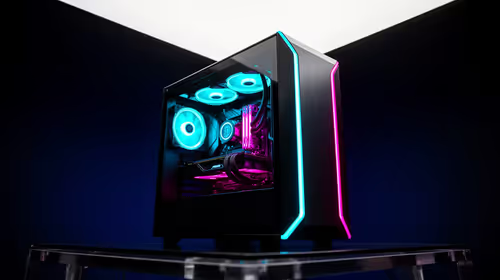
Before you even think about a steering wheel, you need a PC that can handle the intense demands of VR. In sim racing, a smooth, consistent frame rate isn't just a nice-to-have; it's essential for avoiding motion sickness and maintaining immersion.
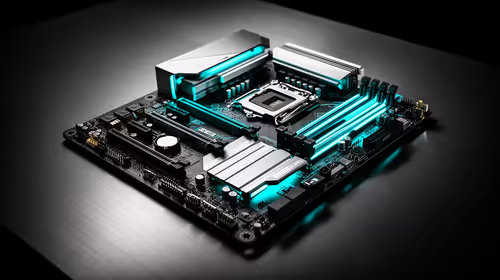
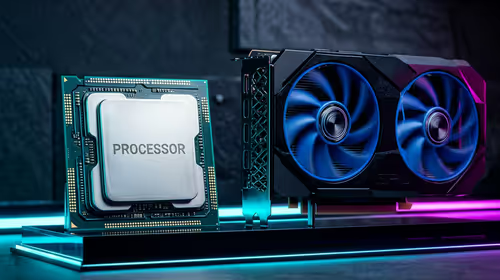
Your Graphics Card (GPU) is the hero here. A powerful GPU from NVIDIA's RTX 40-series or AMD's RX 7000-series is your best bet for hitting the stable 90 frames per second (FPS) that most VR headsets require. Paired with a capable CPU, you'll have the power to render detailed tracks and multiple cars without a single stutter. Building a solid foundation is the most critical part of any VR for sim racing setup, ensuring your virtual track days are flawless. If you're starting from scratch, exploring complete sim racing bundles and powerful PCs can give you a perfectly balanced starting point.
Step 2: Choosing Your Core Sim Racing Gear
With the PC sorted, it’s time for the fun stuff—the gear that connects you directly to the virtual tarmac.
The Wheel and Pedals
A quality force-feedback wheel is non-negotiable. This is what lets you feel the car's grip, the texture of the road, and the snap of oversteer. Direct drive wheels offer the most realistic feedback, but even high-quality belt-driven options provide an incredible experience. For a reliable and immersive feel, exploring options from a trusted brand like Thrustmaster offers incredible force feedback that translates every bump and slide directly to your hands.
The Cockpit and Seat
You can't mount a powerful steering wheel to a wobbly desk. A dedicated sim rig provides the stability you need for consistent performance and comfort during long races. It ensures your pedals don't slide away under heavy braking and keeps your seating position optimal. For sim racers who demand stability, a dedicated cockpit from a brand like Playseat provides the rock-solid foundation you need to race with confidence. ✨
The VR Headset
The centrepiece of your setup! When choosing a headset, focus on these key specs:
- Resolution: Higher resolution means a clearer, sharper image with less "screen door effect."
- Refresh Rate: Aim for 90Hz or higher for a smooth, nausea-free experience.
- Field of View (FOV): A wider FOV increases your peripheral vision, boosting immersion.
- Comfort: You'll be wearing it for a while, so make sure it's light and well-balanced.
Step 3: Setup, Configuration, and Optimisation 🔧
Once you have all your hardware, it's time to put it all together.
- Assemble Your Rig: Build your cockpit and securely mount your wheel, pedals, and shifter.
- Connect Your PC: Plug in all your sim gear and your VR headset. Install the necessary drivers and software (like SteamVR or the Oculus app).
- Calibrate: Go through the calibration process for your wheel and pedals in both Windows and your chosen racing simulation (e.g., Assetto Corsa Competizione, iRacing).
- Optimise: This is the most important step for a smooth VR experience.
VR Performance Pro Tip ⚡
In your sim's graphics settings, prioritise frame rate over visual fluff. Turn down demanding settings like shadows, reflections, and crowd density first. Your goal is a locked 90 FPS (or whatever your headset's refresh rate is). A smooth experience with medium settings feels infinitely better in VR than a stuttery one on ultra.
Is a VR for Sim Racing Setup Worth It?
Absolutely. While the initial investment can be significant, the level of immersion and realism is unmatched. It fundamentally changes how you interact with the simulation, improving your consistency, race craft, and overall enjoyment. A well-optimised VR for sim racing setup isn't just a gaming system; it's your personal portal to the world's greatest race tracks.
Ready to Build Your Dream Rig?
A truly immersive VR sim racing setup brings the track to you. From powerful PCs to responsive wheels and stable cockpits, we've got everything you need to start your journey. Explore our huge range of sim racing gear and find the perfect components to build your ultimate racing simulator today.