

Black Myth: Wukong 2 Ultrawide Support: 21:9 and 32:9 Setup Guide
Black Myth: Wukong 2 Ultrawide Support: 21:9 and. Clear setup instructions with SA-specific considerations, troubleshooting tips & recommended components.
Read moreAMOLED vs LCD smartwatch: -Compare battery, brightness, and color; -Explain pros and cons for buyers; -Provide buying tips and use-cases; -Recommend displays by need 🔍⌚
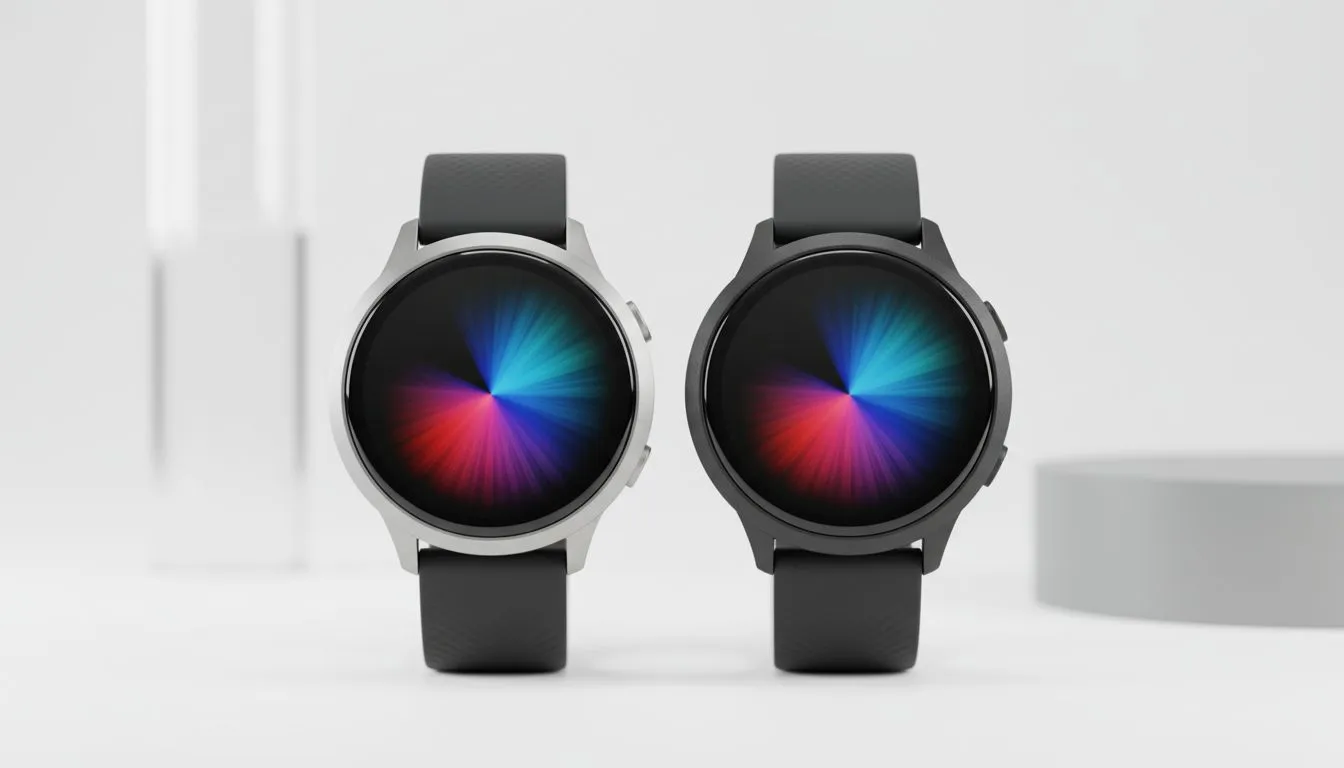
Squinting at your wrist under the harsh Highveld sun is a vibe nobody wants. When picking your next wearable, the AMOLED vs LCD smartwatch displays debate is more than just tech jargon... it determines if you can actually see your notifications during a midday braai. Getting the right screen ensures your tech keeps up with your lifestyle without dying before dinner. ✨
AMOLED (Active Matrix Organic Light Emitting Diode) technology is often the go-to for premium devices. Unlike traditional screens, each pixel in an AMOLED panel produces its own light. When the screen needs to show black, those pixels simply turn off. This results in "true blacks" and an incredible contrast ratio that makes colours pop.
For South Africans dealing with frequent power cuts, battery efficiency is king. Because those black pixels are off, they consume zero power. This is why many high-end smart watches feature an "Always-On Display" (AOD) without nuking the battery life. It allows you to check the time at a glance while keeping the rest of the display dark and efficient. ⚡
While AMOLED gets all the hype, LCD (Liquid Crystal Display) and its superior cousin, IPS (In-Plane Switching), remain incredibly relevant. These screens use a dedicated backlight that sits behind the pixel layer. This usually means the entire screen stays lit, even when displaying black, which can lead to a slight greyish tint in dark rooms.
However, LCDs are often more cost-effective and offer excellent colour accuracy. If you are looking for durability and consistent performance without breaking the bank, Promate smart watches often utilise high-quality display tech that balances brightness and power consumption perfectly for daily use. They are rugged, reliable, and get the job done during your morning commute or gym session.
To save battery on any smartwatch, manually set your brightness to 'Auto' or keep it at around 60%. Most modern displays are bright enough that you won't need 100% unless you are standing directly in the midday sun. This small change can often add several hours to your total runtime between charges.
Choosing between AMOLED vs LCD smartwatch displays often comes down to your budget and how you use your gear. If you spend your weekends hiking or outdoors, the high peak brightness of AMOLED might be worth the extra ZAR. If you want a reliable companion for steps and notifications, a well-optimised LCD can be just as effective.
For those keeping an eye on their wallet, you can find excellent smart watches between R800 and R1000 that offer crisp visuals and essential health tracking. At this price point, you are getting great value for money without sacrificing the features that matter most... like sleep tracking and heart rate monitoring. 🔧
Ultimately, the best display is the one that stays readable when you need it most. AMOLED offers the deepest blacks and best power savings for AOD users... while LCD provides a stable, bright experience that is easy on the pocket. Consider your daily routine and how often you want to reach for the charger before making your final call. 🚀
Ready to Find Your Perfect Match? The AMOLED vs LCD debate is complex, but for maximum power, choice, and value in South Africa, Evetech has you covered. Explore our massive range of smartwatch specials and find the perfect wearable to conquer your world.
AMOLED typically uses less power on darker watch faces and always-on displays, so AMOLED often delivers longer battery life than LCD.
LCDs sometimes appear brighter in direct sun due to a constant backlight, but high-quality AMOLED panels with strong peak brightness can match or beat LCDs.
Yes, AMOLED can show burn-in over years if static elements persist; software dimming, pixel shifting, and lower brightness reduce burn-in risk.
AMOLED delivers richer colors and deeper blacks, while LCDs provide more natural tones; color accuracy depends on manufacturer calibration.
Choose AMOLED for always-on use: individual pixel control keeps power low. LCD always-on modes typically consume more battery.
Generally yes—LCD panels cost less to produce, so many budget smartwatches use LCD to keep prices lower without adding features.
Pick AMOLED for deep blacks, vibrant color, and battery-efficient dark themes; pick LCD for maximum brightness in sunlight and lower cost.
Black Myth: Wukong 2 Ultrawide Support: 21:9 and. Clear setup instructions with SA-specific considerations, troubleshooting tips & recommended components.
Read more
Setting Up HDMI 2.1 Cable. Tested & verified settings for best FPS and visual quality on SA hardware budgets.
Read more
Every spec on PCIe 5.0 explained in plain English. What matters for gaming and creator work in 2026, what's marketing fluff, and how each number translates to real-world performance.
A head-to-head look at WiFi 7: real-world performance, ZAR pricing and which option delivers better value for SA builders. The clear answer — no fluff.
Everything you need to set up and tune PCIe 5.0 properly: the prep work, the settings that actually matter, and the mistakes to skip. Written for SA builders in 2026.
Everything you need to set up and tune X870E Motherboard properly: the prep work, the settings that actually matter, and the mistakes to skip. Written for SA builders in 2026.
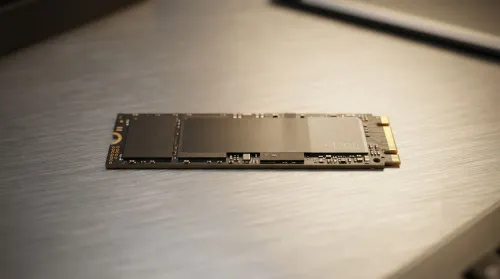
Wondering what a 512GB SSD capacity really holds? This guide breaks down how many games, photos, and documents fit on 512GB, with real-world ranges 📦💾
Every spec on vrm explained in plain English. What matters for gaming and creator work in 2026, what's marketing fluff, and how each number translates to real-world performance.
Every spec on motherboard explained in plain English. What matters for gaming and creator work in 2026, what's marketing fluff, and how each number translates to real-world performance.
Premium vs Midrange Motherboards in South Africa: real-world performance, SA pricing, power draw and which one delivers better value for your build for SA buyers. The clear answer — without the fluff.
Wondering what a 512GB SSD capacity really holds? This guide breaks down how many games, photos, and documents fit on 512GB, with real-world ranges 📦💾
Every spec on PCIe 5.0 explained in plain English. What matters for gaming and creator work in 2026, what's marketing fluff, and how each number translates to real-world performance.
A head-to-head look at WiFi 7: real-world performance, ZAR pricing and which option delivers better value for SA builders. The clear answer — no fluff.
Every spec on USB4 explained in plain English. What matters for gaming and creator work in 2026, what's marketing fluff, and how each number translates to real-world performance.