Quick Answer
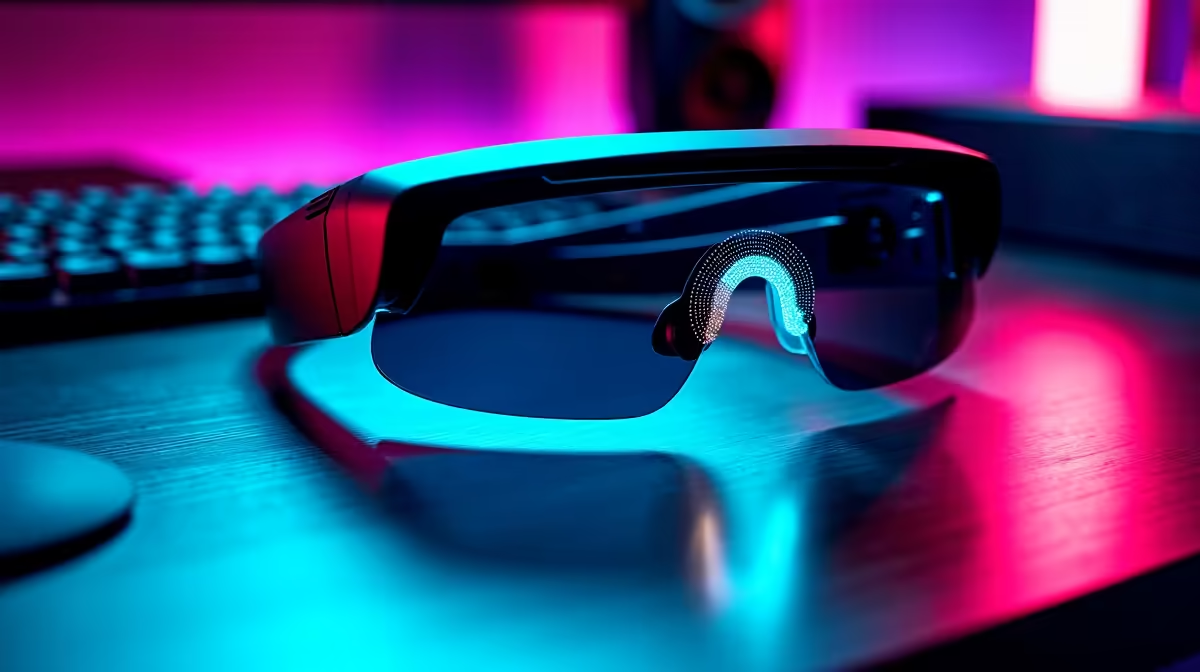
For monitoring an expensive setup, step up from starter AR glasses to serious ones when the entry display feels dim or cramped for reading dashboards; serious models around R9,500 add a wider field of view and 600-plus nits. Starter units near R5,500 suffice for occasional, simple monitoring.
The Starter-To-Serious Path For Monitoring
Starter AR glasses give a fixed virtual screen that is fine for a quick glance at one readout. The serious tier earns its premium when you watch detailed dashboards for long stretches: a wider field of view shows more at once, higher 600-to-700-nit brightness keeps text crisp in a lit room, and better optics reduce eye strain over hours. Serious models also tend to offer dioptre adjustment, useful for glasses wearers monitoring gear all day.
Decide By How You Monitor
If you only check a single status now and then, starter glasses are enough and the upgrade is wasted. If monitoring is constant and detailed, the serious tier pays back in comfort and legibility. Either way, prioritise a stable wired USB-C feed over wireless, since a dropped connection on a monitoring tool defeats its purpose.
FAQ
When should I upgrade from starter AR glasses?
When the entry display feels dim or cramped for long, detailed monitoring. Serious models add brightness, field of view and comfort that matter over hours.
Do serious AR glasses help glasses wearers?
Often yes; many offer dioptre adjustment, so you can monitor without your own glasses underneath, which is more comfortable for all-day use.
Is a wired feed better than wireless for monitoring?
Yes; a wired USB-C link is more stable, and a dropped wireless connection defeats the purpose of a tool meant to keep you watching your gear.
Stick with starter glasses for occasional glances, but step up to the serious tier if you monitor detailed dashboards for long, frequent sessions.