


Black Myth: Wukong 2 Ultrawide Support: 21:9 and 32:9 Setup Guide
Black Myth: Wukong 2 Ultrawide Support: 21:9 and. Clear setup instructions with SA-specific considerations, troubleshooting tips & recommended components.
Read moreWondering are cheap laptops worth it? While the low price tag is tempting, many budget models come with hidden costs like poor performance, short lifespans, and unexpected repair bills. We uncover the real price of a bargain laptop so you can invest wisely. 💻💸

That R4,000 laptop deal on Takealot looks tempting, doesn't it? In a tough economy, stretching every rand is a must. But before you click "add to cart," let's have a real chat. We've seen hundreds of these ultra-budget machines come and go. The critical question isn't just about the price today, but the hidden costs tomorrow. So, are cheap laptops worth it for South Africans, or are you just buying future frustration? Let's find out.
The biggest hidden cost of a cheap laptop isn't in rands... it's in minutes. Minutes spent waiting for Word to open, for Chrome to load a webpage, or for the whole system to unfreeze. This "frustration tax" adds up quickly, and it's usually caused by three key components that manufacturers compromise on to hit that low price point.
A laptop's speed comes down to its processor (CPU), memory (RAM), and storage drive. Budget laptops typically cut corners on all three.
When checking laptop specs, always look for "SSD" or "NVMe". Avoid anything that just says "eMMC" or lists a "5400RPM HDD" unless it's purely for secondary data storage. An SSD is the single biggest performance upgrade you can get.
Ever heard of a device failing the month after its 12-month warranty expires? It happens all the time with budget electronics. The hidden cost here is a short lifespan. Manufacturers save money using flimsy plastics, weak screen hinges, and mushy keyboards.
A laptop is a physical object you interact with daily. A flexible keyboard makes typing a chore, a wobbly screen is unnerving, and a weak hinge is a ticking time bomb. It's often worth spending a bit more on a series known for better construction, like the ASUS VivoBook series, which balances price with a much more durable and premium feel.
Beyond raw performance and build, other compromises can make using a cheap laptop a daily pain, especially in South Africa.
For a very small niche—perhaps a young child's first device for typing practice or a secondary machine for basic browsing—an ultra-cheap laptop might make sense.
For everyone else... probably not. The initial saving of R1,000 or R2,000 is quickly erased by lost productivity, frustration, and the high probability of needing to replace the device in just a year or two.
The smarter approach is to aim for value, not just the lowest price. Look for the sweet spot: a laptop with a modern Ryzen 3/Core i3 processor, 8GB of RAM, and a fast SSD. This is where you get the best bang for your buck and a machine that will serve you well for years. By keeping an eye on the latest ASUS laptops on special, you can often find a fantastic, reliable machine for not much more than a frustratingly cheap one. ✨
Ready to Find a Laptop That Lasts? The allure of a cheap laptop is strong, but investing a little more in quality pays off big time. Don't buy frustration. Explore our massive range of laptop specials and find the perfect machine built for value and performance.
Cheap laptops often use older or less powerful components, like slower processors, less RAM, and basic storage. Manufacturers also save on build quality and may include pre-installed bloatware to lower the initial price.
The biggest disadvantage is poor performance. Cheap laptops struggle with multitasking, demanding software, and even heavy web browsing, leading to frustration and a shorter usable lifespan as software requirements grow.
While a premium laptop can last 5+ years, a cheap laptop's lifespan is often only 2-3 years. This is due to lower-quality components, battery degradation, and an inability to handle future software updates efficiently.
Often, a well-maintained, used premium laptop offers better value. It provides superior build quality, a better screen, and stronger performance than a new budget model for a similar price, though it may lack a warranty.
Some cheap laptops allow for RAM or storage upgrades, which can provide a speed boost. However, key components like the CPU are usually soldered and cannot be changed, limiting the overall performance potential.
Generally, no. To cut costs, budget laptops often include smaller, lower-quality batteries. Combined with less power-efficient components, their battery life is typically a significant compromise compared to more expensive models.
Black Myth: Wukong 2 Ultrawide Support: 21:9 and. Clear setup instructions with SA-specific considerations, troubleshooting tips & recommended components.
Read more
Setting Up HDMI 2.1 Cable. Tested & verified settings for best FPS and visual quality on SA hardware budgets.
Read more
Every spec on PCIe 5.0 explained in plain English. What matters for gaming and creator work in 2026, what's marketing fluff, and how each number translates to real-world performance.

A head-to-head look at WiFi 7: real-world performance, ZAR pricing and which option delivers better value for SA builders. The clear answer — no fluff.

Everything you need to set up and tune PCIe 5.0 properly: the prep work, the settings that actually matter, and the mistakes to skip. Written for SA builders in 2026.

Everything you need to set up and tune X870E Motherboard properly: the prep work, the settings that actually matter, and the mistakes to skip. Written for SA builders in 2026.
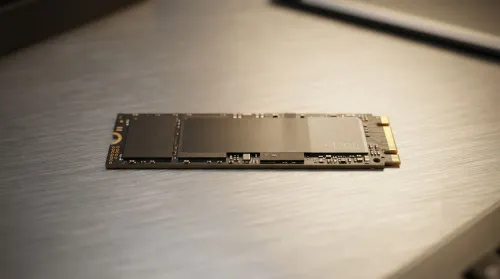
Wondering what a 512GB SSD capacity really holds? This guide breaks down how many games, photos, and documents fit on 512GB, with real-world ranges 📦💾

Every spec on vrm explained in plain English. What matters for gaming and creator work in 2026, what's marketing fluff, and how each number translates to real-world performance.

Every spec on motherboard explained in plain English. What matters for gaming and creator work in 2026, what's marketing fluff, and how each number translates to real-world performance.

Premium vs Midrange Motherboards in South Africa: real-world performance, SA pricing, power draw and which one delivers better value for your build for SA buyers. The clear answer — without the fluff.
Wondering what a 512GB SSD capacity really holds? This guide breaks down how many games, photos, and documents fit on 512GB, with real-world ranges 📦💾
Every spec on PCIe 5.0 explained in plain English. What matters for gaming and creator work in 2026, what's marketing fluff, and how each number translates to real-world performance.
A head-to-head look at WiFi 7: real-world performance, ZAR pricing and which option delivers better value for SA builders. The clear answer — no fluff.

Every spec on USB4 explained in plain English. What matters for gaming and creator work in 2026, what's marketing fluff, and how each number translates to real-world performance.