

RTX 4060 Ti Throttling Under Load: SA Temperature Guide
RTX 4060 Ti Throttling Under Load: Temperature. Everything you need to know with SA pricing, step-by-step instructions & expert recommendations.
Read moreSearching for the best CPU for Linux gaming? 🐧 We break down the AMD vs. Intel rivalry, kernel compatibility, and open-source driver performance to help you build the ultimate penguin-powered rig. Discover which processor reigns supreme in 2025! 🚀
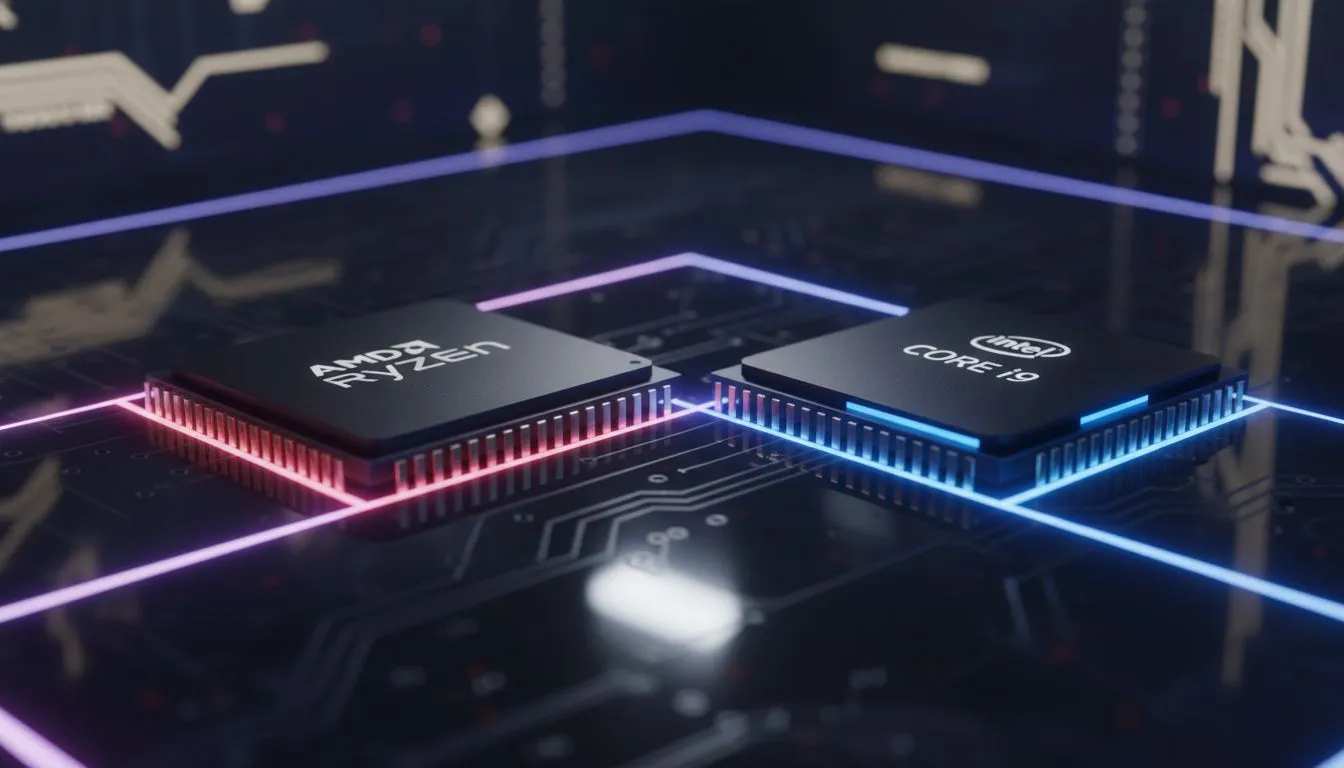
Lekker, you've ditched the mainstream and embraced the power of Linux gaming. But now comes the big question when planning your next build: which CPU will actually play nice with Proton and your favourite distro? Finding the best CPU for Linux gaming isn't just about raw speed; it’s about smart compatibility. Let’s dive into the AMD vs. Intel showdown for 2025 and get your rig sorted, ensuring you spend more time gaming and less time troubleshooting.
In the world of Linux, your processor does more than just run the game. It’s at the heart of the compatibility layer that makes Windows games work, namely Proton and Wine. An inefficient or poorly supported CPU can lead to stuttering, lower frame rates, or straight-up crashes. Choosing the right brain for your rig is the most critical step. With so many CPU processors online, the decision can feel overwhelming for a Linux user, but getting it right means a smoother, more powerful open-source gaming experience. 🚀
A modern Linux gaming CPU needs to handle the extra overhead of translation layers while still delivering buttery-smooth performance. This is where the AMD vs. Intel compatibility question becomes crucial.
For years, AMD has been the darling of the Linux community, and for good reason. Their commitment to open-source drivers, particularly the AMDGPU kernel driver and Mesa for graphics, often results in a fantastic out-of-the-box experience. This philosophy generally extends to their CPUs.
For those needing maximum multi-core performance for gaming and compiling shaders, the flagship AMD Ryzen 9 series is an absolute beast. Because AMD's architecture is well-understood by the Linux kernel, new Ryzen chips tend to have excellent support from day one on rolling-release distros like Arch or Fedora. This "it just works" factor makes most AMD CPUs a solid bet for a hassle-free setup, making them a top contender for the best CPU for Linux gaming.
Before buying a brand-new CPU, check which Linux kernel version your favourite distribution is running. A quick uname -r in the terminal will tell you. Newer CPUs, especially those with new architectures, need newer kernels (e.g., 6.5+) to unlock their full potential and ensure all features work correctly.
Don't count Team Blue out. Intel has made huge strides in performance, and their raw single-threaded speed remains legendary. This often gives many of the current Intel processors an edge in older games or titles that don't use many cores. While their driver history was once a bit rocky, their modern integrated graphics drivers are now baked directly into the Linux kernel and work flawlessly.
The real story is their Performance-core (P-core) and Efficient-core (E-core) hybrid architecture. Initially, this caused some headaches for the Linux scheduler. However, modern kernels are now brilliant at managing these different core types, assigning games to the fast P-cores and background tasks to the E-cores. This intelligence makes the new Intel Core Ultra 9 chips a very compelling, power-efficient option for a sophisticated Linux gaming build. ✨
So, how do you choose the best CPU for your Linux gaming rig? It boils down to a few key differences.
This is the big one. AMD’s consistent architecture often means mature support on launch day. Intel’s newer P-core/E-core designs might take a kernel cycle or two to become perfectly optimised. If you use a stable, long-term support (LTS) distro like Ubuntu LTS, an AMD CPU might offer a smoother initial experience. If you’re on a rolling release with the latest kernel, this difference becomes much smaller.
For pure gaming via Proton, high clock speeds and strong single-core performance matter. Intel often has a slight edge here. However, for tasks that run alongside gaming... like compiling software, streaming, or running emulators for consoles like the PS3 (RPCS3)... AMD's often higher core counts at a given price point can pull ahead.
This is a huge deal in South Africa, especially with our warm climate and loadshedding schedules. A CPU that runs cooler and sips power is more stable and cheaper to run. Both AMD's Ryzen 7000 series and Intel's latest Core Ultra processors have made massive gains in performance-per-watt. Evaluating the TDP (Thermal Design Power) of your chosen CPU is a smart move for any build. A more efficient CPU means your rig runs quieter and is less likely to thermal throttle during an intense session of Helldivers 2.
Ultimately, the debate over the best CPU for Linux gaming in 2025 is less about "which brand is better" and more about "which chip is right for your setup". Both Team Red and Team Blue now offer incredible processors that work brilliantly with Linux. Your choice depends on your distro, your budget, and whether you prioritise plug-and-play simplicity or cutting-edge architectural features.
Ready to Build Your Linux Powerhouse? The AMD vs. Intel choice for Linux is clearer than ever. It's about matching the chip to your distro and gaming style. Explore our complete range of CPUs and find the perfect core for your open-source rig.
AMD generally offers superior open-source driver integration, making it a top choice for Linux gaming, though Intel's recent kernel updates have closed the gap significantly.
Yes, modern Linux kernels (version 6.x+) have improved the thread director, allowing Intel E-cores to handle background tasks efficiently while gaming.
The AMD Ryzen 5 7600 is widely considered the best budget CPU for Linux gaming due to its excellent price-to-performance ratio and mature driver support.
Linux schedulers are highly efficient at multi-threading, often utilizing high-core-count CPUs like the Ryzen 9 better than Windows in specific compilation workloads.
Intel boasts excellent day-one Linux support for CPUs, but you must ensure you are using a recent kernel version to maximize performance on the latest architectures.
Large caches, such as AMD's 3D V-Cache technology, significantly boost frame rates in CPU-bound titles on Linux, mirroring the performance gains seen on Windows.
RTX 4060 Ti Throttling Under Load: Temperature. Everything you need to know with SA pricing, step-by-step instructions & expert recommendations.
Read more
Apex Legends Max Settings on RTX 4080. Tested & verified settings for best FPS and visual quality on SA hardware budgets.
Read more
GPU Buying Guide. Everything you need to know with SA pricing, step-by-step instructions & expert recommendations.
Read more
GPU Terms Guide. Everything you need to know with SA pricing, step-by-step instructions & expert recommendations.
Read more
AMD Adrenalin Download & Setup Guide: GPU. Clear setup instructions with SA-specific considerations, troubleshooting tips & recommended components.
Read more
Back-to-School GPU Buying Guide. Everything you need to know with SA pricing, step-by-step instructions & expert recommendations.
Read more
Can RTX 4080 Super Run AI Workloads for SA Developers Detailed answer with SA data, expert analysis & practical recommendations for local buyers.
Can RTX 4090 Run AI Workloads for SA Developers Detailed answer with SA data, expert analysis & practical recommendations for local buyers.
Top Settings for Intel Arc B580 at Ultrawide 1440p picks evaluated on performance, value & SA availability with current Rand pricing from Evetech.

RX 7600 Overclocking Guide: Safe OC Settings for. Real-world benchmark data, FPS numbers & performance analysis. What SA gamers can actually expect.

RTX 4060 CS2 Low Settings at 1080p: FPS Results. Real-world benchmark data, FPS numbers & performance analysis. What SA gamers can actually expect.

Visual Artifacts: Possible GPU Issue Issue #1. Diagnosis steps, proven fixes & when to seek professional help. SA-specific support info included.
Can the RTX 4090 Handle 1440p 144Hz Gaming. Performance testing verdict with real data & practical recommendations for SA buyers.

Top ASUS GPU Under R15000 picks evaluated on performance, value & SA availability with current Rand pricing from Evetech.
RTX 4060 Ti Throttling Under Load: Temperature. Everything you need to know with SA pricing, step-by-step instructions & expert recommendations.
Apex Legends Max Settings on RTX 4080. Tested & verified settings for best FPS and visual quality on SA hardware budgets.
GPU Buying Guide. Everything you need to know with SA pricing, step-by-step instructions & expert recommendations.
GPU Terms Guide. Everything you need to know with SA pricing, step-by-step instructions & expert recommendations.