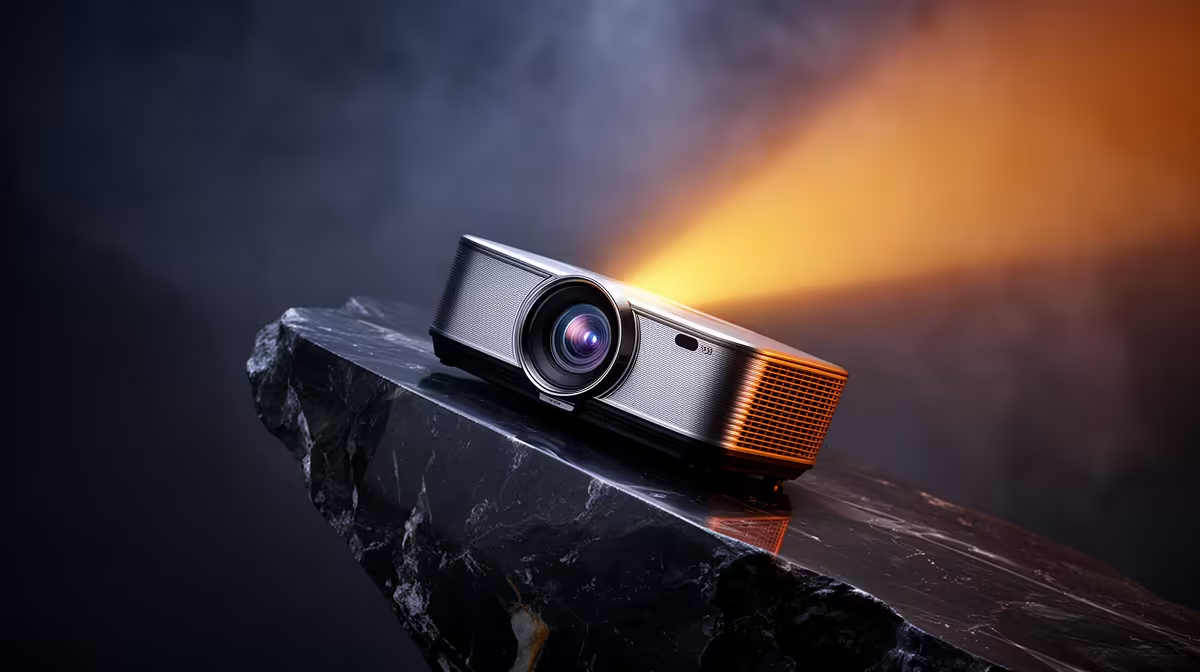
A backyard projector has to fight ambient light, cover the chosen screen from the space available and survive being carried in and out. Weatherproofing is rare in ordinary home projectors, so plan to pack the unit away. Darkness and a good screen do more for the picture than chasing one marketing number.
Quick Answer
Choose a portable projector with enough measured brightness for use after sunset, a throw ratio that fits the garden and an image size your seating can support. Use a proper outdoor screen, external sound and safe power. Treat the projector as indoor electronics unless the exact model carries a suitable weather rating.
Start with the time the film will play
No affordable portable projector can overpower direct South African sun and create cinema contrast. Plan the main screening after sunset. Early evening can work with a brighter unit, smaller image and shaded area, though black levels will remain washed out.
Streetlights, patio bulbs and neighbours' lights matter. Place the screen where fewer lights shine on it and switch off nearby bulbs. A dark backdrop behind the screen can help perceived contrast.
Brightness specifications use different test methods. Seek independently measured output in the picture mode you would watch. A vivid showroom mode can be brighter and less accurate than the useful cinema mode.
Throw ratio decides whether it fits
Measure the distance from lens to screen. Throw ratio links that distance with image width. Use the manufacturer's calculator for the exact model, then leave room for seating and people walking behind the projector.
Short-throw models create a large image from close range but can be sensitive to screen flatness and alignment. Long-throw projectors can sit behind the audience, reducing shadows, while requiring more garden depth.
Lens shift makes placement easier without distorting the image. Keystone correction is useful for small adjustments but can reduce usable resolution. Place the projector square to the screen first.
The row links to displays rather than projectors, so use the monitor range and screens buyers currently favour as an alternative check for an enclosed patio or small group. A large monitor can offer a brighter, simpler picture when the viewing area is close and protected.
Use a real screen and stable stand
A white wall can work for a test, but texture, colour and unevenness show at large size. A tensioned portable screen gives a flatter image and predictable gain. Secure it against wind according to its instructions.
Do not place the projector on a chair that can be kicked. Use a stable table or stand and mark a clear path around it. Keep ventilation open and prevent children or pets from reaching hot exhausts.
Rear projection can keep equipment behind the screen when the material supports it, but it needs extra space and controls around stray light.
Plan sound separately
Small projector speakers struggle outdoors because there are no walls to reinforce sound. Use a suitable powered speaker or sound system with enough cable or wireless stability for the seating area.
Bluetooth can introduce lip-sync delay. A wired audio output or low-latency link is safer for film. Test the entire chain before guests arrive.
Keep volume considerate. Outdoor sound travels, and deeper bass can carry farther than dialogue. Place speakers close to the audience instead of making one box loud enough for the whole property.
Protect power and electronics
Use outdoor-rated extension equipment and keep connections dry and off the ground. Avoid overloading a reel or leaving cable coiled under high load. Route it where nobody will trip.
Ordinary projectors are not rainproof. Check the weather and have a quick pack-away plan. Dew and moisture can form even without rain, so let equipment dry safely before storage if needed.
Keep the source device protected too. A laptop on damp grass or under an open window is part of the risk.
Check source, resolution and focus
Streaming services can behave differently through browsers, apps and HDMI devices. Test the film and account before the event. Download where the service allows it if the outdoor Wi-Fi link is uncertain.
Native resolution matters more than accepted input. A projector can accept 4K and display a lower native image. At large sizes, 1080p native resolution is a sensible starting point for film.
Focus across the whole screen, not only the centre. Warm the projector before the final adjustment. Check subtitles from the back row.
Run a rehearsal before inviting everyone
Set the projector, screen, source and speakers up at the intended time of day. Play a dark film scene and a bright sports scene. This exposes washed blacks, focus drift and sound delay while there is still time to change the layout.
Walk through the seating area and check whether anyone blocks the beam. Tape down cables with a suitable floor-safe cover and keep power connections away from damp ground. Leave space around the projector intake and exhaust; enclosing it in a box traps heat.
Download the film or confirm the connection before the event. Outdoor WiFi can be weak even when the lounge is well covered. A local source also avoids a stream dropping as the household network gets busy.
After the screening, let the fan complete its cool-down cycle, disconnect power and take every electronic item indoors. Wipe dust from the case once cool. A model marketed for portable use still needs dry storage and protection between sessions.
Frequently Asked Questions
Keep a torch and a spare source cable nearby. Small preparation prevents a dark garden from turning one loose connection into the end of the film.
How bright should an outdoor projector be?
Choose from measured brightness in the viewing mode and plan for darkness. Ambient light and image size change the requirement.
Can a projector stay outside?
Only when the exact model is rated for the conditions. Most home projectors should be packed away after use.
Do I need a screen?
A flat proper screen improves consistency and setup. A smooth neutral wall can serve as a basic test.
Can I use Bluetooth speakers?
Yes, though lip-sync delay can occur. Test it or use a wired connection.
Is a large monitor a better choice?
For a small group in an enclosed patio, it can offer higher brightness and simpler setup. Projection wins on image size.
Measure throw distance, control the light and build a safe screen, sound and power plan before choosing the outdoor display.