

Christmas GPU Buying Guide for SA 2026
Christmas GPU Buying Guide. Hand-picked gift ideas at every budget tier. SA pricing & Evetech availability included.
Read moreDiscover the best PC specs for music production! 🎵 Optimize your studio with high-performance components for seamless audio editing and production.
So, you've laid down a fire beat. The inspiration is flowing. You reach to add one more VST synth layer, and then it happens… the dreaded audio crackle, the stuttering playback, the spinning wheel of creative death. Here in South Africa, getting the best PC specs for music production isn't just a nice-to-have; it's the barrier between a chart-topping track and a project file that never gets finished.
Let’s tune up your knowledge and build a machine that can handle anything your Digital Audio Workstation (DAW) throws at it.
When you're running dozens of tracks, complex plugins, and virtual instruments, the Central Processing Unit (CPU) does all the heavy lifting. The best PC specs for music production always start with a powerful processor.
Forget about just looking at clock speed (GHz). For modern music production, core count is king. Each core can handle a separate task, so more cores mean you can run more plugins and tracks simultaneously before your system chokes.
A capable CPU ensures low latency—the delay between playing a note and hearing it—which is crucial for recording vocals and instruments.
Think of RAM (Random Access Memory) as your studio's short-term memory. It holds your operating system, your DAW, all your samples, and plugins for instant access. If you don't have enough, your PC has to constantly pull data from your slower storage drive, causing bottlenecks.
For a smooth music production PC, 16GB of DDR4 or DDR5 RAM is the absolute minimum today. However, if you work with large sample libraries (like orchestral sounds or complex drum kits), 32GB is the new standard. It gives you the headroom to create without limits. It's always a good idea to reference your mix on different systems, from studio monitors to a simple pair of TWS earbuds, to ensure it translates well everywhere.
The type of storage drive you use has a massive impact on your workflow. Loading massive project files, samples, and plugins from a traditional Hard Disk Drive (HDD) can feel like an eternity.
This is where NVMe M.2 Solid State Drives (SSDs) come in. They are exponentially faster than HDDs. The ideal setup for a music production PC is a two-drive solution:
If your audio is crackling during playback, try increasing the buffer size in your DAW's audio settings. This gives your CPU more time to process everything, reducing clicks and pops. Just remember to lower it again when recording to minimise latency!
While the CPU, RAM, and storage are the headliners, a few other components complete the perfect PC build for music production.
Ready to Build Your Dream Studio PC? Stop letting a slow rig kill your creativity. Evetech has all the components and pre-built systems you need, configured with the perfect specs for music production and delivered nationwide. Explore our custom PC builder today and start making music without limits.
Intel i7/i9 or AMD Ryzen 7/9 processors offer excellent multi-core performance for DAWs and VSTs.
16GB minimum, but 32GB+ is recommended for complex projects with multiple audio tracks.
Yes! NVMe SSDs dramatically reduce latency and improve performance with large sample libraries.
Focusrite Scarlett or Universal Audio interfaces are popular for their low-latency recording capabilities.
While not essential, a mid-tier GPU helps with plugin interfaces and visual processing.
Use a dedicated audio interface, optimize buffer settings, and ensure your PC meets minimum specs.
Custom builds let you prioritize audio components, but pre-built systems save time with tested configurations.
Christmas GPU Buying Guide. Hand-picked gift ideas at every budget tier. SA pricing & Evetech availability included.
Read more
Minecraft Max Settings on RTX 4080. Tested & verified settings for best FPS and visual quality on SA hardware budgets.
Read more
GPU Cooling: Complete Guide. Everything you need to know with SA pricing, step-by-step instructions & expert recommendations.
Read more
Starfield Max Settings on RTX 4090. Tested & verified settings for best FPS and visual quality on SA hardware budgets.
Read more
Starfield Max Settings on RTX 4080. Tested & verified settings for best FPS and visual quality on SA hardware budgets.
Read more
GPU Driver Installation. Everything you need to know with SA pricing, step-by-step instructions & expert recommendations.
Read more
Snapdragon X2 NPU Explained: How 80 TOPS Changes. Plain-English explanation of what it means, why it matters & how it affects your buying decisions in SA.

HBM? High Bandwidth Memory Used in GPUs and AI. Plain-English explanation of what it means, why it matters & how it affects your buying decisions in SA.
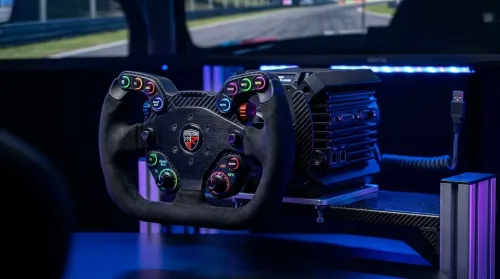
How much should you spend on sim racing accessories in South Africa for a realistic setup? We break down budgets by quality tiers, so you buy smart gear and avoid overspending 🎮💸

G-Sync and FreeSync? Variable Refresh Rate. Plain-English explanation of what it means, why it matters & how it affects your buying decisions in SA.

AMD Laptop: Value. SA-focused analysis with local pricing data, real-world insights & actionable buying advice.

How MacBook Neo Handles 30+ Chrome Tabs with Only. SA-focused analysis with local pricing data, real-world insights & actionable buying advice.

Why Apple Put 8GB RAM in MacBook Neo: The A18 Pro. SA-focused analysis with local pricing data, real-world insights & actionable buying advice.
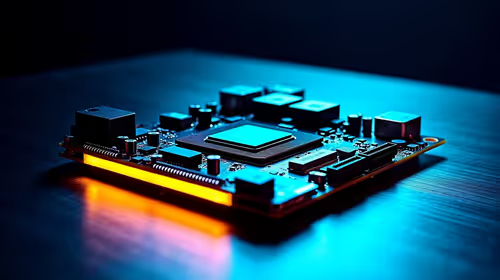
Upgrade your work laptop with a New Motherboard. Step-by-step instructions with SA-specific tips, common pitfalls to avoid & expert recommendations.
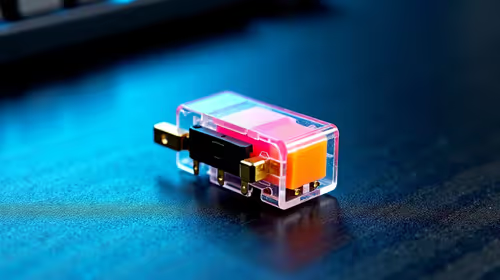
Glorious Keyboard Switches Explained: Which. Plain-English explanation of what it means, why it matters & how it affects your buying decisions in SA.
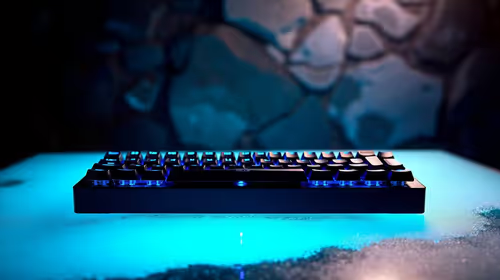
Winter Keyboard Buying Guide. Everything you need to know with SA pricing, step-by-step instructions & expert recommendations.

Keyboard Buying Guide. Everything you need to know with SA pricing, step-by-step instructions & expert recommendations.

LGBTQ+ Gamers Keyboard Guide: January Edition. Everything you need to know with SA pricing, step-by-step instructions & expert recommendations.