

RTX 4060 Ti Throttling Under Load: SA Temperature Guide
RTX 4060 Ti Throttling Under Load: Temperature. Everything you need to know with SA pricing, step-by-step instructions & expert recommendations.
Read moreFind the best streaming webcam for your setup. 🚀 We break down resolution, frame rate, and low light performance to help you deliver professional-grade visuals to your audience every time. 🎥
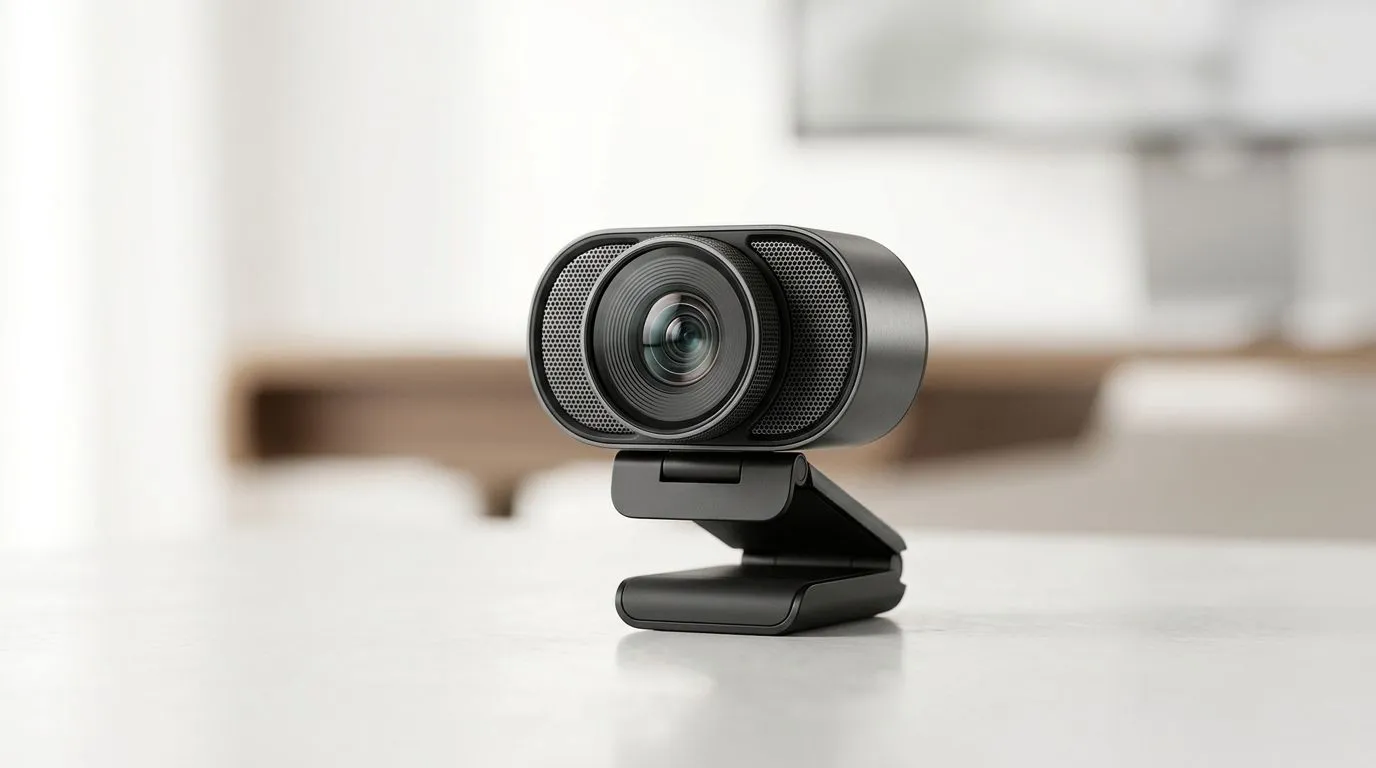
Streaming quality can make or break your online presence. Whether you're showing off your latest build or engaging with fans, choosing the best streaming webcam ramps up your content 🔧. SA gamers know buffering and pixelated streams frustrate any viewer. That’s why understanding resolution, frame rate, and low-light performance helps you pick a webcam that delivers crisp, smooth video whether you’re battling at home or chatting live.
Resolution refers to the number of pixels your webcam captures. The higher the resolution, the clearer and more detailed your image looks. Most streamers aim for 1080p (Full HD) at minimum — it balances visual quality and system load perfectly. Want to stand out in crowded Twitch streams? Invest in a webcam that supports 1920x1080 or higher resolution.
For budget-conscious South Africans, browsing webcams under R1000 can still yield good HD options. Check out this selection of affordable webcams under R1000, perfect for beginners or casual streamers.
Frame rate measures how many frames per second (fps) your webcam captures. 30fps is standard and fine for casual streaming. But competitive gamers and professionals often prefer 60fps. Why? Higher frame rates mean smoother motion and less blur during fast action sequences.
If your rig can handle it, grab a webcam capable of 60fps at 1080p – it impresses viewers and makes your streams feel live. For those wanting premium specs, explore webcams priced between R1000 and R2000 for strong frame rates and added features. Evetech’s mid-range webcams include models optimised for streaming clarity.
Most streaming happens indoors, often in tricky lighting. A webcam with great low-light capability delivers a sharper image when ambient light is weak. This means less grainy or noisy footage and more flattering colours on camera.
Pro tip: Look for cameras with larger sensors or automatic light correction. Often, webcams in the R2000–R3000 range perform better in low light, offering features like HDR or noise reduction. Check out these higher-end streaming webcams tailored for serious streamers.
Adjust your webcam’s exposure and positioning before streaming. Use a soft light source instead of harsh direct light — your image will look sharper without extra gear.
Finding the best streaming webcam comes down to your budget and streaming goals. Prioritise resolution for clear visuals, frame rate for smooth video, and low-light performance for all-day streaming flexibility. Browse Evetech’s complete range for every price point and performance tier at Evetech’s webcams selection page.
Investing in the right webcam does more than improve your stream — it boosts your confidence and viewer engagement. Ready to elevate your online presence? Your best streaming webcam awaits.
Upgrade Your Streaming Setup Today Get your ideal webcam from Evetech and stream like a pro. Shop now at Evetech for performance that leaves lag in the dust.
While 4K offers superior detail, most platforms limit stream output to 1080p. A high-quality 1080p webcam with 60fps is often better for smooth motion.
A higher frame rate, such as 60fps, ensures your movements look fluid and professional, which is critical for fast-paced gaming or reaction streams.
Beyond choosing a camera with a large sensor, use dedicated LED ring lights or softboxes to provide consistent illumination, significantly reducing digital grain.
The best webcam for OBS is one that offers uncompressed video output and manual control over exposure, focus, and white balance settings.
Yes, higher resolutions require higher bitrates. Ensure your upload speed can handle the data load required for 1080p or 4K streaming.
A larger sensor size allows more light to hit the pixel, resulting in better low light performance and less image noise in dimly lit rooms.
RTX 4060 Ti Throttling Under Load: Temperature. Everything you need to know with SA pricing, step-by-step instructions & expert recommendations.
Read more
Apex Legends Max Settings on RTX 4080. Tested & verified settings for best FPS and visual quality on SA hardware budgets.
Read more
GPU Buying Guide. Everything you need to know with SA pricing, step-by-step instructions & expert recommendations.
Read more
GPU Terms Guide. Everything you need to know with SA pricing, step-by-step instructions & expert recommendations.
Read more
AMD Adrenalin Download & Setup Guide: GPU. Clear setup instructions with SA-specific considerations, troubleshooting tips & recommended components.
Read more
Back-to-School GPU Buying Guide. Everything you need to know with SA pricing, step-by-step instructions & expert recommendations.
Read more
Can RTX 4080 Super Run AI Workloads for SA Developers Detailed answer with SA data, expert analysis & practical recommendations for local buyers.
Can RTX 4090 Run AI Workloads for SA Developers Detailed answer with SA data, expert analysis & practical recommendations for local buyers.
Top Settings for Intel Arc B580 at Ultrawide 1440p picks evaluated on performance, value & SA availability with current Rand pricing from Evetech.
RX 7600 Overclocking Guide: Safe OC Settings for. Real-world benchmark data, FPS numbers & performance analysis. What SA gamers can actually expect.
RTX 4060 CS2 Low Settings at 1080p: FPS Results. Real-world benchmark data, FPS numbers & performance analysis. What SA gamers can actually expect.
Visual Artifacts: Possible GPU Issue Issue #1. Diagnosis steps, proven fixes & when to seek professional help. SA-specific support info included.
Can the RTX 4090 Handle 1440p 144Hz Gaming. Performance testing verdict with real data & practical recommendations for SA buyers.
Top ASUS GPU Under R15000 picks evaluated on performance, value & SA availability with current Rand pricing from Evetech.
RTX 4060 Ti Throttling Under Load: Temperature. Everything you need to know with SA pricing, step-by-step instructions & expert recommendations.
Apex Legends Max Settings on RTX 4080. Tested & verified settings for best FPS and visual quality on SA hardware budgets.
GPU Buying Guide. Everything you need to know with SA pricing, step-by-step instructions & expert recommendations.
GPU Terms Guide. Everything you need to know with SA pricing, step-by-step instructions & expert recommendations.