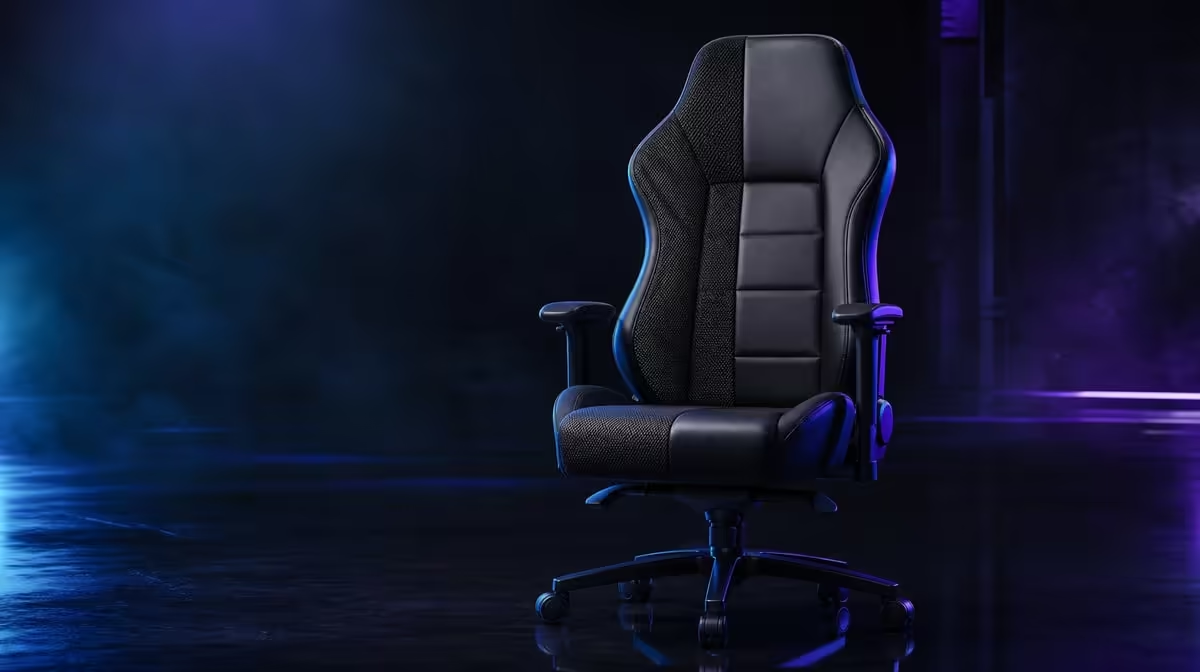
Breathability and cushioning solve different comfort problems. Breathable covering vs extra cushioning should be judged by whether heat at the contact surface or pressure and softness is the user's main concern. At R8,599, the noblechairs HERO Black Edition offers a known ventilation-focused example through breathable material and styled air channels, without stating a padding thickness that could settle softness.
Quick Answer
Choose ventilation features when contact heat is the recurring problem, and compare cushioning when pressure or surface feel drives the decision. The R8,599 HERO combines breathable covering with air channels, while its support comes from adjustable lumbar contact and enlarged 4D armrests. Neither the coolest nor the softest first impression guarantees long-session comfort.
🌬️ Define the heat problem
Observe where warmth develops during the normal session. A hot room, heavy clothing and limited movement can all affect the result beyond the chair itself.
The HERO's covering and air channels address ventilation around contact areas. They cannot lower room temperature or create airflow across the whole setup.
Test during realistic conditions, not only early in the day or for a few minutes. The user's experience after the initial surface temperature passes is more informative.
Evetech's noblechairs chair category anchors the HERO facts to the actual range.
🧸 Separate softness from pressure support
Extra cushioning changes how the body meets the seat and backrest, but more is not automatically better. Softness can feel inviting at first while support over a longer task remains a separate question.
Do not invent padding measurements for the HERO. Instead, assess its known lumbar and arm controls. The continuous lumbar mechanism changes lower-back contact, while the enlarged pads support the forearms.
Sit through a normal task and notice concentrated pressure, the urge to shift and whether the body can remain supported without feeling trapped. Movement is still beneficial; the chair is not meant to freeze one pose.
A warm-room buyer should compare cushioning and ventilation together. A thick, soft feel can still be warm, while a breathable surface can still be unsuitable if the chair misses the user's body.
Browse Evetech's broader gaming chair selection for other combinations of material and support.
🪑 Keep ergonomics in the comparison
Set the desk reach before evaluating material. A user leaning forward because the keyboard is distant will change pressure and contact heat.
Tune the HERO's lumbar depth gradually and place its 4D armrests beneath relaxed forearms. These adjustments can improve support, but they do not change room conditions.
Test typing, pointer movement and controller use. Different tasks move the arms and torso, changing which areas remain in contact with the chair.
An intended range reaching 150kg and robust steel construction are two structural HERO facts. They help filter the chair but do not predict softness, heat or exact lifespan.
Check armrest contact as part of pressure comfort. Enlarged pads can spread forearm support, yet an incorrect height may concentrate pressure or raise the shoulders. Surface comfort should include every contact point, not only the seat and back.
Shared users should repeat the trial independently. Different body shapes can change pressure distribution and the amount of lumbar contact that feels suitable, even in the same room.
🧪 Run a controlled comfort trial
Keep clothing, room airflow and session length similar when comparing two chairs. Note temperature at contact areas, perceived pressure, adjustment use and how often the user needs to move.
Repeat after a normal break. If comfort returns mainly because the user stood and moved, record that separately from the chair's material result.
Avoid comparing a fabric label with a PU label as if each were one construction. The HERO's breathable PU and channel design show why model-specific details matter.
Test surface care expectations as well. PU benefits from gentle dust removal, a lightly damp cloth for small areas and prompt drying. A material that suits the room but not the household routine can still be a poor daily choice.
Keep a short test log with start time, room feel, clothing, first warm area and first pressure point. Repeat after changing only one condition, such as airflow or lumbar depth. This prevents the covering from receiving blame for a posture or room problem.
Compare the chair again after standing and returning. If pressure disappears mainly because the body moved, movement belongs in the comfort plan rather than being credited to cushioning.
Avoid adding an untested cover or cushion during the first assessment. It changes both ventilation and support contact, making the original chair harder to judge.
At R8,599, the HERO includes more than ventilation. Its steel frame, continuous lumbar control, enlarged 4D pads and up-to-150kg user design contribute to the total value.
Create separate scores for heat management, pressure comfort, support fit, structure and care. Do not let a good result in one row erase a critical failure in another.
Weight the rows by actual use. A warm South African room may make ventilation a daily priority, while another user's cooler space places more weight on pressure distribution. There is no reason every buyer must use the same weighting.
Ask a more expensive chair to identify the exact comfort problem it improves. Ask a cheaper chair to pass the same realistic session. Price alone cannot tell whether breathability or softness is useful.
Compare the Evetech range of gaming chairs above R4,000 after the trial. Check current availability before purchase.
The answer can favour breathable covering, extra cushioning or another balance. It should come from observed session comfort rather than an assumption that airflow or softness always wins.
Use two separate scorecards during the trial. The first should track contact heat: how the surface feels at the beginning, midway through the session and after standing. The second should track support: whether the lower back remains comfortably against the chair, whether pressure builds in one area and whether the user starts shifting merely to escape the cushioning. This separation stops a cool-feeling cover from being mistaken for good body support, or plush padding from being mistaken for temperature control.
The HERO's breathable PU and styled air channels belong mainly on the heat card. Its continuous lumbar adjustment and armrest range belong on the support card. Run both cards in the room where the chair will be used, because airflow and clothing can change the surface result. Once the evidence is written down, decide which problem occurs more often. The winning feature is the one that addresses the repeated need without weakening the rest of the fit.
Frequently Asked Questions
What does breathable covering address?
It targets heat and ventilation at the areas where the body contacts the chair.
What does extra cushioning change?
It changes surface softness and pressure contact, not room temperature.
Which ventilation features are known on the HERO?
It combines breathable covering with styled air channels.
Can ventilation replace breaks?
No. Movement and normal breaks remain part of a long seated session.
Is the softest chair always best?
No. Initial softness can differ from support and pressure comfort over time.
How should warm-room buyers compare?
Use similar clothing, airflow and session length, then score heat separately from fit.
Does the steel frame affect breathability?
No. Structure and surface ventilation are distinct parts of the chair.
Should an extra cushion be added during the first test?
No. Judge the chair as configured first; an added layer changes support and airflow.
Can two users reach different conclusions?
Yes. Body shape, clothing, room conditions and pressure preference can produce different results.
Ready to find whether heat or pressure is the real comfort problem?
Explore Evetech gaming chairs and compare the HERO's breathable surface with the support your body uses.