A single box that converts digital audio and drives your headphones is the easiest way into better sound, but at some point splitting it into a separate DAC and amp stops being audiophile theatre and starts being the right call. The honest answer is that most people are well served by a combo, and the minority who benefit from separates can usually name exactly why.
Quick Answer
A DAC/amp combo wins on cost, cables and desk space, and it is the right buy for most setups under roughly R8,000 of audio budget. Split into separate DAC and amp when you own genuinely demanding headphones, want more amplifier power than a combo provides, or are chasing the last few percent of performance at a higher budget.
What a Combo Actually Combines
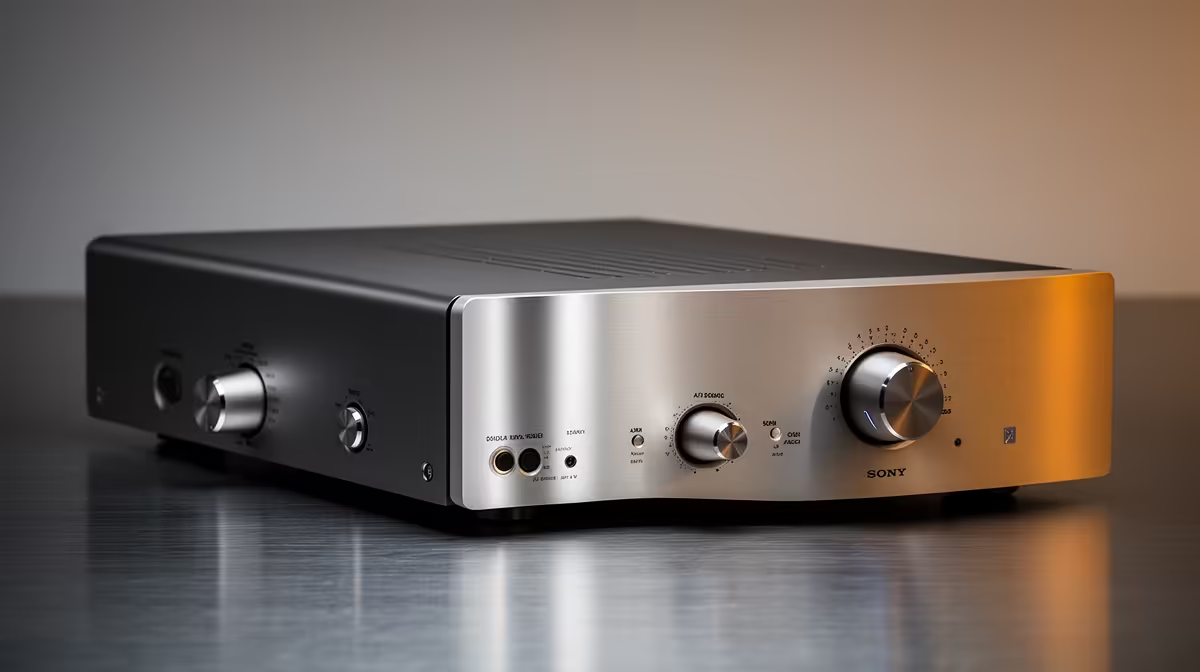
A combo unit puts two jobs in one chassis. The digital-to-analogue converter turns the digital signal from your PC or phone into an analogue waveform, and the headphone amplifier raises that waveform to a level and current your headphones can drive. Doing both in one box means one power connection, one cable run, one purchase and one footprint on the desk. For the vast majority of headphones, a well-implemented combo drives them cleanly with a low noise floor and plenty of detail.
The appeal is not just price. Fewer interconnects means fewer places for noise to creep in, and a single device is simpler to set up and troubleshoot. This is why combos dominate the entry and mid tiers and why so many people never need anything else.
When Splitting Them Earns Its Keep
Separates make sense when one half of the chain needs to outgrow the other. The clearest trigger is power. A dedicated headphone amplifier can deliver far more voltage and current than the amp section squeezed into a compact combo, and high-impedance or power-hungry headphones need exactly that to come alive.
You Own Demanding Headphones
High-impedance dynamic headphones around 250 to 300 ohms, and many planar magnetic designs, draw more power than a modest combo can supply. Underpowered, they sound thin, soft in the bass and short on dynamics. A proper standalone amp gives them the headroom to swing properly, and that is the upgrade most people actually hear.
Low-impedance planar headphones present a different challenge: they need high current delivery rather than high voltage. A combo designed around driving 32-ohm dynamic headphones may clip on a current-hungry planar even though the impedance looks easy. Check your specific headphone's current demands, not just its ohm figure.
You Want to Upgrade One Half Later
Separates let you swap the amp without replacing the DAC, or vice versa. If you expect your headphones or tastes to change, two boxes give you an upgrade path a single combo cannot. You can keep a good DAC for years and change amps as your collection grows. This staged approach also means you only spend on what actually limits the chain at any given time rather than replacing a working device.
You Are Spending Serious Money
Past a certain budget, splitting the money across a focused DAC and a focused amp usually buys better engineering than one box trying to do both well. At the high end, dedicated designs each optimised for one task tend to outperform an all-in-one at a similar total price. Some desktop DACs in this range also double as digital preamps with volume control, which adds flexibility for speakers later.
Noise Floor and Sensitive IEMs: A Different Problem
Separates are not always the quieter option. A dedicated amp with a high gain setting can introduce more audible hiss into sensitive in-ear monitors than a well-designed combo with a low-gain mode. If your listening includes sensitive IEMs, look for a source with selectable gain so you are not forcing more signal than the transducer needs. A combo with a proper low-gain setting often handles IEMs better than separates without one.
The Interconnect Question
Splitting the chain adds one extra cable between the DAC output and the amp input. Done properly with a short, shielded RCA or balanced interconnect, the added noise is negligible. Done poorly, with a long unshielded run near power supplies or USB hubs, you trade the convenience of a combo for a new noise problem. The interconnect is rarely the limiting factor in a well-organised desktop setup, but it is worth planning before you buy.
When a Combo Is the Smarter Buy
If your headphones are easy to drive, which covers most closed-back and gaming models, a combo gives you everything you need with none of the clutter. It is also the obvious choice on a tight desk, on a budget, or for a first step up from onboard audio where the jump to a combo is already dramatic. Spending on separates to drive forgiving headphones is money that would do more good on the headphones themselves. To see which models genuinely warrant the extra amplification, the headphones and headsets range at Evetech spans easy-to-drive gaming sets through to the high-impedance pairs that reward a dedicated amp, and the headset best sellers at Evetech are a fast read on what most local buyers pair with their audio chain.
Frequently Asked Questions
Does a separate DAC and amp sound better than a combo?
Not automatically. A good combo can beat a poorly matched pair of separates. Separates pull ahead when you need more amplifier power than a combo offers, or at higher budgets where each box can be engineered for one job.
How do I know if my headphones need a dedicated amp?
Check impedance and sensitivity. Headphones around 250 ohms or higher, and many planar magnetic models, are the ones that benefit from a powerful standalone amp. Most headphones under about 100 ohms run happily from a combo or even a phone.
Will a combo work with my high-impedance headphones?
It depends on the combo's output power. Some combos are powerful enough for moderately demanding headphones, but the most demanding pairs are where a separate amp's extra headroom becomes audible. Check the combo's rated output into your headphone's impedance.
Is a DAC/amp combo enough for gaming?
Yes, for almost all gaming headsets. Gaming headphones are typically easy to drive, so a combo delivers clean, low-noise sound with no need for separates. The convenience and tidy single-cable setup suit a gaming desk well.
Can I start with a combo and add separates later?
Absolutely. Many people begin with a combo, then add a dedicated amp once they buy more demanding headphones, using the combo's line output to feed the new amp. It is a sensible, staged way to spend.