The desktop-versus-laptop NVMe question matters in SA because pricing, upgradeability and use case differ here from overseas. The same drive class behaves differently depending on which machine it lives in, so the choice is about the platform as much as the SSD.
Quick Answer
In SA, desktop NVMe SSDs are cheaper per gigabyte, easier to upgrade and run cooler, while laptop NVMe drives trade some of that for portability and tighter form factors. A 1TB Gen4 NVMe runs roughly R1,200-R1,800. Choose a desktop drive for value and capacity, a laptop drive when portability and the M.2 2280 or 2230 size dictate the build.
Where The Two Differ
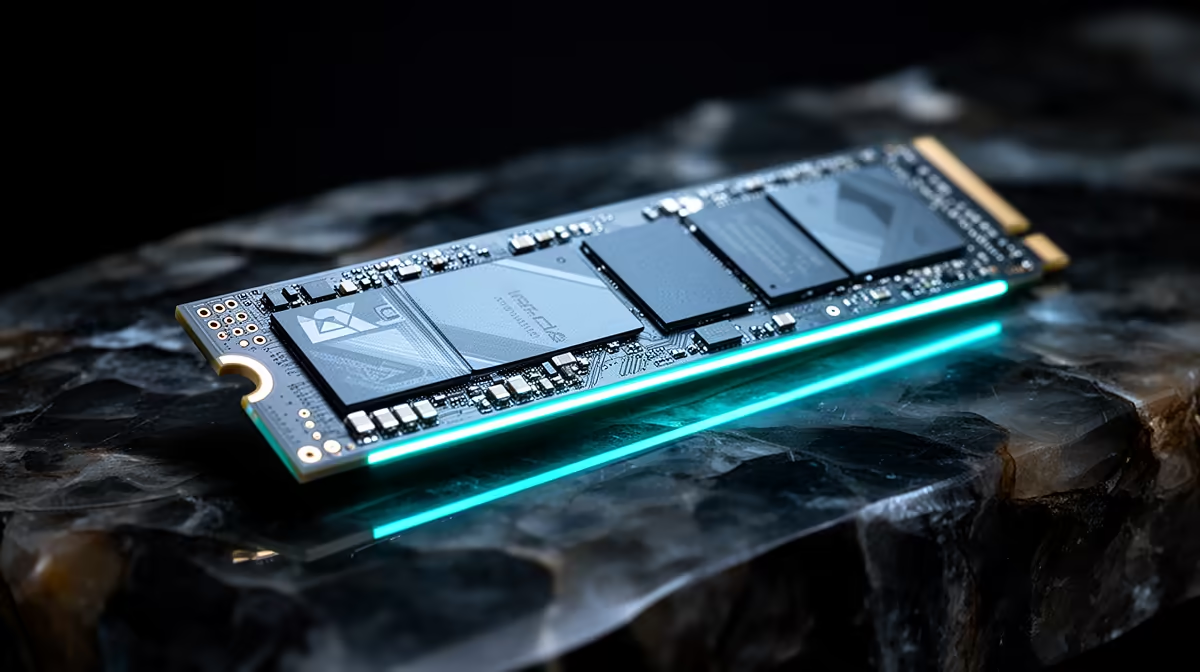
A desktop M.2 slot takes a full 2280 NVMe drive with room for a heatsink, so it stays cool and holds sustained speeds, and you can add more drives easily. A laptop often has a single M.2 slot, sometimes the smaller 2230 size in thin machines, with limited cooling that can throttle a drive under heavy writes. Capacity upgrades are simple on a desktop but may be the only upgrade a sealed laptop allows. Per-gigabyte, desktop drives and standard 2280 sticks usually cost less than tightly specified laptop modules.
Choosing By Use Case
For a stationary gaming or work PC, a desktop with a 1TB or 2TB Gen4 NVMe gives the best value, easy expansion and steady performance for large game installs and project files. For a student or professional who carries the machine, a laptop NVMe is the practical choice, but confirm the size (2280 or 2230) and whether the drive is even socketed before planning an upgrade. Some thin laptops solder storage, ruling out a later swap entirely.
Buying Smart In SA
A 1TB Gen4 NVMe at R1,200-R1,800 suits most builds, with 2TB around R2,200-R3,000 for large game libraries. For a desktop, buy a 2280 drive and add a heatsink if the board lacks one. For a laptop, verify the M.2 size and socket first, since the wrong form factor or a soldered drive wastes the purchase. Match the drive to the platform, and weight capacity toward whichever machine holds your largest files and games.
FAQ
Are desktop NVMe SSDs cheaper than laptop ones in SA?
Generally yes, per gigabyte. Standard 2280 desktop drives and larger capacities usually cost less than the tightly specified or smaller 2230 modules thin laptops require.
Can I upgrade a laptop's NVMe drive?
Sometimes. Confirm the M.2 size (2280 or 2230) and that the drive is socketed, not soldered. Thin and ultraportable laptops occasionally solder storage, which rules out any later upgrade.
Does a laptop NVMe drive run slower?
It can under heavy sustained writes, because tight laptop cooling lets drives throttle. A desktop drive with a heatsink holds speeds better, though both feel similar for everyday use and gaming.
and easy upgrades pick a 2280 desktop NVMe; for a laptop, confirm the M.2 size and that the drive is socketed before counting on a future swap.