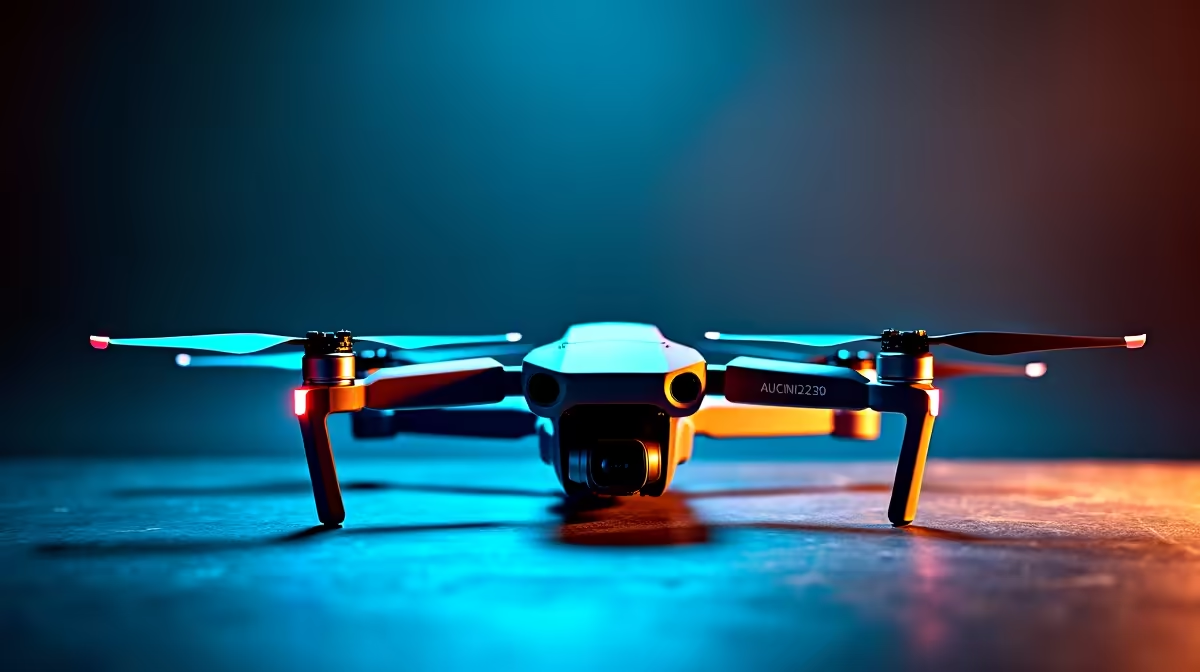
Buy a drone in South Africa and the first worry is usually paperwork: do you have to register it before you can fly? The honest answer turns on one word, recreational. Under SACAA Part 101, registering a drone in South Africa is not required for private, non-commercial flying with an aircraft under 7kg, as long as you follow the operational rules. The moment money or business enters the picture, the entire regulatory picture changes.
Quick Answer
For purely recreational drones under 7kg flown privately, no SACAA registration or licence is needed, provided you obey all Part 101 rules. Any commercial drone operation, regardless of weight, requires an ROC (Remotely Piloted Aircraft Operator Certificate) and the pilot must hold an RPL. Recreational versus commercial is the line that decides everything.
The Rule That Decides Everything: Recreational or Commercial
South African drone law under SACAA Part 101 splits the world cleanly. If you fly your drone for fun, with no payment, no business use and no service rendered, you are a recreational pilot. If you earn anything, fly for a company, or provide a service like photography, surveying or inspection, you are operating commercially, even if the drone is small and the job is once-off.
This distinction matters more than the drone's price or size for most hobbyists. A recreational pilot with a sub-7kg drone has no registration requirement at all. A commercial operator faces a full certification process no matter how light the aircraft.
Recreational Flying: What You Can Do Without Registration
The Weight Threshold
Part 101 allows recreational pilots to fly drones under 7kg for private, non-commercial use without registration or a licence. The 7kg figure is the line for this exemption. Most consumer and prosumer camera drones sit well under it, which is why the typical hobbyist buying a drone for weekend flying does not need to register anything.
The Rules You Still Must Follow
"No registration" is not "no rules". The exemption only holds if you obey the Part 101 operational requirements. In practice that means flying within visual line of sight, keeping below the legal height limit, staying clear of airports, controlled airspace and manned aircraft, not flying over crowds or people who have not consented, respecting privacy and property, and keeping a safe distance from buildings and roads you do not control. Break these and the recreational exemption stops protecting you.
Common Recreational Mistakes
The frequent error is assuming "recreational" covers a wide grey zone. Posting drone footage is fine; being paid for that footage is commercial. Flying over a friend's wedding for fun is one thing; being hired to film it is another. The intent and any payment are what shift you across the line.
Commercial Operations: A Different World Entirely
ROC and RPL
Commercial drone operations of any weight require an ROC for the operating entity, and the pilot in command must hold an RPL (Remote Pilot Licence). This is a structured, regulated path involving training, testing, medical and language requirements for the licence, and an operating certificate for the business. There is no sub-7kg shortcut here; the weight exemption is strictly a recreational concession.
Why the Bar Is Higher
The reasoning is straightforward. Commercial operations tend to fly more often, in more varied environments, and frequently near people or property for hire. The certification regime exists to ensure operators are trained, insured and accountable. If your drone use is in any way tied to income or business, plan for the full ROC and RPL process rather than hoping the recreational exemption applies.
Buying a Drone in South Africa: Practical Notes
For a recreational buyer, the registration question is simpler than the internet makes it sound: stay under 7kg, fly privately for fun, follow Part 101, and you are clear. Choose a drone with good return-to-home and geofencing features, because those help you stay inside the rules and out of restricted airspace. The smart home and connected device range at Evetech covers the kind of gear hobbyist flyers often pair with their setup, with locally relevant pricing.
If you are kitting out a flying hobby with spare batteries, props, cases and storage for your footage, the accessories best sellers page shows you what SA pilots are actually adding to their setups. And if there is any chance your flying becomes commercial later, factor the ROC and RPL path into your plans from the start rather than retrofitting compliance afterwards.
Who This Applies To
A student filming for fun, a parent flying with the kids, a hobbyist chasing landscape shots over the Cape: all recreational, all exempt from registration under 7kg if the rules are kept. A photographer charging for aerial shots, an estate agent filming listings, an inspection contractor: all commercial, all needing an ROC and RPL regardless of how small the drone is. Knowing which side you are on before you fly saves a great deal of trouble.
Frequently Asked Questions
Do I need to register a recreational drone in South Africa?
No, provided it is under 7kg and flown privately for non-commercial purposes, and you follow all Part 101 operational rules. There is no registration or licence requirement for that recreational use.
What is the weight limit for the recreational exemption?
7kg. Recreational drones under 7kg flown for private, non-commercial use fall under the no-registration exemption. Most consumer camera drones sit well below this figure.
When does a drone become a commercial operation?
The moment it is used for payment, business or a service of any kind, photography for hire, surveys, inspections and the like. Commercial use requires an ROC and an RPL regardless of the drone's weight.
What are the ROC and RPL?
The ROC is the Remotely Piloted Aircraft Operator Certificate that a commercial drone business must hold, and the RPL is the Remote Pilot Licence the pilot in command must hold. Both are mandatory for commercial operations.
Does "no registration" mean there are no rules for recreational flying?
No. The exemption only holds while you obey Part 101: visual line of sight, height limits, distance from airports, people and property, and respect for privacy. Break those and the exemption no longer protects you.
Can I post or share my recreational drone footage?
Yes, sharing footage for fun is fine. You only cross into commercial territory once you are paid for the footage or fly as part of a business or service.
Getting into drone flying the right way? Browse the connected gear and accessories in the smart home range at Evetech to kit out your setup, and keep your flying recreational and under 7kg to stay clear of registration.