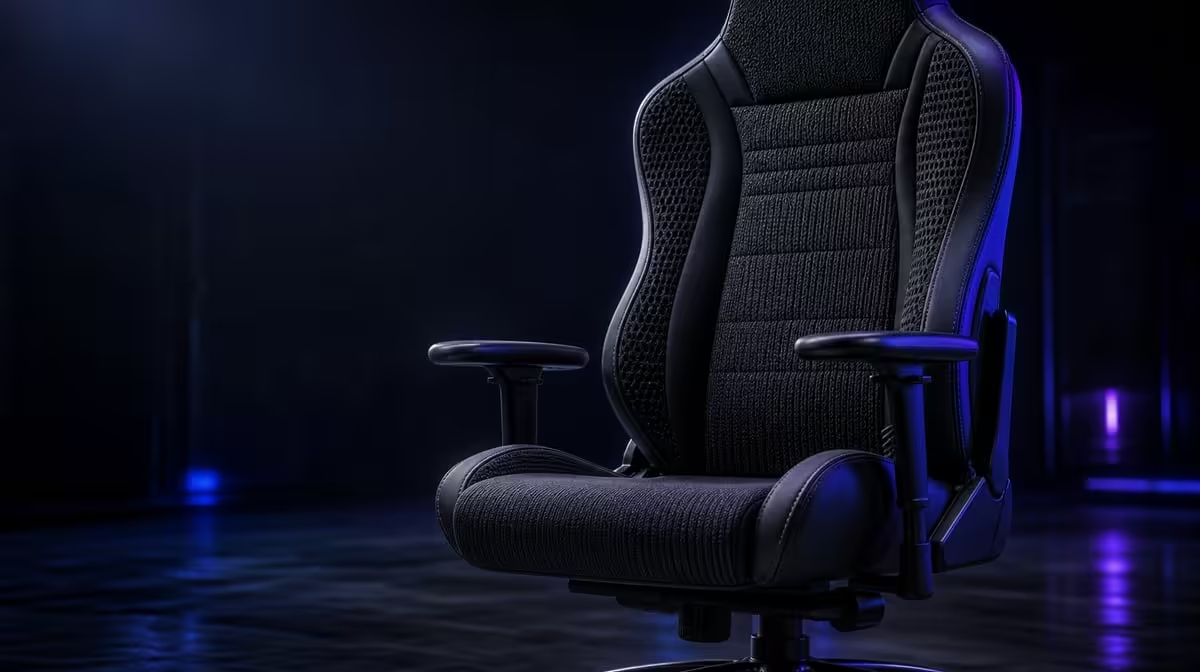
Breathable chair materials aim to manage the heat and moisture that develop where the body remains in contact. Breathable chair materials and ventilation should be judged through model-specific design and realistic room conditions, not the material name alone. The R8,599 noblechairs HERO Black Edition combines breathable PU covering with styled air channels.
Quick Answer
The HERO's covering and air channels support ventilation at chair contact areas. They cannot lower room temperature, replace airflow or guarantee that every user remains cool. At R8,599, assess the material during normal work and gaming while keeping support fit, clothing and movement visible.
🌬️ Define breathable in practical terms
Breathability concerns the behaviour of the chair surface around body contact. It is not a room-cooling specification.
Air channels add physical detail intended to support ventilation, while the covering provides the broader contact material. These are related but distinct features.
Do not treat all PU chairs as identical. The HERO's known construction should be compared with the stated design of each alternative.
Think of ventilation as a chain: room air has to reach the chair area, the surface design has to avoid unnecessary blockage and the user still needs movement. One link cannot replace the others.
Identify the exact contact areas that feel warm instead of rating the whole chair with one word. Seat, lower back and upper back can behave differently as posture changes.
Keep the HERO clean before testing. Dust in details or moisture from recent care creates a condition that should be corrected, not treated as material performance.
Judge the HERO's breathable covering and styled air channels through comfort during a representative seated session.
Evetech's noblechairs gaming chair range gives the material claim direct product context.
🌡️ Keep the room in the test
Record room conditions, clothing and session length. A cooler hour or lighter layer can be mistaken for a better covering.
Check whether furniture or added covers block air movement around the backrest. Test the chair as configured before adding another layer.
Use the same work and gaming tasks for comparisons. Different hand positions change torso contact and can affect warmth.
Stand and move during long sessions. The break reduces continuous contact and should receive its own credit.
Use a repeated timeline: begin the task, note the first heat change, take a normal break, return and note how quickly the experience rebuilds. This produces a practical observation without laboratory language.
Try another day when possible. South African room conditions can vary, and one unusually cool session should not settle the material decision.
Check clothing layers and keep them similar across chairs. A material comparison is weak when the user changes what sits between body and covering.
Room airflow improvements can work with the HERO's breathable design. Describe the combination honestly rather than attributing the full change to one source.
Compare other material approaches through Evetech's gaming chair category.
🪑 Separate ventilation from ergonomic fit
Tune the HERO's lumbar depth gradually and position the enlarged 4D pads beneath relaxed forearms. Poor desk reach can concentrate contact and distort the material result.
The steel frame and up-to-150kg user design provide structural filters, not ventilation.
A cooler surface cannot rescue a backrest or armrest mismatch. Mark critical fit failures before scoring heat.
Shared users need separate trials because body proportions, clothing and settings change contact.
Tune lower-back depth before the warm test so the user is not leaning away from an uncomfortable setting. Support and ventilation should each receive a fair baseline.
Place the enlarged pads under the forearms and record their position. A different shoulder or torso relationship changes contact with the backrest.
The 150kg user design filters intended use, while the steel frame describes structure. Neither tells the buyer whether the PU surface suits their warm room.
Compare fabric or other PU chairs by their specific stated construction. Avoid generic claims that one material always feels cooler.
A chair can pass ventilation and fail the desk. Mark critical support or clearance problems before assigning premium value.
🧽 Include care and repeatability
Begin with a clean, dry PU surface. Remove dust gently, use limited moisture on small areas and dry promptly.
Run the test on more than one realistic session where possible. Note where heat begins and whether improved room airflow changes the result.
Assess the breathable covering and styled air channels through direct comfort in the intended room and session.
Use a care checklist: lift loose dust, spot-clean gently with minimal moisture, dry fully and keep abrasive contact away. Test only after the ordinary surface is restored.
If an added seat or back cover is part of daily use, first understand that it changes the original chair result. The baseline article should evaluate the HERO without that unconfirmed layer.
At R8,599, score ventilation beside lumbar control, 4D pads, steel construction and intended range. The surface feature is valuable when it matters frequently and the rest of the chair fits.
Compare a less expensive suitable chair under the same conditions. A premium should solve an observed problem, not merely present a more detailed description.
At R8,599, ventilation is one part of a complete chair. Review alternatives in Evetech's premium gaming chair category, then check current availability after the material trial.
Create a small ventilation log instead of relying on a single first impression. Note room conditions, clothing, session duration and where warmth builds against the chair. Repeat the same routine with airflow unchanged. If the breathable covering and styled channels make the contact zone more manageable, the result should appear consistently across comparable sessions rather than only during a brief sit.
Surface comfort should then be checked against posture. Ask whether the user remains settled against the backrest, whether the chosen lumbar depth stays usable and whether the arms rest naturally on the enlarged pads. A cooler-feeling surface that does not fit the person is not an ergonomic win, while a supportive chair may still need better room ventilation.
Treat cleaning as its own variable. Dust, moisture or harsh products can change the everyday surface experience, so use gentle PU-appropriate care and allow the material to remain dry. This is practical maintenance, not a promise about years of service. The material test is complete when ventilation, fit, environment and care have each been observed separately.
Frequently Asked Questions
What does breathable mean for covering?
It describes a surface intended to manage contact heat and moisture better than a fully closed-feeling experience.
How do air channels differ?
They add ventilation-focused pathways to the chair surface.
Can a breathable chair feel warm?
Yes. Room temperature, clothing, session length and body contact still matter.
Why avoid judging PU alone?
Specific construction differs; the HERO adds breathable material and air channels.
Does ventilation change lumbar support?
No. Surface airflow and lower-back fit are separate.
How can room airflow help?
It improves the environment around the user, complementing rather than replacing chair ventilation.
What role do standing breaks play?
They interrupt continuous contact and allow posture change.
What is the best comparison?
Use similar room conditions, clothing, tasks and session length for both chairs.
Can an added cover improve the baseline test?
No. It changes the chair's original surface and should be evaluated separately.
Ready to compare chair ventilation under repeatable South African room conditions?
Browse Evetech gaming chairs and test the HERO's material alongside fit, airflow and movement.