A keyboard decision tree starts not with switch hype but with how you use the board day to day, because typist, gamer, and hybrid needs pull in different directions.
Quick Answer
Pick a keyboard by primary use first. For fast-paced gaming, favour low-latency linear or magnetic switches; for heavy typing, tactile switches and a comfortable layout matter more. Quality mechanical boards in SA run from around R900 for solid entry units to R3,500 for premium hot-swap models.
The Branches That Matter
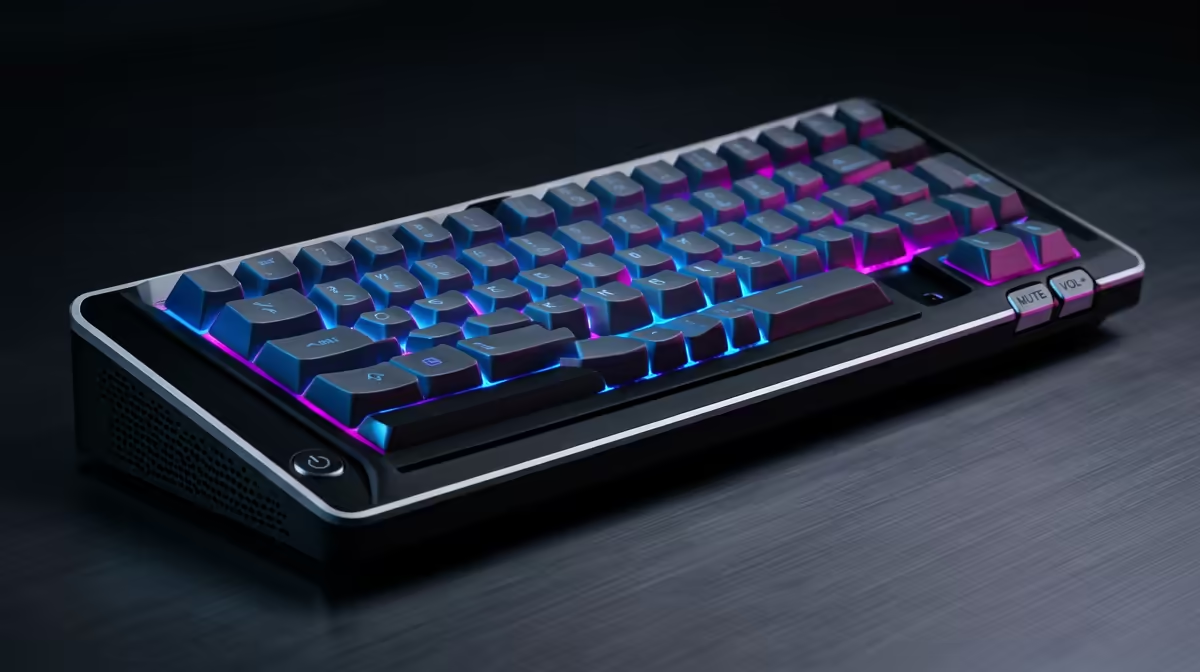
Branch one is use case. Competitive players benefit from linear or analog Hall-effect switches with adjustable actuation; writers and coders often prefer tactile feedback that reduces typos. Branch two is layout: full-size suits number-heavy work, while tenkeyless and 65 percent boards free desk space for mouse sweeps.
Branch three is connectivity and build. A wired board removes any latency question for esports, while a hot-swap socket lets you change switch feel later without a new board.
Switch Feel Versus Practical Fit
Switch choice gets the attention, but layout and stabiliser quality affect daily comfort just as much. A wobbly spacebar annoys far more than a slightly wrong switch. Where possible, test the feel in person, since switch preference is genuinely personal.
FAQ
Are magnetic Hall-effect switches worth it for gaming?
For competitive players, the adjustable actuation and rapid trigger can help. For casual or typing-led use, a good linear or tactile switch is plenty.
Should I buy a hot-swap keyboard?
If you are unsure of your switch preference or like tinkering, hot-swap lets you change switches later without soldering, which adds long-term flexibility.
Is tenkeyless better than full-size for gaming?
Tenkeyless frees room for wide mouse movements, which helps low-sensitivity players. Choose full-size only if you regularly use the number pad.
layout before chasing switch types; a 65 percent or tenkeyless board often improves aim room more than any switch upgrade.