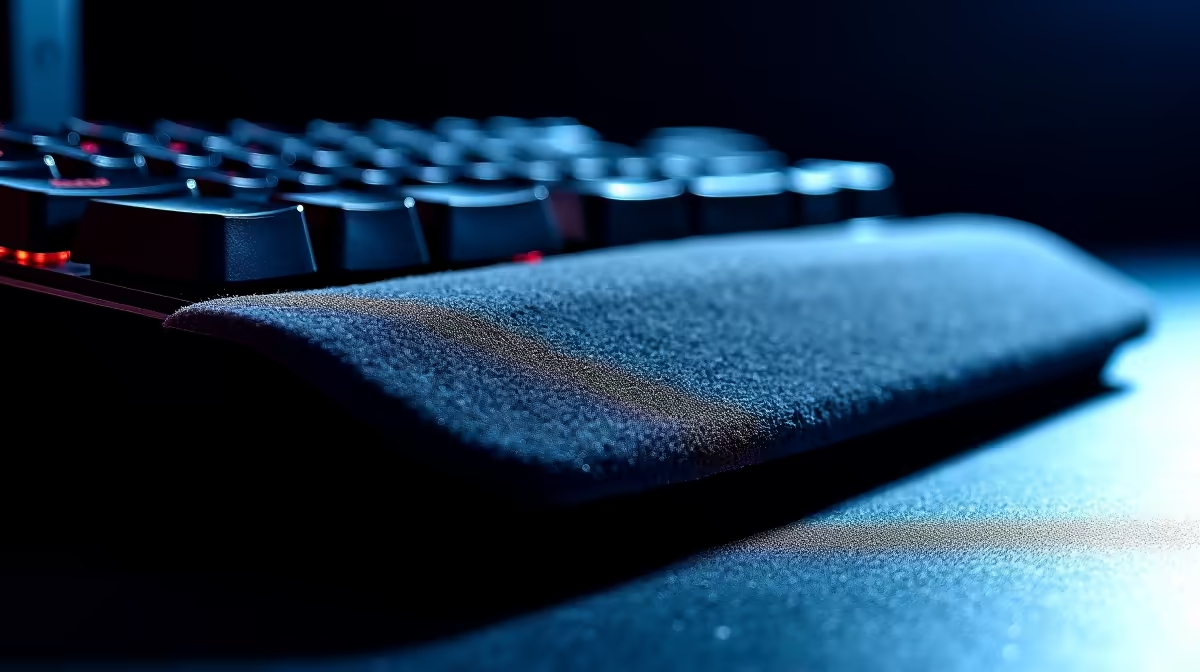
The choice between memory foam and hard plastic palm rests looks like a comfort preference on the surface, but it is actually a question of pressure distribution physics. How a material handles the concentrated load of a wrist resting against it for hours determines both the comfort outcome and the long-term health outcome. The two materials take opposite approaches to that problem, and understanding why each works the way it does makes the right choice obvious for your situation.
Quick Answer
Memory foam distributes wrist pressure across a wider contact area by moulding to the palm shape, reducing peak load at any single point. Hard plastic holds its shape permanently but concentrates the load on the bony prominence of the wrist. Foam suits long typing sessions; plastic is more durable and easier to clean but can cause pressure discomfort over several hours.
🧠 The Physics of Pressure Distribution
When you rest a wrist on a hard flat surface, the contact area is small. The bony prominence at the base of the hand -- the pisiform and the distal radius -- bears most of the load at a single point. The pressure at that point is the full weight of the hand and forearm divided by a few square centimetres. Over a short period this is unremarkable. Over several hours of sustained contact it becomes a concentrated pressure source that can leave the wrist sore and marked.
Memory foam changes this by doing something no rigid material can: it deforms under load in a way that increases the contact area rather than resisting it. As the wrist presses into the foam, the material moulds upward around the sides of the hand, adding dozens of square centimetres to the surface in contact. The total load -- the weight of the wrist -- is now divided across a much larger area. Peak pressure at any individual point drops substantially, which is why foam rests feel softer not just because they are compressible, but because they actively redistribute the force.
Hard plastic does not do this. It is an inert surface that holds its geometry under any load the wrist can apply. The contact area never increases, so the pressure at the bony contact points never decreases.
🔆 Durability: Where Plastic Wins Clearly
The foam advantage in pressure distribution comes with a finite lifespan that plastic does not share. Memory foam is a viscoelastic material -- it returns to its original shape after compression, but not indefinitely. Each compression cycle slightly fatigues the cellular structure, and after twelve to twenty-four months of daily use most foam rests show visible permanent compression. The surface stays sunken even when no wrist is on it, which signals that the material has lost the rebound property that made it useful.
Hard plastic does not fatigue this way. A quality rigid rest can survive years of desk use without structural change. The contact surface stays consistent on day one and day five hundred. For a desk environment where durability is valued above comfort, or where the rest is used only occasionally rather than across a full working day, plastic's longevity is a straightforward practical advantage.
✨ Cleaning and Desk Hygiene
Hard plastic surfaces are the easiest category of desk peripheral to maintain. A damp cloth clears grease, dust, and liquid spills in seconds without any risk of damage. There is no fabric weave to harbour particles and no foam structure that can absorb moisture if the cleaning goes slightly too far. For a hot-desk environment or a shared workstation, plastic's cleanability is a genuine benefit.
Memory foam with a fabric or mesh cover requires more care. The cover surface needs regular wiping with a minimally damp cloth, and it should never be submerged or heavily saturated. Fabric covers can absorb and hold skin oils over time, developing a surface residue that needs consistent maintenance to prevent odour and discolouration. In a South African summer, where palm rests see more moisture, this maintenance gap between plastic and foam becomes more relevant.
Pro Tip ⚡
If you want foam comfort with easier maintenance, look for a palm rest that has a removable and hand-washable cover rather than a fixed fabric surface. You get the pressure-distribution benefit of foam with the option to wash the contact surface properly rather than just wiping it. These are common in the mid-tier ergonomic range between R200 and R450.
🎯 Matching the Material to the Use Case
The practical decision splits along two axes: how long you type per day, and how much you value longevity versus comfort.
For someone typing four or more hours daily, memory foam is the ergonomic choice. The pressure distribution advantage matters most over sustained sessions where a rigid surface would impose consistent load on the same bony points. The foam's finite lifespan is an acceptable trade-off for daily-use comfort, and planning a replacement after twelve to twenty-four months is a manageable cost.
For someone using the keyboard for a few hours a day at most, the case for foam is weaker. Shorter sessions do not accumulate the strain that justifies foam's maintenance overhead and replacement cycle. A well-made plastic rest at a lower price holds its value over years and delivers adequate comfort for light to moderate use.
Medium-density foam near 50 kilograms per cubic metre is the specification to look for if you want foam that behaves closer to plastic in terms of support -- it resists full compression while still distributing pressure, rather than sinking so far that the wrist eventually contacts the keyboard surface below.
Frequently Asked Questions
Why does memory foam reduce wrist pressure more effectively than hard plastic?
Memory foam deforms under load in a way that increases the surface area in contact with the wrist, spreading the same total weight across a larger region and reducing the concentration of pressure at any single point. Hard plastic maintains a fixed surface geometry regardless of load, so the contact area stays small and the pressure at the bony wrist points remains concentrated. The foam's softness is a side effect of this redistribution, not the cause of the ergonomic benefit.
How long does a memory foam palm rest last before it needs replacing?
Under daily use the structural rebound of memory foam degrades over twelve to twenty-four months. The visible sign is permanent compression -- the surface stays sunken after pressure is released rather than returning to its original profile. At that point the material is no longer distributing pressure effectively and should be replaced. Light or occasional use extends this timeline, while heavy use in warm conditions can shorten it.
Is hard plastic genuinely more durable than foam for a shared desk?
Yes, significantly. Rigid plastic does not fatigue under repeated loading the way foam does, and it does not absorb moisture or develop the surface residue that fabric-covered foam collects over time. For a hot desk used by multiple people, or a workstation where durability and ease of cleaning are the priority, plastic outlasts foam by a substantial margin.
Can a hard plastic rest cause wrist pain if used all day?
Yes. Sustained contact between the bony wrist prominences and a rigid, unyielding surface concentrates pressure at a small number of points across the session. Over several hours this leaves the area sore and, in some cases, visibly indented. The pain is not immediate, which is why the connection between the surface type and the discomfort is often missed. Switching to a foam rest and noticing the improvement retrospectively is how most people make the connection.
What foam density best combines plastic's firm support with foam's pressure relief?
Medium-density foam near 50 kilograms per cubic metre offers the best balance. It compresses enough to increase contact area and distribute pressure, but resists full compression under normal wrist weight, so the wrist does not sink far enough to lose the height difference between the rest and the keyboard surface. Softer foam provides more initial give but can compress flat under heavier hands, reducing its effectiveness over time.
Ready to choose the right wrist support for your desk hours?
Browse the keyboard palm rest range covering both memory foam and rigid options, and match the material to how long and how often you type each day.