Quick Answer
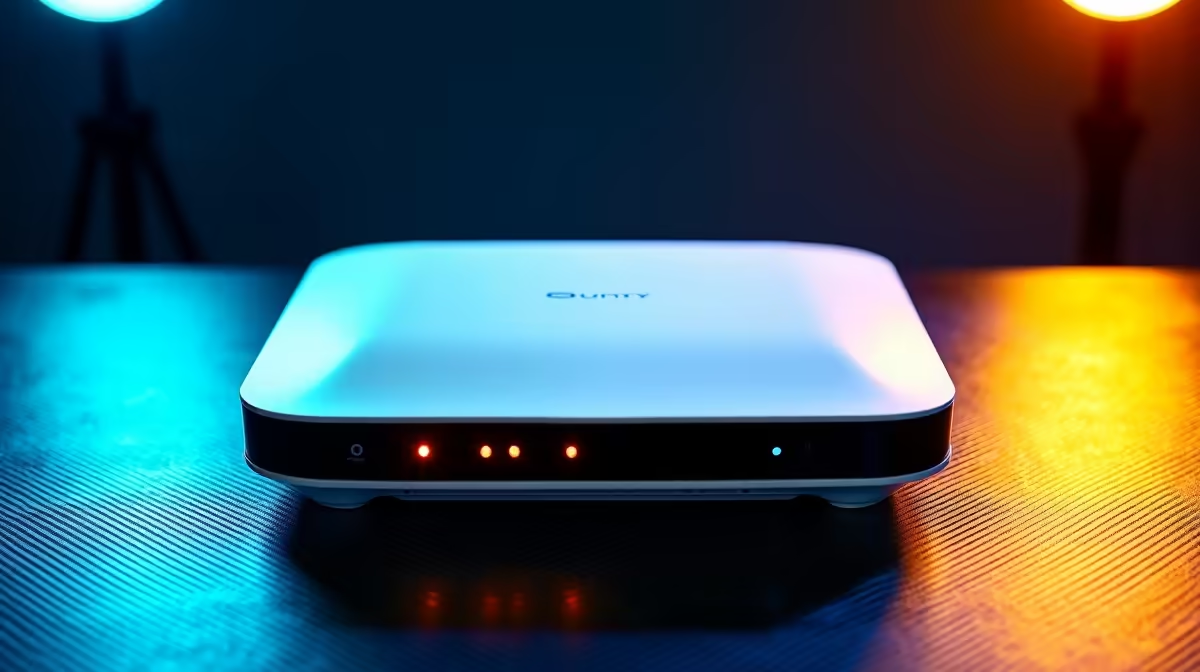
For whole-home Wi-Fi coverage in Benoni, a dual-band mesh system like the TP-Link Deco M4 (three-pack, R2,800) handles a standard 3-bedroom home, while the Eero Pro 6E (R5,500 for a two-node kit) suits larger properties or heavy multi-device households. Most Benoni buyers on Rain 5G or Openserve fibre need at least a two-node kit to eliminate dead zones.
What to Look for in a Mesh System
The key specs that separate entry-level from mid-range mesh kits are the Wi-Fi standard (Wi-Fi 5 vs Wi-Fi 6/6E), number of nodes, and backhaul method. Wi-Fi 6 nodes handle 20+ simultaneous devices without throughput degradation — critical for households streaming 4K, gaming, and running smart-home devices at the same time. A dedicated wireless backhaul (tri-band design) keeps the inter-node link separate from client traffic, which prevents the 50% bandwidth penalty you see on cheaper dual-band mesh systems.
Entry-Level vs Mid-Range: ZAR Price Comparison
At the R2,500–R3,500 mark, dual-band Wi-Fi 5 mesh kits cover up to 300 m² adequately for browsing and streaming. The TP-Link Deco M4 three-pack (R2,800) is the most widely stocked entry option. Stepping to R4,500–R6,500 unlocks Wi-Fi 6 with tri-band backhaul — the Eero Pro 6E two-node (R5,500) and TP-Link Deco XE75 two-node (~R4,800) both land here. Above R8,000 you get Wi-Fi 7 draft systems, but those are overkill for standard FTTH connections below 1 Gbps.
Benoni Setup Considerations
Benoni properties on the East Rand tend toward double-storey homes and cluster complexes where wall attenuation is a real issue. For double-storey layouts, place one node upstairs and one downstairs rather than both on the same floor. If your Openserve or Vumatel FTTH router is at the front of the house, a two-node kit positioned centrally and toward the rear will typically deliver -60 dBm or better across the whole floor plan — enough for reliable 4K streaming and under-20ms gaming latency.
FAQ
Will a two-node mesh system cover a standard Benoni cluster home?
Most cluster homes in Benoni range from 100–180 m², which a two-node Wi-Fi 6 kit handles comfortably. If walls are brick-and-mortar rather than drywall, add a third node or choose a system with a wired backhaul option for the best results.
Do mesh systems work with Rain 5G home routers?
Yes — connect the mesh system's primary node to the LAN port of your Rain 5G router in access-point or bridge mode. The mesh then handles all internal routing. Rain 5G averages 50–100 Mbps download in most Benoni coverage areas, which a Wi-Fi 5 kit handles with headroom to spare.
Is Wi-Fi 6E worth the premium for a home network in SA?
Only if you have Wi-Fi 6E client devices (most 2023+ flagship smartphones and gaming laptops support it) and a Vumatel or Openserve gig line. For sub-100 Mbps connections, Wi-Fi 6 is sufficient and saves you R1,500–R2,000 over 6E kits.
primary mesh node within 2 m of your fibre ONT for the cleanest wired backhaul connection — this alone can add 30–50 Mbps to your peak wireless speeds across the network.