

Black Myth: Wukong 2 Ultrawide Support: 21:9 and 32:9 Setup Guide
Black Myth: Wukong 2 Ultrawide Support: 21:9 and. Clear setup instructions with SA-specific considerations, troubleshooting tips & recommended components.
Read moreLearn quick fixes to make your mic sound 10x better 🎙️. Improve audio quality for streaming, recording & calls.

"Aweh, team!"... "Can you hear me?"... "Guys, my mic is broken again!" 🎤 If that sounds familiar, you're in the right place. Nothing kills a clutch moment in Valorant or a chilled Discord chat faster than a dodgy mic. Before you rage-quit or throw your headset across the room, take a breath. Most audio issues have surprisingly simple solutions. We've compiled the ultimate guide to common mic sound fixes so your squad can hear every callout, crystal clear.
Before diving into complex software, let's cover the basics. These simple checks solve more problems than you'd think and are the foundation for any good mic sound fix.
First, check the physical connections. Is your 3.5mm jack or USB cable plugged in securely? Try a different port... sometimes a faulty USB port is the real culprit. Also, check for a physical mute button on your headset or mic itself. We've all been there.
Next, dive into your Windows Sound settings (right-click the speaker icon in your taskbar). Under the "Recording" tab, ensure your primary microphone is set as the "Default Device." Speak into it and see if the green bar moves. If it's too low, open its Properties, go to the "Levels" tab, and crank up the volume. Getting these fundamentals right is crucial before looking at more advanced quality streaming essentials.
Still no sound? Sometimes the oldest trick is the best. A simple PC restart can reset audio drivers and services, instantly fixing mysterious mic issues. It’s a classic for a reason!
If the hardware basics are sorted, it's time to look at your software. Your problem might not be the mic, but how apps like Discord, OBS, or the game itself are processing the audio. ⚡
Most communication apps have their own audio settings. In Discord, head to "Voice & Video" and run a "Mic Test." Experiment with toggling "Noise Suppression" and "Echo Cancellation" on and off. Sometimes these features, especially on lower-end hardware, can distort your voice. Ensure the correct "Input Device" is selected here, too. For streamers, software suites like iCUE, which works with Corsair's range of headsets and mics, offer powerful equalisers and controls to fine-tune your sound.
For those with NVIDIA or AMD graphics cards, you have a secret weapon. NVIDIA Broadcast (for RTX cards) and AMD Noise Suppression are incredible tools that use AI to eliminate background noise, from a clicking mechanical keyboard to a whining fan. This is one of the most effective ways to fix microphone sound if you live in a noisy environment.
Tried everything and your voice still sounds like it's coming through a tin can? It might be time to admit your current mic has served its tour of duty. A hardware upgrade is the most definitive mic sound fix of all.
You don't need to spend a fortune to get incredible audio quality. Modern USB condenser mics offer plug-and-play simplicity with a massive leap in clarity over standard headset mics. If you're serious about streaming or content creation, investing in a quality microphone is non-negotiable. It elevates your entire production value, creating a more professional setup, right down to the ambient lighting that sets the mood. You can find plenty of great options under R6000 that will make you sound like a pro.
Ready for a Real Audio Upgrade? Stop letting a bad mic hold you back. Explore our massive range of microphones and headsets guaranteed to make you heard. Shop now at Evetech for audio quality that gives you the competitive edge.
Adjust mic placement, clean the filter, and adjust input levels for clearer audio.
Use 16-bit/44.1kHz for most recordings and position the mic 6-12 inches away.
Use a pop filter, shock mount, and avoid background interference.
Check your audio drivers, sample rate, and internet connectivity.
Try a better preamp, acoustic foam, or software like Audacity for noise reduction.
Use noise cancellation software and position the microphone properly.
It’s unwanted background noise often caused by electrical devices near the microphone.
Record a sample and check for clarity, static, and volume consistency.
Black Myth: Wukong 2 Ultrawide Support: 21:9 and. Clear setup instructions with SA-specific considerations, troubleshooting tips & recommended components.
Read more
Setting Up HDMI 2.1 Cable. Tested & verified settings for best FPS and visual quality on SA hardware budgets.
Read more
Every spec on PCIe 5.0 explained in plain English. What matters for gaming and creator work in 2026, what's marketing fluff, and how each number translates to real-world performance.
A head-to-head look at WiFi 7: real-world performance, ZAR pricing and which option delivers better value for SA builders. The clear answer — no fluff.

Everything you need to set up and tune PCIe 5.0 properly: the prep work, the settings that actually matter, and the mistakes to skip. Written for SA builders in 2026.
Everything you need to set up and tune X870E Motherboard properly: the prep work, the settings that actually matter, and the mistakes to skip. Written for SA builders in 2026.
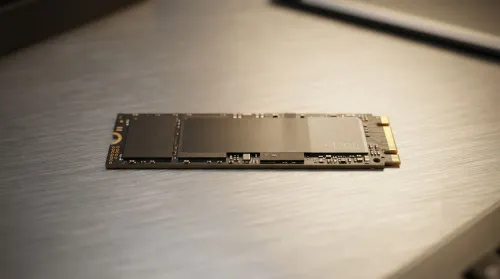
Wondering what a 512GB SSD capacity really holds? This guide breaks down how many games, photos, and documents fit on 512GB, with real-world ranges 📦💾
Every spec on vrm explained in plain English. What matters for gaming and creator work in 2026, what's marketing fluff, and how each number translates to real-world performance.
Every spec on motherboard explained in plain English. What matters for gaming and creator work in 2026, what's marketing fluff, and how each number translates to real-world performance.
Premium vs Midrange Motherboards in South Africa: real-world performance, SA pricing, power draw and which one delivers better value for your build for SA buyers. The clear answer — without the fluff.
Wondering what a 512GB SSD capacity really holds? This guide breaks down how many games, photos, and documents fit on 512GB, with real-world ranges 📦💾
Every spec on PCIe 5.0 explained in plain English. What matters for gaming and creator work in 2026, what's marketing fluff, and how each number translates to real-world performance.
A head-to-head look at WiFi 7: real-world performance, ZAR pricing and which option delivers better value for SA builders. The clear answer — no fluff.
Every spec on USB4 explained in plain English. What matters for gaming and creator work in 2026, what's marketing fluff, and how each number translates to real-world performance.