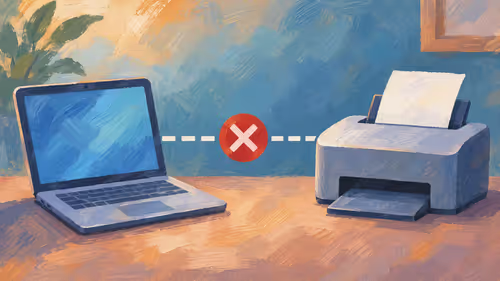
Capturing audio without a laptop or phone in the chain is the whole point of this kit. A mic with recorder built in stores your audio on its own memory card or internal storage, so a flat battery in your phone or a crashed app cannot erase a once-off interview. Whether you need one depends on how often you record away from a desk.
Quick Answer
You need one if you record interviews, field audio or events where a laptop is awkward, or you want a local backup of every take. Mics with a built-in recorder usually cost about R1,500 to R5,000 depending on the capsule, storage and whether they also work over USB. If you record mostly at a desk, a normal USB or XLR mic is cheaper and simpler.
🎙️ What a Built-In Recorder Actually Does
These mics add a small recording engine behind the capsule. You press record and the sound goes to a microSD card or internal flash as a WAV or MP3 file. Many also work as a plain USB mic when plugged into a PC, so one device covers both jobs.
Typical features to look for
- A card slot, with a note of the biggest card size it supports.
- A headphone output, so you can monitor while recording.
- A gain control or limiter to stop loud speech clipping.
- Battery life stated for continuous recording, not standby.
Check your exact model before relying on any of these. Specs differ a lot between brands, and some cheap units skip monitoring entirely.
Why it matters on location
Without a computer, there is less to carry and less to fail. Cables, adapters and a phone-based recorder app are all separate points of failure. A single device with a card and a power switch is easier to set up in a hurry.
🎒 Who Really Needs One
Interviewers, journalists, content creators who walk and talk, and anyone recording on the road benefit most. Think of a road trip along the N1 or N3 where you stop to record a voice note, or a field interview where the venue has no seat and no power.
It also helps if mobile data is weak. A backup file stored on the mic does not depend on a signal, so a dropped LTE connection during a remote session cannot wipe the local copy of your side of the conversation.
For a fixed desk or a gaming stream, you rarely need it. A USB or XLR mic feeding recording software gives you more control and monitoring, and software can record your voice on its own track. Plain USB and XLR types are easy to compare against recorder-equipped ones in the microphone range.
🔄 Recorder Mic Versus Mic Plus Phone
A mic plus phone is cheaper if you already own the phone. Most Android phones in South Africa have USB-C, and a USB mic that supports mobile use plugs in with a small adapter at most. The phone then records through an app, and the audio quality can be excellent.
The weak spots are the app, the phone's battery and notifications that interrupt a take. Put the phone in aeroplane mode before recording, and keep a charger or power bank handy.
A recorder mic has none of that. It does one job. The trade-off is usually a smaller user interface, fixed storage and less flexibility, so editing and file naming happen after you get home.
Mic plus separate recorder
A third route is a lavalier or handheld mic feeding a separate pocket recorder. This gives better monitoring and more channels, but adds cables and another battery to carry. A built-in unit is simpler if you work alone.
Getting recordings onto your PC
Files move by one of three routes:
- Plug the mic into your PC with a USB cable, and it appears as a drive.
- Remove the microSD card and use a card reader.
- Use the maker's app, if the mic has Bluetooth or Wi-Fi transfer.
Copy the files across before wiping the card, and keep a second copy on a drive or cloud storage. A fast card matters less than a reliable one. Format the card in the mic itself before an important job.
Setup habits that save a take
Do a ten-second test before every session and play it back in headphones. Set the gain so peaks sit around the upper-middle of the meter. A foam windshield cuts breath and wind noise, and a clip or small stand keeps the mic steady. Windshields, arms and cables are grouped under streaming essentials.
Label files straight after recording, with the name and date. A card full of "REC0001" files is a puzzle to untangle a week later.
Battery and storage planning
Check the stated battery life, then halve it for safety on a cold morning or a long shoot. A 32 GB card holds many hours of speech at standard WAV quality, but ask your exact model what format and rate it uses before you count on a number.
Frequently Asked Questions
What is a microphone with a built-in recorder?
It is a mic that stores audio on its own memory card or internal storage, with no computer or phone needed. Many also work as a USB mic when connected to a PC.
Who really needs one?
People who record interviews, field audio or events away from a desk, or who want an automatic local backup of every take.
Is a mic with recorder better than a mic plus phone?
It is simpler and has fewer failure points, but a mic plus phone costs less if you already own the phone and gives more flexible apps.
How do I get the recordings onto my PC?
Connect it by USB so it shows as a drive, pull the microSD card into a reader, or use the maker's app where transfer over Bluetooth or Wi-Fi is supported.
Will it still record on poor mobile signal?
Yes. Recording to the device's own memory does not use the network at all, so a weak LTE signal does not affect the file.
Can a lavalier mic feed a separate recorder?
Yes. A lav feeding a pocket recorder gives better monitoring and extra channels, though it adds another battery and cable to manage.
Ready to record anywhere without a laptop?
Compare USB, XLR and portable options in Evetech's microphone range before your next interview or trip.