

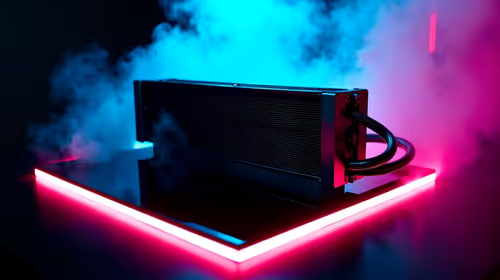
Complete Guide: Setting Up AIO Liquid 420mm
Setting Up AIO Liquid 420mm. Tested & verified settings for best FPS and visual quality on SA hardware budgets.
Read moreOffice chair adjustability explained: learn which adjustments — height, lumbar, tilt, armrests, seat depth — actually reduce pain and boost focus. Quick setup tips and checklist. 🪑✅
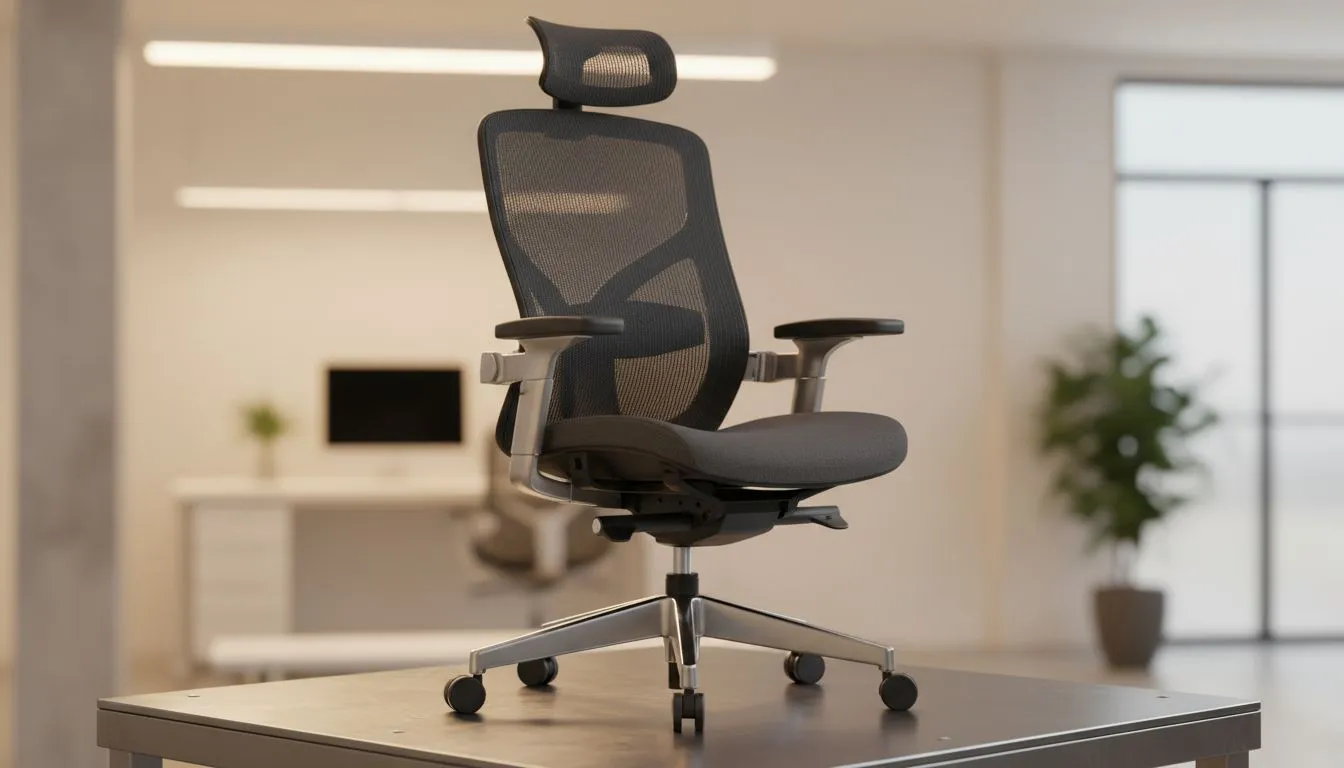
Whether you are grinding ranks in Apex Legends or tackling a mountain of spreadsheets, your throne determines your health. Most South Africans spend over eight hours a day seated, yet we often settle for "good enough" furniture. Understanding Office Chair Adjustability: Which Features Actually Matter is the difference between peak productivity and a literal pain in the neck. Let’s break down the essential mechanics. 🔧
The most critical factor in any ergonomic setup is how it supports the natural curve of your spine. Fixed backrests are a recipe for disaster. You need a chair that offers dynamic lumbar support... something that moves as you shift. High-quality office chairs should allow you to adjust the height and depth of the lumbar cushion to hit that sweet spot in your lower back.
If the chair doesn't maintain your "S" curve, you will inevitably start slouching. This leads to long-term strain that costs far more in physio bills than a decent chair. Many Enova Office Chairs feature breathable mesh that contours to your body while providing firm resistance where it counts.
We often focus on the backrest, but the seat pan is just as vital. Proper seat height ensures your feet are flat on the floor with your knees at a 90-degree angle. This optimises blood flow to your lower limbs. However, seat depth adjustability is the unsung hero of comfort.
If the seat is too deep, it cuts off circulation behind your knees... if it is too shallow, your thighs won't have enough support. Premium options like Hinomi Office Chairs allow you to slide the seat forward or backward, ensuring the chair fits your specific leg length perfectly.
Use the 'Two-Finger Rule' for seat depth. When sitting back fully, there should be a gap about the width of two fingers between the edge of the seat and the back of your knees. This prevents pressure on the popliteal veins and keeps your legs feeling fresh during long sessions.
Standard armrests that only go up and down are often insufficient. To truly eliminate shoulder strain, look for 4D adjustability. This allows you to change the height, width, depth, and angle of the armrests.
By angling the armrests inward while typing, you support your forearms without forcing your shoulders to shrug. This is a staple feature in the HBADA Office Chairs range, which focuses on sleek aesthetics without sacrificing these technical necessities. 🚀
Sitting still is actually bad for your discs. You need a chair that encourages "dynamic sitting." A good tilt mechanism with adjustable tension allows you to rock slightly or recline when taking a call. This movement rehydrates spinal discs and keeps your muscles engaged. Look for a tilt-lock feature that lets you secure the chair at various angles... perfect for those moments when you need to lean back and think.
Investing in a chair with these features in the R4,000 to R9,000 range is a long-term investment in your career and health.
Ready to Find Your Perfect Match? Your back deserves better than a standard kitchen chair. For maximum comfort, adjustability, and value in South Africa, our curated selection is designed to keep you supported. Explore our massive range of office chairs and find the perfect throne to conquer your workday.
Office chair adjustability means customizable settings like height, lumbar, tilt and armrests. It matters because it reduces strain and improves posture and productivity.
Adjustable lumbar support and seat depth are key for lower back relief. Follow an adjustable lumbar support guide to position the curve at your lumbar spine.
Set height so feet rest flat and knees form ~90 degrees. Proper height adjustment improves circulation and reduces hip and knee strain.
Yes. Armrest adjustability prevents shoulder hunching and wrist strain by aligning elbows close to the body and keyboard at elbow height.
Tilt tension controls resistance when reclining; recline angle distributes weight and eases spinal load. Proper tilt reduces sitting fatigue.
Yes. Seat depth adjustment ensures thigh support without pressure behind the knees, improving circulation and comfort for long hours.
Follow a checklist: set height, adjust lumbar, seat depth, armrests, headrest, and tilt tension. Use an ergonomic adjustments checklist for stepwise setup.
Setting Up AIO Liquid 420mm. Tested & verified settings for best FPS and visual quality on SA hardware budgets.
Read more
Intel XTU Download & Setup Guide: Intel CPU. Clear setup instructions with SA-specific considerations, troubleshooting tips & recommended components.
Read more
Cyberpunk 2077 Max Settings on RTX 4090. Tested & verified settings for best FPS and visual quality on SA hardware budgets.
Read more
The Complete Guide to GPU. Everything you need to know with SA pricing, step-by-step instructions & expert recommendations.
Read more
NVCleanstall Download & Setup Guide: NVIDIA. Clear setup instructions with SA-specific considerations, troubleshooting tips & recommended components.
Read more
to Driver Installation for Beginners. Everything you need to know with SA pricing, step-by-step instructions & expert recommendations.
Read more
AMD RX 9050 XT: Rumoured Specs, Price & Release. SA-focused analysis with local pricing data, real-world insights & actionable buying advice.
Can RTX 4080 Super Run AI Workloads for SA Developers Detailed answer with SA data, expert analysis & practical recommendations for local buyers.
Can RTX 4090 Run AI Workloads for SA Developers Detailed answer with SA data, expert analysis & practical recommendations for local buyers.
Top Settings for Intel Arc B580 at Ultrawide 1440p picks evaluated on performance, value & SA availability with current Rand pricing from Evetech.

RTX 4060 CS2 Low Settings at 1080p: FPS Results. Real-world benchmark data, FPS numbers & performance analysis. What SA gamers can actually expect.

Visual Artifacts: Possible GPU Issue Issue #1. Diagnosis steps, proven fixes & when to seek professional help. SA-specific support info included.
Can the RTX 4090 Handle 1440p 144Hz Gaming. Performance testing verdict with real data & practical recommendations for SA buyers.

Top ASUS GPU Under R15000 picks evaluated on performance, value & SA availability with current Rand pricing from Evetech.
GTA 6 Max Settings on RTX 5070. Tested & verified settings for best FPS and visual quality on SA hardware budgets.
Cyberpunk 2077 Max Settings on RTX 5080. Tested & verified settings for best FPS and visual quality on SA hardware budgets.
Starfield Max Settings on RTX 5070 Ti. Tested & verified settings for best FPS and visual quality on SA hardware budgets.
Top RTX 5090 Under R5000 picks evaluated on performance, value & SA availability with current Rand pricing from Evetech.