Understanding Optical vs Laser Gaming Mouse Sensors: Key Differences
Ever felt your crosshair jitter during a high-stakes clutch in Counter-Strike? It might not be your aim... it could be your sensor. Deciding between Optical vs Laser Gaming Mouse Sensors: Key Differences is crucial for anyone building a serious setup in South Africa. Whether you prefer a glass desk or a premium cloth mat, the tech under your palm dictates every flick and tracking movement you make. 🔧
To find the right fit, you first need to browse a quality gaming mouse selection to see what the modern standards look like. Most high-end models today lean toward optical tech, but laser still holds a specific niche for certain users.
Why Optical Sensors Dominate Competitive Play
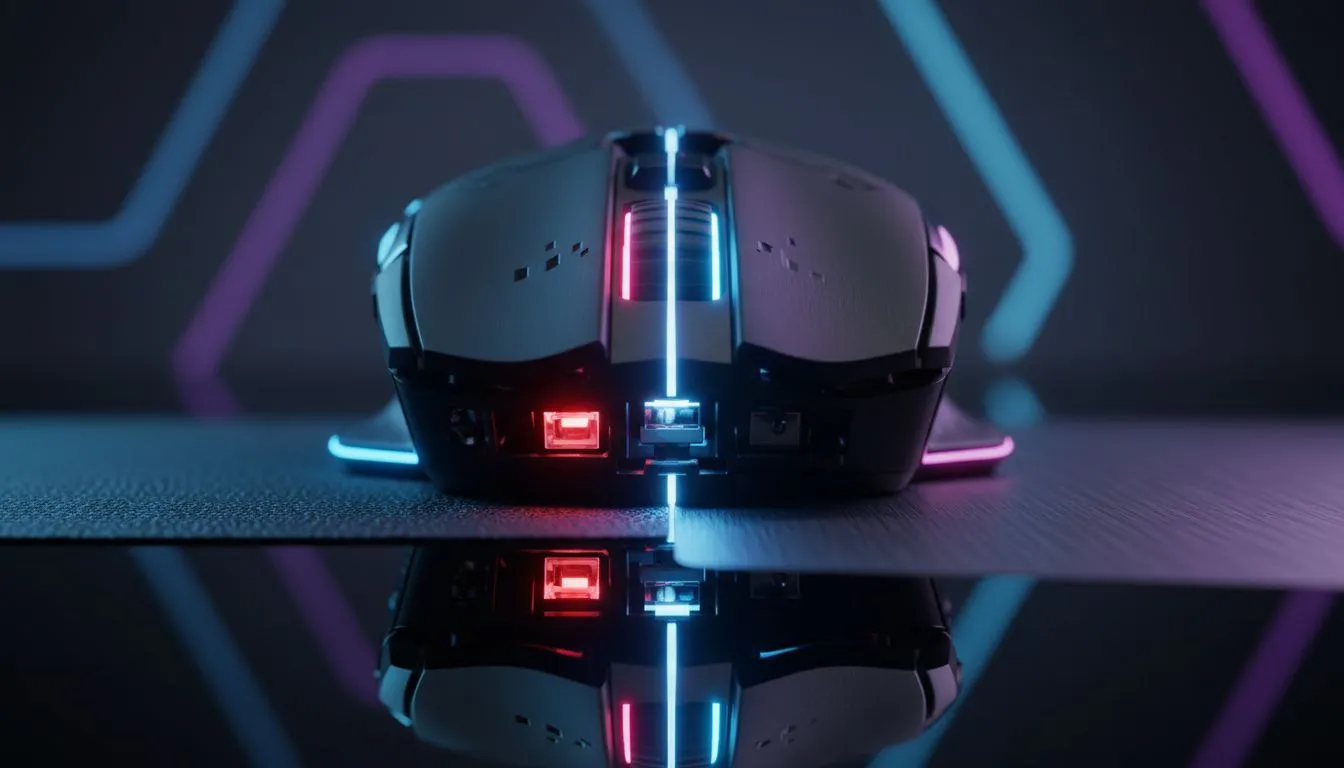
Optical sensors use an LED light to illuminate the surface beneath them. A tiny camera then takes thousands of images per second to track movement. This method is incredibly reliable on non-reflective surfaces like cloth mats. Because optical sensors don't "see" as deeply into the texture of the surface as lasers do, they offer a more "raw" feel. This means no artificial acceleration is added to your movement.
When looking for the best gaming mouse deals in ZAR, you will notice that almost every "Pro" or "Esports" branded device uses an optical sensor. They provide the 1-to-1 tracking accuracy required for pixel-perfect headshots.
Sensitivity Pro Tip ⚡
If you play on a low DPI, ensure your mouse pad is large enough to accommodate wide swipes. A high lift-off distance can cause unwanted cursor movement when repositioning your mouse... check your driver software to calibrate this for your specific surface to keep your aim steady.
The Versatility of Laser Technology
Laser sensors use a VCSEL (Vertical Cavity Surface Emitting Laser). This beam is much more focused than a standard LED. It can pick up minute details in the surface texture. While this sounds like a benefit, it often leads to "jitter" at high speeds because the sensor is too sensitive to the microscopic peaks and valleys of a cloth pad. ⚡
However, if you work from a coffee shop or have a glass-top desk at home, a laser sensor is your best friend. They can track on almost any surface, including transparent ones. If you move around often, picking up a versatile wireless mouse with a high-grade sensor ensures you can work or play anywhere without a dedicated mat.
Choosing the Right Surface for Your Setup
The debate regarding Optical vs Laser Gaming Mouse Sensors: Key Differences often boils down to your environment. If you are a dedicated gamer, a wired mouse with an optical sensor paired with a dark, heavy cloth pad is the gold standard. It provides the most consistent friction and tracking data.
On the flip side, if you find your sensor is skipping, it might not be the hardware itself but the cleanliness of your environment. Dust and hair can easily block the small sensor lens. Investing in proper mouse accessories like microfibre cloths or high-quality replacement skates can breathe new life into an older device. ✨
Ultimately, for the South African gamer, optical is the way to go for performance. Laser is the choice for the mobile professional. Both have evolved significantly... making the gap smaller than ever before.
Ready to Find Your Perfect Match? The Optical vs Laser debate is complex, but for maximum precision and value in South Africa, our curated range is hard to beat. Explore our massive range of gaming mouse deals and find the perfect tool to conquer your favourite games.