

Black Myth: Wukong 2 Ultrawide Support: 21:9 and 32:9 Setup Guide
Black Myth: Wukong 2 Ultrawide Support: 21:9 and. Clear setup instructions with SA-specific considerations, troubleshooting tips & recommended components.
Read moreCompare QHD and 4K monitors for immersive gaming. 🔍 Boost performance and visuals with the right choice.
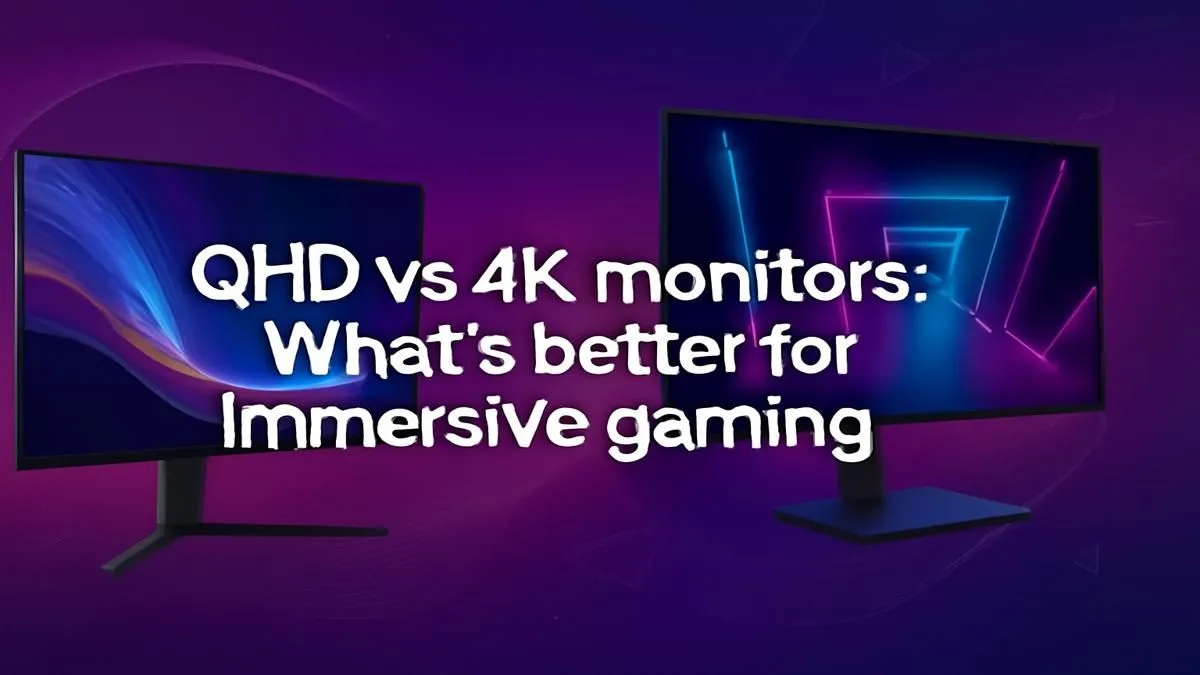
So, you’ve saved up your hard-earned Rands, and you’re ready to upgrade your window to the virtual world. But the big question hits you… QHD or 4K for gaming? It’s the ultimate standoff between silky-smooth frame rates and jaw-dropping visual fidelity. Choosing the right monitor can feel like a final boss battle in itself, but don’t stress. This guide will help you pick the perfect panel for your rig and your favourite games.
Before we dive deep, let's get the basics straight. The debate of QHD vs 4K for gaming is all about pixel count.
Think of it this way: QHD is like having crystal-clear vision, while 4K is like having a bionic eye. But does more detail automatically mean a better gaming experience? Let's find out.
Here’s where your gaming style truly dictates the winner in the QHD vs 4K battle. Are you a competitive fragger or a cinematic explorer?
If your library is filled with titles like Valorant, Warzone, or Apex Legends, then high frame rates are your best friend. This is where QHD shines. A 1440p resolution is less taxing on your GPU, allowing you to push for those glorious 144Hz, 165Hz, or even 240Hz refresh rates.
More frames per second mean smoother motion, lower input lag, and a faster reaction time. It's the difference between seeing an enemy a split-second sooner and getting sent back to the lobby. For most gamers, a high-refresh-rate QHD monitor offers the perfect balance of visual clarity and fluid performance, making it a top choice among all gaming monitors.
Do you prefer getting lost in the sprawling, beautiful worlds of games like Cyberpunk 2077, Baldur's Gate 3, or Alan Wake 2? If so, the stunning detail of a 4K display is hard to beat. The extra pixels make textures pop, environments feel incredibly deep, and the overall experience becomes intensely cinematic.
Playing a story-driven adventure on a 4K screen is an unforgettable experience. However, this visual feast comes at a cost… a very high performance cost. You'll need a seriously powerful graphics card to run modern games smoothly at this resolution, which is why browsing a dedicated selection of 5K and 4K monitors is essential to see what's required.
This is the most critical question when choosing between QHD or 4K for gaming. Pushing over 8 million pixels every second is no small task.
A mid-range GPU like an NVIDIA RTX 4060 or AMD RX 7700 XT is a fantastic choice for high-refresh-rate 1440p gaming. However, for a stable 60+ FPS experience in 4K with settings cranked up, you’re looking at the top-tier cards… think the RTX 4080 Super or RTX 4090. Without that level of power, you’ll likely be turning down settings or relying heavily on upscaling tech like DLSS or FSR, which can sometimes diminish the "true 4K" sharpness you paid for.
Before you buy a 4K monitor, head to YouTube and search for benchmarks of your exact GPU playing your favourite games at 4K. This gives you a real-world preview of the performance you can expect. No surprises, just data.
Ultimately, your hardware budget will play a huge role in this decision. It’s smarter to have an amazing QHD experience than a choppy, compromised 4K one. Take a look at the wide range of PC monitors available to find one that perfectly matches your rig's capabilities.
The QHD vs 4K gaming debate isn't just about pixels. Here are a few other things to consider.
So, what's the final word in the QHD vs 4K for gaming guide?
Ready to Upgrade Your View? Now that you know the difference, it's time to find the perfect panel for your rig. Explore the best PC monitor deals in South Africa for performance that leaves lag in the dust.
QHD suits performance-focused gamers. 4K excels in resolution but requires more power.
QHD balances sharpness and performance. 4K delivers cinematic visuals for top-tier GPUs.
Yes if you have a high-end GPU. Otherwise, prioritize QHD for smoother gameplay.
Yes. QHD renders 1440p vs 4K's 2160p, reducing GPU load for higher FPS.
Yes on large screens or close distances, but differences fade at standard gaming setups.
Fast-paced games favor QHD. 4K shines in story-driven, cinematic titles.
Not necessarily. Modern 4K displays with high refresh rates match QHD's responsiveness.
Black Myth: Wukong 2 Ultrawide Support: 21:9 and. Clear setup instructions with SA-specific considerations, troubleshooting tips & recommended components.
Read more
Setting Up HDMI 2.1 Cable. Tested & verified settings for best FPS and visual quality on SA hardware budgets.
Read more
Every spec on PCIe 5.0 explained in plain English. What matters for gaming and creator work in 2026, what's marketing fluff, and how each number translates to real-world performance.
A head-to-head look at WiFi 7: real-world performance, ZAR pricing and which option delivers better value for SA builders. The clear answer — no fluff.

Everything you need to set up and tune PCIe 5.0 properly: the prep work, the settings that actually matter, and the mistakes to skip. Written for SA builders in 2026.

Everything you need to set up and tune X870E Motherboard properly: the prep work, the settings that actually matter, and the mistakes to skip. Written for SA builders in 2026.
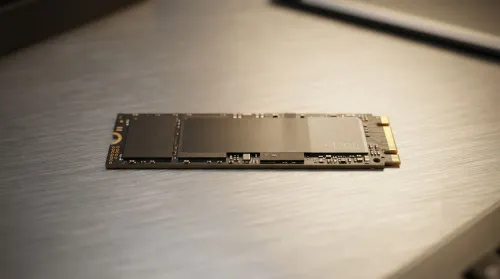
Wondering what a 512GB SSD capacity really holds? This guide breaks down how many games, photos, and documents fit on 512GB, with real-world ranges 📦💾
Every spec on vrm explained in plain English. What matters for gaming and creator work in 2026, what's marketing fluff, and how each number translates to real-world performance.
Every spec on motherboard explained in plain English. What matters for gaming and creator work in 2026, what's marketing fluff, and how each number translates to real-world performance.

Premium vs Midrange Motherboards in South Africa: real-world performance, SA pricing, power draw and which one delivers better value for your build for SA buyers. The clear answer — without the fluff.
Wondering what a 512GB SSD capacity really holds? This guide breaks down how many games, photos, and documents fit on 512GB, with real-world ranges 📦💾
Every spec on PCIe 5.0 explained in plain English. What matters for gaming and creator work in 2026, what's marketing fluff, and how each number translates to real-world performance.
A head-to-head look at WiFi 7: real-world performance, ZAR pricing and which option delivers better value for SA builders. The clear answer — no fluff.
Every spec on USB4 explained in plain English. What matters for gaming and creator work in 2026, what's marketing fluff, and how each number translates to real-world performance.