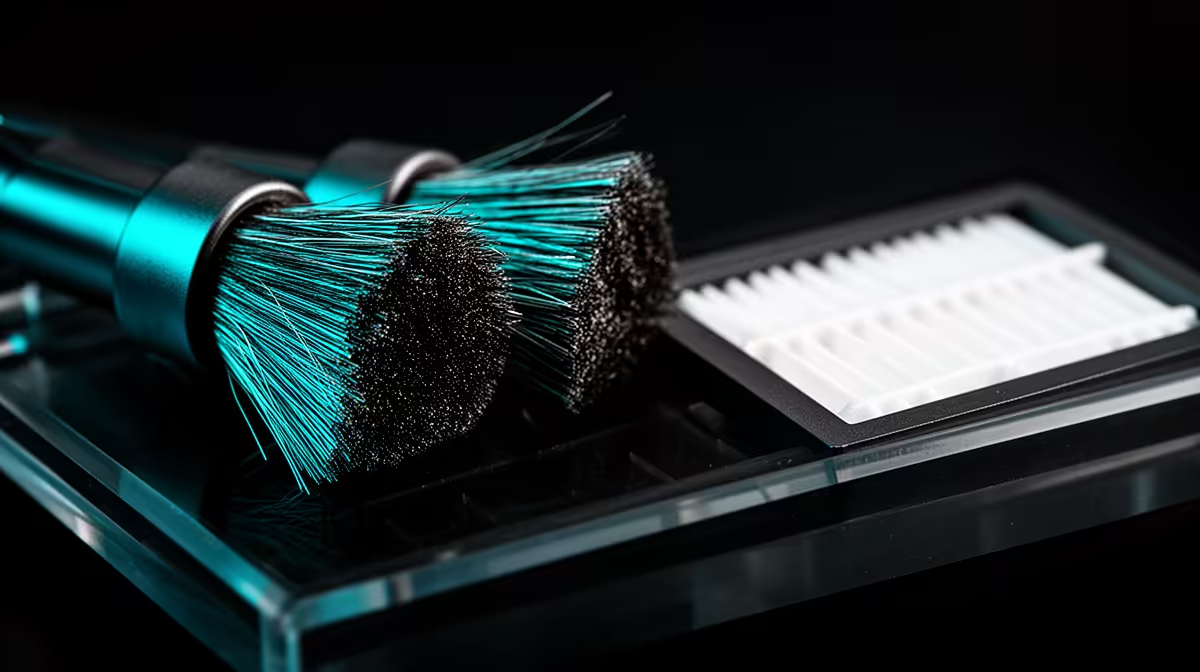
A robot vacuum that once crossed the lounge in a tidy grid and now wanders, leaves dust trails, or smells musty is rarely broken. It is starving for fresh parts. Replacement brushes and filters are consumable components, designed to wear out and be swapped, not to last the life of the machine. Hair winds around the roller, bristles flatten, and filters clog with fine dust until suction and air quality drop. Replacing them on a sensible schedule keeps the unit cleaning like new and is the single biggest factor in how long it stays useful.
Quick Answer
The brushes and filters in a robot vacuum are wear parts that clog and degrade with use. Swap the filter roughly every two to three months, the side brushes every three to six months, and the main roller brush every six to twelve months. Letting them clog is the most common reason a robot loses cleaning power long before the motor or battery actually fails.
The Parts That Wear, and What They Do
A robot vacuum has a small set of consumables, each doing a specific job.
Main Roller Brush
The roller spins along the floor, agitating carpet and sweeping debris into the suction path. Over months it collects wound hair and its bristles or rubber fins flatten, so it stops lifting dirt effectively. A worn roller is why a vacuum can run a full cycle yet leave visible crumbs behind.
Most 2026 robots use hybrid rollers that combine rubber fins with bristle sections -- this design reduces hair tangling compared to all-bristle rollers, but it still degrades. Rubber fins crack with age and sustained heat, and when they do, the roller's agitation drops noticeably. If your robot uses a rubber-heavy roller, inspect the fins every few months for cracking.
Side Brushes
These small spinning arms flick debris from along skirting boards and corners into the path of the roller. Their thin bristles bend permanently with use and snap on furniture legs. Bent side brushes flick dirt away from the machine instead of into it, so corners stay dusty.
Filter
The filter traps fine dust and allergens before the air is blown back into the room. As it loads up, airflow falls, which directly weakens suction and lets fine particles recirculate. A clogged filter is the fastest way to lose cleaning power and the easiest to overlook.
When to Replace Each Part
Schedules vary with your home, but these ranges work for most South African households. A home with pets or long hair, or a dusty property near an open road, runs through parts faster.
- Filter: every two to three months. Tap or vacuum it weekly to extend its life, but replace it once it stays grey after cleaning or the suction no longer recovers.
- Side brushes: every three to six months. Replace sooner if the bristles are visibly bent and no longer sweep into the body.
- Main roller brush: every six to twelve months. Clear wound hair weekly with the cleaning tool, and replace when the bristles stay flattened or the rubber fins crack.
A home with two dogs and a child will sit at the short end of every range. A small flat occupied by one tidy person can stretch to the long end. The browse-able smart home appliances range lists the consumables that match common models, so you can stock the right ones in advance.
Buying the Right Parts
The single most important rule is to match the part to your exact model. Roller lengths, filter shapes, and side-brush mounts differ between brands and even between generations of the same brand, so a part that looks similar may not seat correctly. Check the model number printed under the dust bin or in the app before ordering.
Genuine parts cost a little more but fit precisely and meet the original filtration spec, which matters for households with allergies. Third-party packs are cheaper and often fine for brushes, but be wary of off-brand filters that claim HEPA-grade filtration without proof, since a poor filter undermines the whole point of the machine. Buying a small bundle of brushes and filters at once from the smart appliance accessories shelf means you always have a fresh part ready rather than running the vacuum on a clogged one while you wait.
HEPA vs standard filters
Some replacement packs advertise HEPA-grade filtration, and for allergy or asthma households that claim genuinely matters. A true HEPA filter traps particles down to 0.3 microns, including fine dust, pollen and pet dander. Standard filters trap larger debris but let finer particles recirculate. If anyone in the household has respiratory sensitivities, confirm the replacement filter's rating before buying rather than assuming the replacement matches the original.
Signs You Have Left It Too Long
Your vacuum tells you when parts are spent. Watch for suction that no longer recovers after emptying the bin, a burning or musty smell during a run, louder operation as the motor strains against a clogged filter, debris left along walls where the side brushes should reach, and visible hair wound tightly around the roller. Any one of these means it is time to inspect and likely replace. Catching them early keeps the motor from overworking, which protects the part of the machine you cannot simply swap.
Frequently Asked Questions
How often should I replace a robot vacuum filter?
For most homes, every two to three months. Clean it weekly to stretch its life, but replace it once it stays discoloured after cleaning or the suction stops recovering. Homes with pets or allergies should err towards the shorter interval.
Can I wash a robot vacuum filter instead of replacing it?
Only if the manufacturer says it is washable. Many filters are dry-clean only and degrade if you rinse them. For washable types, dry them fully before refitting, and still replace them periodically as the material breaks down.
Will any replacement brush fit my robot vacuum?
No. Brushes are model-specific in length and mounting. Check the model number under the dust bin or in the app, and order parts listed for that exact model to ensure a correct fit.
Are third-party brushes and filters safe to use?
Brushes from reputable third parties are usually fine and cost less. Be more careful with filters, since cheap ones may not meet the filtration spec your home needs. For allergy households, genuine or verified HEPA-grade filters are the safer choice.
Why has my robot vacuum lost suction?
The most common cause is a clogged filter, followed by a hair-wound roller and a full dust bin. Empty the bin, clean or replace the filter, and clear the roller before assuming the motor has failed.
Keep your robot vacuum cleaning at full strength. Stock the right brushes and filters for your model from the Evetech smart home appliances range and never run it on worn parts again.