Moving from console party chat to PC streaming, the upgrade path is about spending where you notice the difference most: voice clarity over fancy features.
Quick Answer
Coming from a console headset mic, the biggest noticeable jump is a dedicated cardioid USB mic; spend there first before XLR gear. A quality USB mic from around R1,500 transforms your voice over any console headset, with XLR upgrades only worth it later.
Spend Less, Notice More
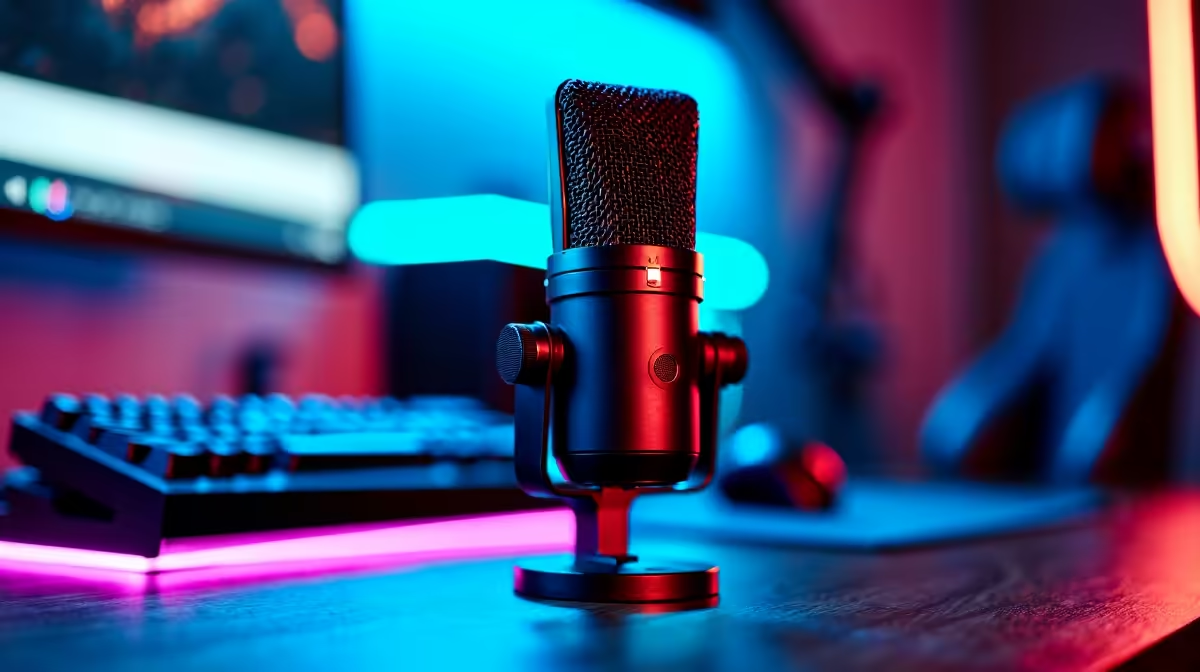
A console headset mic is convenient but thin and noisy. The single most noticeable upgrade is a cardioid USB mic on a stand or boom arm, which captures a fuller, clearer voice and rejects background noise. This step costs the least and changes the most.
What to Skip Early
You do not need an XLR mic, interface and processing chain on day one. That setup offers more control but the audible gain over a good USB mic is small until you are producing seriously. Hold that spend for when you outgrow USB.
Setting Up for PC Streaming
Place the mic 10-20cm from your mouth on a boom arm, add a pop filter, and enable a noise gate so the mic stays quiet between sentences. A cardioid pattern aimed at your mouth keeps your room and PC fans off the stream.
FAQ
What mic upgrade gives the biggest improvement from a console headset?
A dedicated cardioid USB mic. It captures a fuller, clearer voice and rejects background noise far better than a headset mic, and it costs the least of any upgrade step.
Do I need an XLR mic to start streaming on PC?
No. A good USB mic from around R1,500 sounds great and is simpler. XLR gear adds control but the audible difference is small until you produce content seriously.
How should I position a streaming mic?
10-20cm from your mouth on a boom arm with a pop filter and a noise gate enabled. A cardioid pattern aimed at your mouth keeps room noise and PC fans off your audio.
Start with a cardioid USB mic on a boom arm from around R1,500; it gives the biggest audible jump from a console headset before any XLR spend.