



FSR 4 vs FSR 3.1 for Strategy and sim games in SA
FSR 4 vs FSR 3.1 for strategy and sim games depends on game support, image quality preferences, latency goals, and GPU fit. SA buyers should check the game and hardware path first.
Read morestudio microphone delivery and pickup in Midrand should be shortlisted around the job it must do. South African buyers should compare audio quality, mic clarity, comfort, and connection type, warranty path, and upgrade room before treating any pick as best.
For Midrand buyers, the right studio microphone is the one that is available through Evetech, fits the desk or build, and can be checked against the live listing before checkout. The practical answer is to shortlist by input type, room noise, and mounting, then confirm delivery or pickup timing instead of treating stock status as a guess.
Useful examples to compare include Rode NT-USB Mini, HyperX QuadCast S, Shure MV7, Blue Yeti, and Focusrite Scarlett Solo bundles. A USB mic is the cleanest route for students, streamers, and video calls. XLR needs an audio interface, but it gives better gain control and an easier path to a studio-style setup. Keep the order simple: confirm the item, check the lead time, and make sure the parcel timing suits the day you can set it up.
The key spec checks are USB-C, XLR, cardioid pickup, 24-bit audio, and a boom-arm mount. Match those numbers to your current PC, console, desk, room, or study setup. Prioritise the first real bottleneck: clarity for recording, fps for displays, stable power for builds, comfort for chairs, or latency for wireless gear.
Midrand buyers should plan around courier delivery, nearby pickup timing, and office or campus desks that often need compact cable routing. Keep the live Evetech listing as the final source for exact stock and current pricing, because availability can shift between sizes, colours, bundles, and regional courier timing.
USB is better for a first setup because it avoids an interface and extra cables. XLR is better once you want cleaner gain control, a dedicated interface, and more room to improve the chain.
A practical starter budget is about R1,500 to R3,500 for USB. Serious podcast or voiceover setups can move into the R5,000 to R8,000+ range once an interface and arm are included.
A boom arm is worth it if keyboard noise or desk vibration reaches the recording. It also keeps the capsule closer to your mouth, which improves clarity more than chasing a more expensive mic first.
Before checkout, confirm input type, room noise, and mounting plus any required cable, mount, dock, adapter, or size-specific accessory.
FSR 4 vs FSR 3.1 for strategy and sim games depends on game support, image quality preferences, latency goals, and GPU fit. SA buyers should check the game and hardware path first.
Read more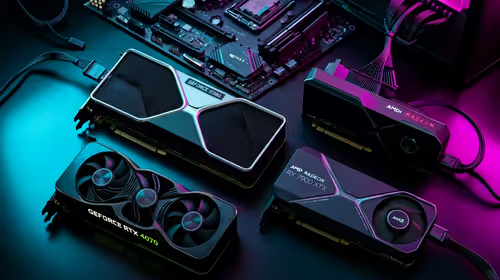
RTX 5060 too expensive? Cheaper SA alternatives should solve the exact workload without overbuying. Compare nearby options by GPU tier, VRAM, cooling, and PSU headroom, local warranty path, and total build balance before moving to a product page.
Read more
Best mechanical keyboard in Cape Town should be shortlisted around the job it must do. South African buyers should compare switch feel, latency, layout, and software, warranty path, and upgrade room before treating any pick as best.
Read more
Skip the RTX 4080 for content creation when a balanced SA workstation gives enough acceleration, VRAM, and cooling. Weigh creator GPUs by software support, export workloads, monitor resolution, and whole-PC gains.
Read more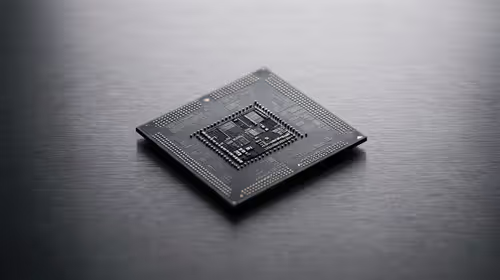
Ryzen 9 7900X3D value for SA buyers depends on gaming needs, AM5 cost, and how often you run heavy productivity tasks. Compare honest pros and cons before choosing it over simpler Ryzen 7 or Ryzen 9 options.
Read more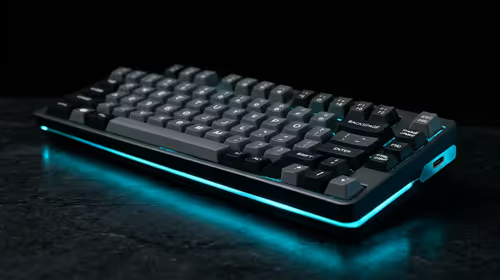
Should SA gamers buy the Hall Effect keyboards? should be shortlisted around the job it must do. South African buyers should compare switch feel, latency, layout, and software, warranty path, and upgrade room before treating any pick as best.
Read more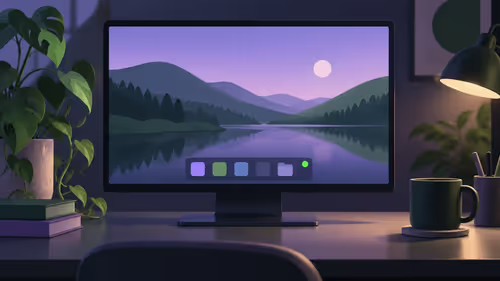
Windows taskbar notification badges can be shown or hidden in Taskbar behaviours. This changes the small app indicators, not the underlying messages. Choose a calmer desktop while keeping a deliberate routine for checking important conversations and app updates.
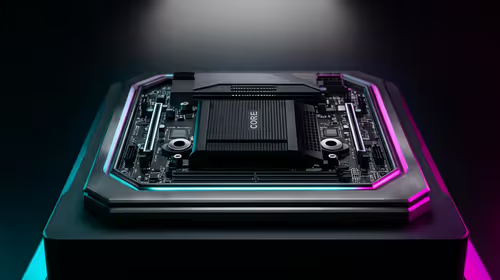
B850 vs B650 for Streaming on Twitch and YouTube comes down to CPU path, motherboard features, memory support, I/O needs, and upgrade timing. SA buyers should match the choice to their setup instead of assuming one option always wins.
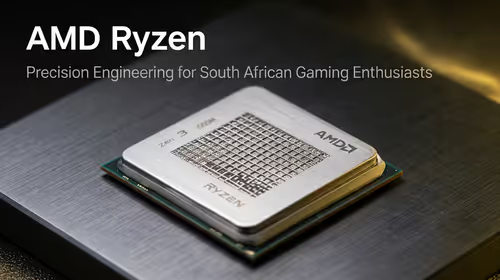
Ryzen 7 9700X pros, cons, and what SA gamers need start with balanced CPU speed and AM5 value. It can suit gaming and everyday creation, but the right choice depends on GPU pairing, DDR5 costs, and upgrade budget.
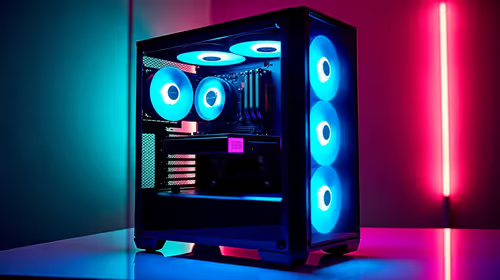
Content Warning PC build under R80,000 should balance GPU, CPU, RAM, SSD, and cooling around the game's needs. For SA buyers, treat the budget as a planning tier, not a live quote, and compare parts before ordering.
Windows taskbar notification badges can be shown or hidden in Taskbar behaviours. This changes the small app indicators, not the underlying messages. Choose a calmer desktop while keeping a deliberate routine for checking important conversations and app updates.
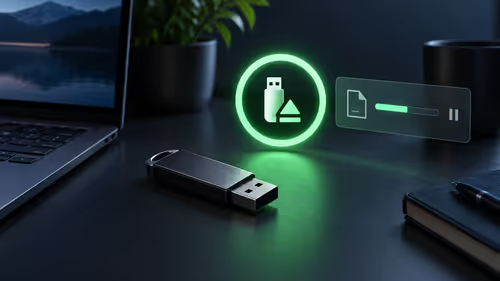
Windows USB device in use can mean a program still has the drive open. Finish transfers and close files before retrying ejection. Better performance caching requires safe removal; a replacement drive is not the first fix for an open-file warning.

Windows Nearby Sharing not working starts with feature, Bluetooth and visibility checks on both PCs. My devices only depends on matching Microsoft accounts. Test a small harmless file before buying networking hardware or changing your home router.
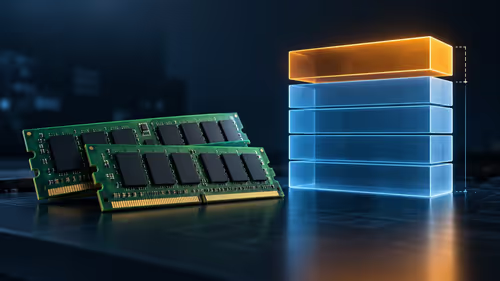
Windows hardware reserved RAM is different from memory used by applications. Compare installed memory with firmware detection and the usable amount before buying modules. Reservations and reporting limits vary by system; no universal setting restores every byte.

Steam content servers unreachable needs a download-path check, not an immediate reinstall of every game. Restart the client, inspect download settings and compare another connection when practical. Clearing the download cache is separate from deleting installed games.

VS Code download for Windows 11 should begin at the official Visual Studio Code site. Match x64 or Arm64 to the PC, then choose User Setup for one account or System Setup for managed all-user installation. Check local device policy before running setup.

7-Zip download for Windows 11 is available from 7-zip.org. Choose x64 or Arm64 for the actual PC and use the official installer links. The archiver is free; installing it does not make every downloaded archive safe to open.

Windows ClickLock lets you drag without continuously holding the mouse button. Inspect it when selection seems latched after a press, then test a disposable file or text selection. Keep the feature if it makes pointing easier for you.