

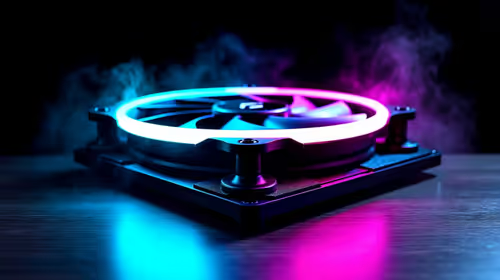
AIO Liquid 240mm Setup and Configuration: Complete Tutorial
AIO Liquid 240mm Setup and Configuration. Clear setup instructions with SA-specific considerations, troubleshooting tips & recommended components.
Read moreWant faster inputs? Tactile microswitch buttons offer crisp feedback and reduced travel time, crucial for fighting games. Learn how mechanical switches cut input lag and perfect your combos today. 🕹️⚡
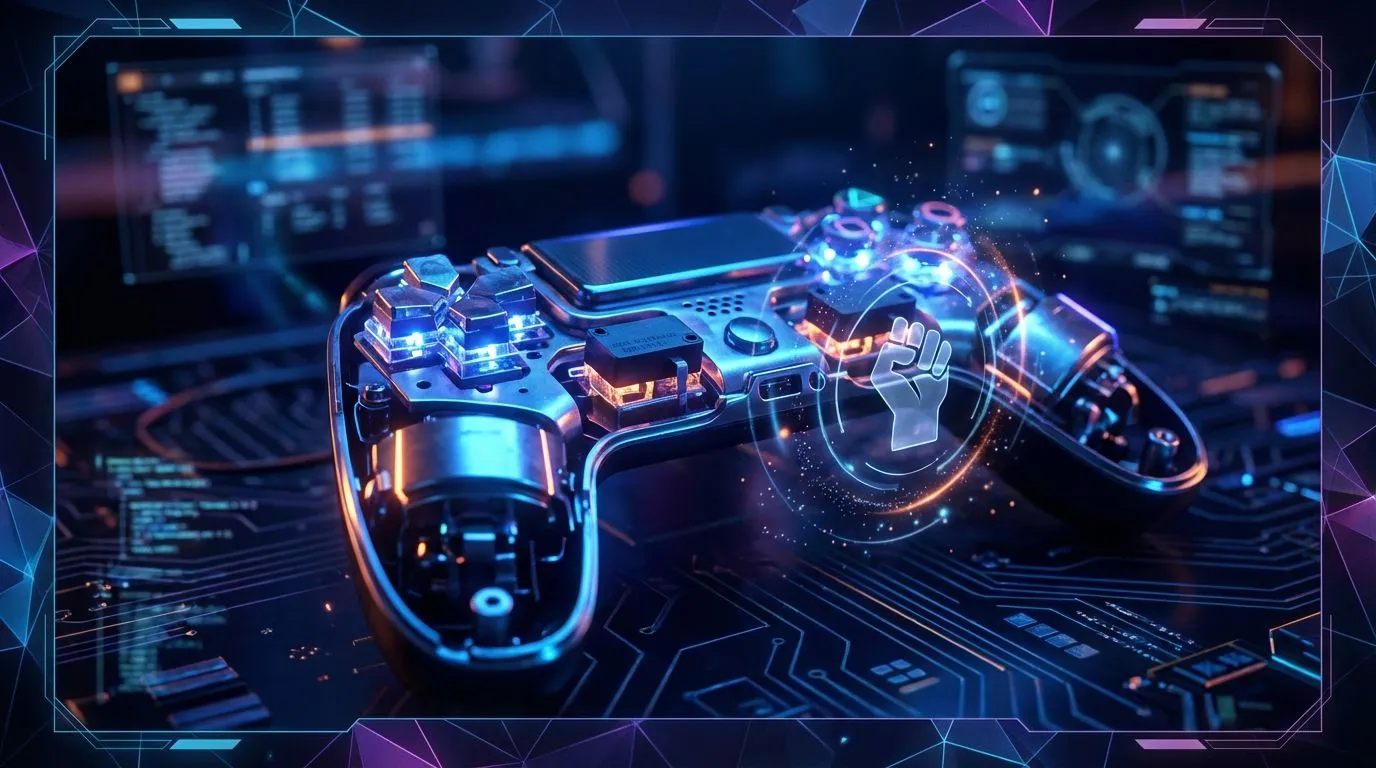
Ever dropped a crucial combo in Street Fighter because your input felt… slow? That split-second lag between thought and action is a real pain for any serious gamer. What if your gamepad had the same crisp, instant response as a high-end gaming mouse? That's the edge tactile microswitch buttons deliver. They offer a distinct 'click' and near-instant actuation, turning frustrating input lag into flawless victories. It’s time to feel the speed. 🚀
At first glance, a controller button is just a button. But underneath, the technology makes a massive difference. Most standard gamepads use rubber dome or membrane switches. When you press down, a soft, conductive pad connects a circuit. It works, but it can feel a bit mushy and the actuation point (where the press is registered) can be inconsistent.
Tactile microswitch buttons, on the other hand, use a proper mechanical switch, much like the ones in a premium gaming mouse. This small, self-contained unit provides three key advantages:
While many standard gaming controllers are excellent for casual play, the precision of a microswitch is in another league.
In a fighting game, frames win fights. A single frame is just 1/60th of a second, and the difference between blocking an attack or eating a full combo can come down to that tiny window. This is where the benefits of tactile microswitch buttons truly shine. 💥
The primary advantage is raw speed. Because a microswitch actuates higher up in the keypress and resets faster than a membrane, you can physically input commands quicker. This makes executing complex, multi-button "link" combos far more consistent. You're no longer fighting against the button's travel time; the controller is keeping up with your reflexes. For a competitive edge, many pros turn to top-tier Razer controllers specifically for this feature.
The crisp, consistent feedback from tactile microswitch buttons is a massive training aid. The click confirms the input, helping your brain and hands build a stronger connection. You start to learn the feel and sound of a successful combo, reducing input errors and making your execution more reliable under pressure.
Once you get a controller with tactile microswitch buttons, head straight to training mode. The audible and physical feedback is different. Spend 20 minutes just practicing your basic combos. The clicks will help you internalise the timing, cleaning up your execution and making those difficult links more consistent.
You don't need a massive, intimidating arcade stick to get this pro-level technology. Many modern gamepads now incorporate these high-performance switches into a familiar and comfortable design. They offer a perfect hybrid experience, blending ergonomic comfort with the raw speed needed for competitive play.
A prime example is the Razer Wolverine V3 Tournament Edition, which features Razer's Mecha-Tactile Action Buttons. It provides that signature clicky feedback and lightning-fast response in a traditional controller layout, giving you a tangible advantage without needing to relearn an entire control scheme. If you're looking to elevate your game, investing in a controller with tactile microswitch buttons is one of the most impactful upgrades you can make.
Ready to Feel the Difference? From casual couch co-op to the tournament stage, the right controller is key. If you're serious about speed and precision, exploring gamepads with tactile microswitch buttons is your next move. Browse our full range of gaming controllers and find the perfect upgrade for your setup.
They are mechanical switches used in controllers providing physical feedback, a distinct click, and faster actuation points compared to standard membrane buttons.
Yes, tactile microswitches reduce travel distance and input delay, allowing for faster frame-perfect moves and counter-attacks in fighting games.
Absolutely. The precise feedback of mechanical face buttons helps execute complex combos and movement techniques more consistently than rubber pads.
Many enthusiasts install tactile microswitch buttons into arcade sticks or custom pads using kits to replace mushy conductive rubber membranes.
Microswitches are significantly faster. They offer a crisp click and instant actuation for competitive gaming, whereas membranes feel mushy and engage slowly.
High-quality tactile microswitches are rated for millions of cycles, far outlasting traditional conductive rubber pads used in standard gamepads.
AIO Liquid 240mm Setup and Configuration. Clear setup instructions with SA-specific considerations, troubleshooting tips & recommended components.
Read more
Setting Up DDR5 64GB Kit. Tested & verified settings for best FPS and visual quality on SA hardware budgets.
Read more
Overwatch 2 Setup Guide Gamers. Clear setup instructions with SA-specific considerations, troubleshooting tips & recommended components.
Read more
R and RStudio on Mac: Data Science Setup Guide. Clear setup instructions with SA-specific considerations, troubleshooting tips & recommended components.
Read more
NVIDIA Broadcast Setup with GPU: Streamer Guide. Clear setup instructions with SA-specific considerations, troubleshooting tips & recommended components.
Read more
Core Ultra 7 265K Temperature Guide: Normal Range. Complete product range with SA pricing, key specs & recommendations for different budgets.
Read more
AMD RX 9050 XT: Rumoured Specs, Price & Release. SA-focused analysis with local pricing data, real-world insights & actionable buying advice.
Can RTX 4080 Super Run AI Workloads for SA Developers Detailed answer with SA data, expert analysis & practical recommendations for local buyers.
Can RTX 4090 Run AI Workloads for SA Developers Detailed answer with SA data, expert analysis & practical recommendations for local buyers.
Top Settings for Intel Arc B580 at Ultrawide 1440p picks evaluated on performance, value & SA availability with current Rand pricing from Evetech.
RTX 4060 CS2 Low Settings at 1080p: FPS Results. Real-world benchmark data, FPS numbers & performance analysis. What SA gamers can actually expect.
Visual Artifacts: Possible GPU Issue Issue #1. Diagnosis steps, proven fixes & when to seek professional help. SA-specific support info included.
Can the RTX 4090 Handle 1440p 144Hz Gaming. Performance testing verdict with real data & practical recommendations for SA buyers.
Top ASUS GPU Under R15000 picks evaluated on performance, value & SA availability with current Rand pricing from Evetech.
GTA 6 Max Settings on RTX 5070. Tested & verified settings for best FPS and visual quality on SA hardware budgets.
Cyberpunk 2077 Max Settings on RTX 5080. Tested & verified settings for best FPS and visual quality on SA hardware budgets.
Starfield Max Settings on RTX 5070 Ti. Tested & verified settings for best FPS and visual quality on SA hardware budgets.
Top RTX 5090 Under R5000 picks evaluated on performance, value & SA availability with current Rand pricing from Evetech.