Vertical Keystone Correction: How It Works & Why It Matters for South African Buyers 🔧
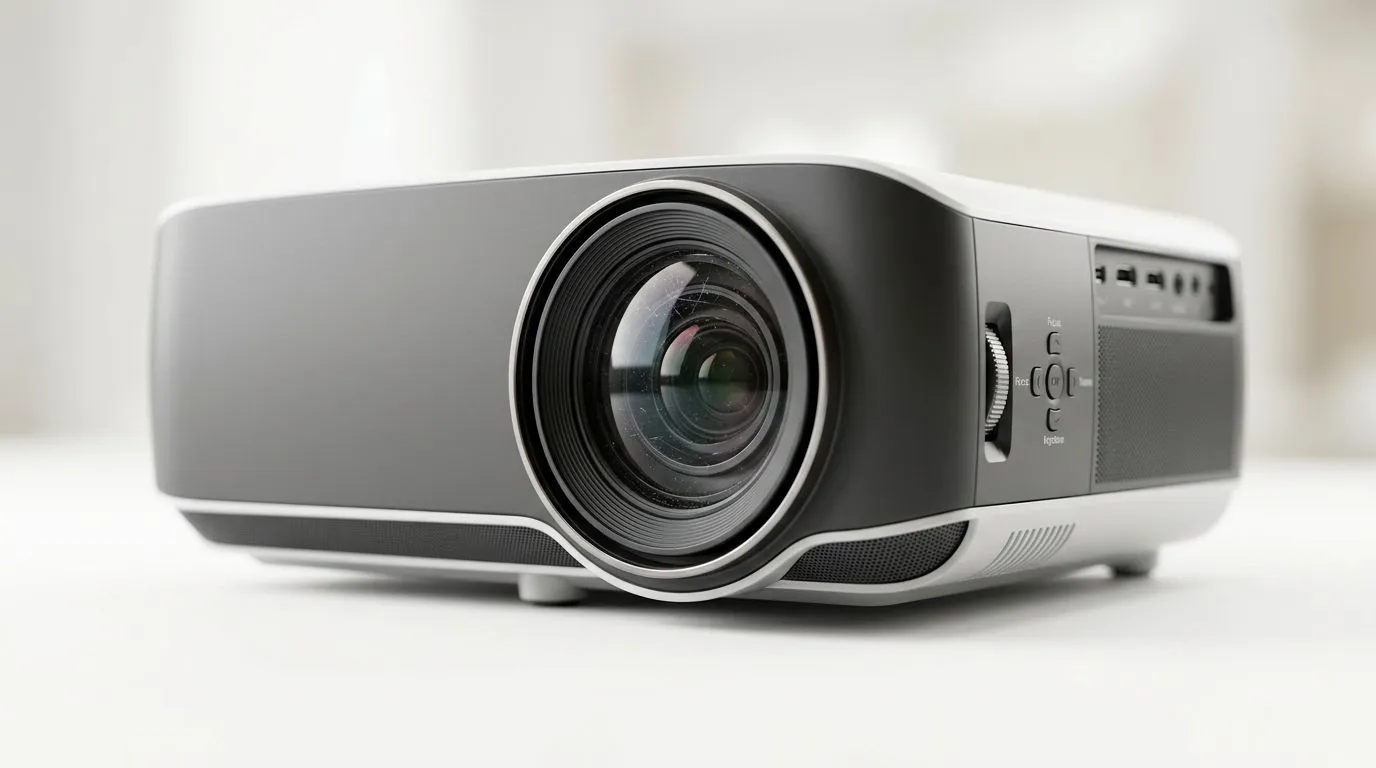
If you’ve ever set up a projector in a hurry, you know the pain… the image looks like it’s sliding off the wall. Vertical keystone correction is the simple fix that makes a projector picture look straight, clear, and usable. For South African gamers and home-theatre fans, it often decides whether you can actually read menus, hit shots confidently, or enjoy movies without straining your eyes.
In this deep dive, we’ll break down Vertical Keystone Correction: How It Works & Why It Matters, plus what to check before you buy.
What “Vertical Keystone Correction” actually does ✨
Vertical keystone correction digitally adjusts the projector’s image so it becomes rectangular instead of trapezoid. That trapezoid shape usually happens when the projector is not aligned perfectly with the screen (common in living rooms, dorm setups, and game corners).
Here’s the key idea:
- The projector “warps” the image so the top and bottom edges line up.
- The more correction you apply, the more the image gets processed.
Depending on the projector, keystone correction may be:
- Digital (software) correction: The projector reshapes pixels. This can reduce sharpness a bit.
- Optical correction or lens shift (if supported): The projector moves optics instead of warping pixels. This usually preserves image quality better.
If you’re trying to choose between models, you’ll want to look for “lens shift” or “optical correction” rather than relying on heavy keystone alone.
Vertical Keystone Correction: How It Works & Why It Matters for image quality ⚡
Why it matters is straightforward: digital keystone is not free. When you correct too much, you can lose detail and introduce softness, especially around text and edges. For gaming, that can mean:
- blur on HUD elements
- harder-to-read subtitles
- less crisp textures during fast motion
So the practical strategy is:
- Aim the projector as closely as possible to the screen.
- Use keystone lightly, only to perfect alignment.
- If you expect frequent repositioning, prioritise features that reduce the need for heavy correction (like lens shift).
Evetech stocks a variety of projectors, so if you’re buying for a specific space, check options carefully before you commit. Browse projectors here: projectors on Evetech.
Quick buying guide: choose your projector setup first 🚀
Before you click “buy”, measure your space and plan where the projector will sit. Keystone correction helps, but it can’t replace good placement.
Mount and placement checks that prevent keystone headaches
- Distance to screen: The farther you are, the less likely you are to need extreme correction.
- Height matching: Try to place the projector so its lens height is close to the screen height.
- Throw angle: If the projector is heavily angled, you’ll need more correction.
If you already know your budget, you can filter options using this Evetech listing: buy projectors up to R7,000.
Brand expectations in South Africa (Promate vs ViewSonic)
Different manufacturers design for different customer needs. For many buyers, it helps to shortlist brands first.
Even within the same brand line, features vary by model. Keystone handling and image adjustment options are model-specific, so confirm the exact specs in the product page before purchasing.
Productivity Pro Tip 🔧
setting up for gaming nights, do a quick “edge test” first: project a desktop window or a high-contrast game HUD, then adjust placement before touching keystone. Use keystone only for minor corrections. This keeps the image sharper and makes colours look more consistent.
Installation workflow: get a straight picture without fighting it 📺
Here’s a simple routine that works for most setups:
- Level the projector surface (or confirm your mount is level).
- Position the projector so it faces the screen as squarely as your room allows.
- Adjust zoom/focus before keystone. Focus changes the perceived sharpness.
- Apply vertical keystone last, in small steps.
- Re-check focus after keystone. Some setups benefit from a tiny refocus after geometry changes.
This workflow matters because keystone correction can’t restore pixels you lose to digital warping. You’ll get better results with placement first, correction second.
Why vertical keystone correction impacts real-world use cases 🕹️
Let’s talk about the scenarios South Africans actually run:
- Living-room movie nights: You want straight subtitles and clean edges. Too much keystone can make text harder to read.
- LAN parties and gaming: Even small softness can make targets look less defined.
- Bedroom setups: People mount or place projectors quickly. Keystoning more than necessary becomes normal. That’s when you should consider a projector model with better alignment tools.
If you’re building a home setup, your best “upgrade” is often not a new GPU or console… it’s a projector that fits your space without constant correction.
Final decision: should you rely on keystone?
You can use vertical keystone correction successfully, but use it like seasoning, not the main ingredient. It’s there to help you fix real-world positioning issues. The best results happen when you minimise correction and maximise proper alignment.
When you’re ready to shop, start with the full range: projectors from Evetech.
Ready to Find Your Perfect Match?
The Mac vs Windows debate is complex, but for maximum power, choice, and value in South Africa, Windows is hard to beat. Explore our massive range of laptop specials and find the perfect machine to conquer your world.