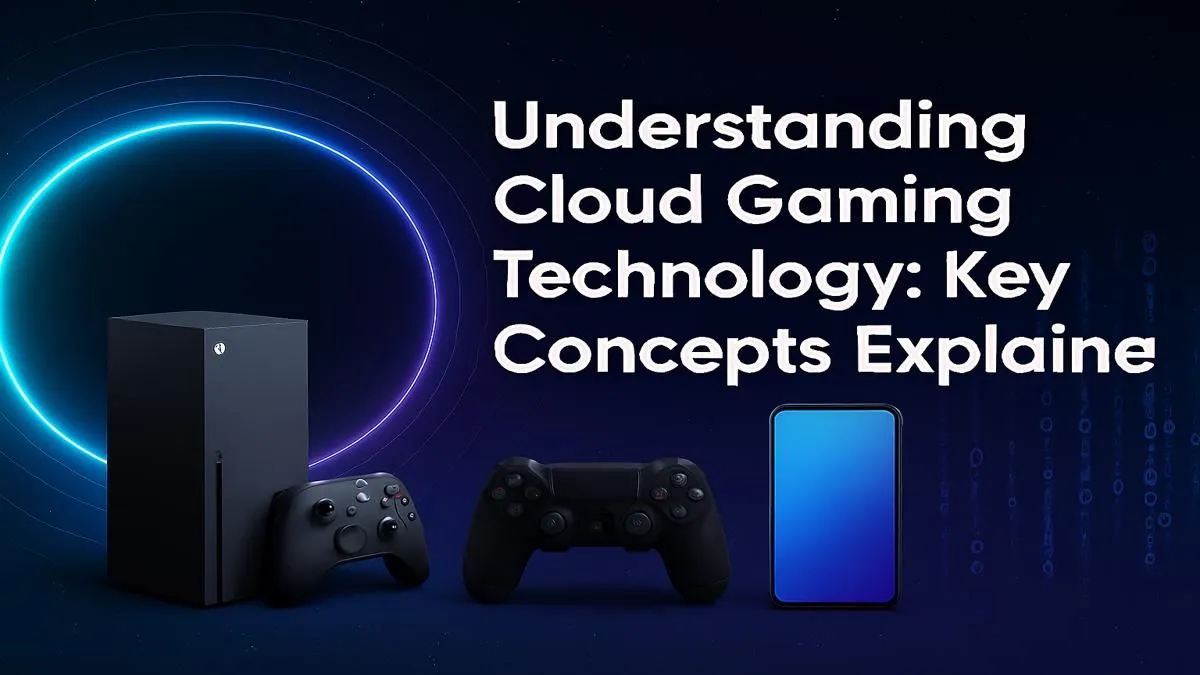
Tired of 100GB downloads and your graphics card groaning at the latest AAA title? Imagine playing Cyberpunk 2077 on max settings… on your old laptop. That’s the magic promise of cloud gaming, a technology that streams games to you like a Netflix movie. But for South African gamers, with our unique internet challenges, is it a dream come true or just a laggy mess? Let's break down exactly what cloud gaming is and if it’s right for you.
How Does Cloud Gaming Actually Work?
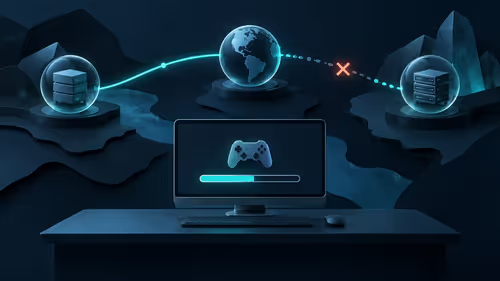
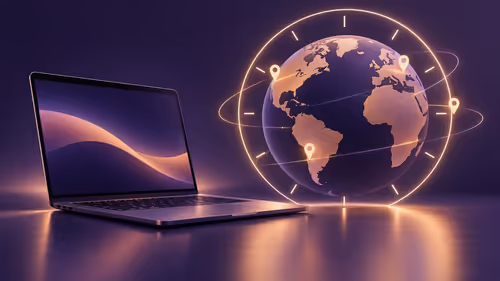
Think of it this way: instead of your PC doing all the heavy lifting, a super-powered computer in a data centre somewhere else runs the game for you. This remote server, packed with top-tier processors and graphics cards, handles everything.
Here’s the process, simplified:
- Your Input: You press a button on your controller or keyboard.
- To the Cloud: That command zips across the internet to the server.
- Server Power: The server processes your command and renders the next frame of the game instantly.
- Stream Back: It then compresses that frame into a video and streams it back to your screen.
This all happens in milliseconds. When it works perfectly, it feels like the game is running locally on your machine. This is the core of cloud gaming technology, turning any screen into a potential high-end gaming portal.
The Technology Powering the Experience 🚀
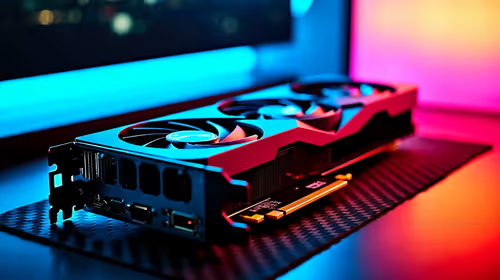
The secret sauce behind cloud gaming is a combination of immense server power and lightning-fast streaming protocols. Companies like NVIDIA and Microsoft build massive data centres filled with hardware that would make any gamer drool—we're talking about racks of systems more powerful than even most high-performance gaming PCs over R20k.
However, the real challenge isn't the processing power; it's the delivery. The system's success hinges on latency—the time delay between your action and the response on screen. For this to work in South Africa, you need a fast, stable, and low-ping internet connection, which usually means fibre is a must-have.
Pros and Cons for South African Gamers
Cloud gaming sounds incredible, but it's not a perfect solution for everyone, especially in SA. Let's weigh the good against the bad.
The Bright Side ✨
- Lower Upfront Cost: You don't need to spend a fortune on a high-end rig. This makes it an attractive alternative to buying new hardware, though you can find many powerful gaming rigs under R20k that offer a fantastic local experience.
- Play Anywhere: Game on your laptop, tablet, or even your phone, as long as you have a solid internet connection.
- No Downloads, No Updates: Jump straight into the action. The servers handle all the massive game files and patches for you.
The Reality Check
- Internet Dependency: This is the big one. A slow or unstable connection means lag, stuttering, and low-resolution streams. It's almost unusable without good, uncapped fibre.
- Data Consumption: Streaming games at 1080p or 4K can chew through hundreds of gigabytes of data a month.
- Input Lag: Even with a great connection, there will always be some latency. It might be fine for single-player adventures, but it can be a major disadvantage in competitive shooters like Valorant or Apex Legends.
Network Tip for Better Streaming 🔧
For the lowest possible latency, always use a wired Ethernet connection instead of Wi-Fi. If you must use Wi-Fi, make sure you're on a 5GHz network, as it's typically faster and less congested than 2.4GHz. This can make a noticeable difference in your cloud gaming experience.
Is Cloud Gaming a PC Killer? Not So Fast...
So, what is cloud gaming's ultimate role? It's an amazing technology and a fantastic secondary way to play, but it's not replacing a dedicated gaming PC just yet. For South African gamers who demand peak performance, reliability, and zero compromises, local hardware is still the undisputed champion.
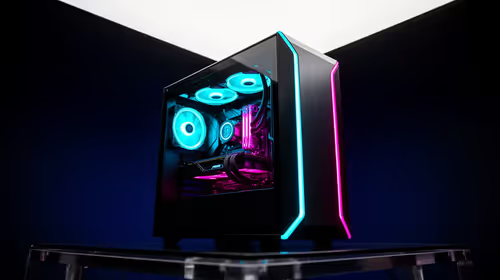
Owning your own machine means you're never at the mercy of server downtime or a shaky internet line. You have full control over your games, mods, and performance settings. With so many great pre-built PC deals available, you can get a system tailored to your needs. Whether you're starting with affordable budget gaming PCs or exploring the very best gaming PC deals on the market, the power and freedom are in your hands.
Ready to Own Your Gaming Experience?
Cloud gaming is an exciting frontier, but for the ultimate in performance, control, and reliability, nothing beats a dedicated gaming PC. Explore our massive range of gaming PCs and build the rig that will conquer any world you choose.