4K 144Hz vs 240Hz Gaming: Is the Performance Jump Worth It?
Deciding between **4K 144Hz vs 240Hz**? We analyze visual differences, GPU demands, and pricing to help you choose the ultimate display. 🎮 Discover if the extra frames justify the cost for your rig. 🚀
|
Loading tags...

You've built a monster PC, a true beast ready to tear through any game you throw at it. But all that power is wasted if your monitor can't keep up. This brings us to one of the biggest debates in high-end PC gaming right now: 4K 144Hz vs 240Hz gaming. Do you chase buttery-smooth, cinematic visuals, or do you need the absolute fastest, most responsive screen money can buy? Let's break it down.

ViewSonic TD1655 15.6" Full HD (1920 x 1080) Portable Touchscreen Monitor / Ultra-portable Design / Advanced in-cell Capacitive Touchscreen / 2-Way Power With USB Type-C / Frameless Design / Portrait and Landscape Modes / dual integrated speakers / TD1655
R5199.00In Stock
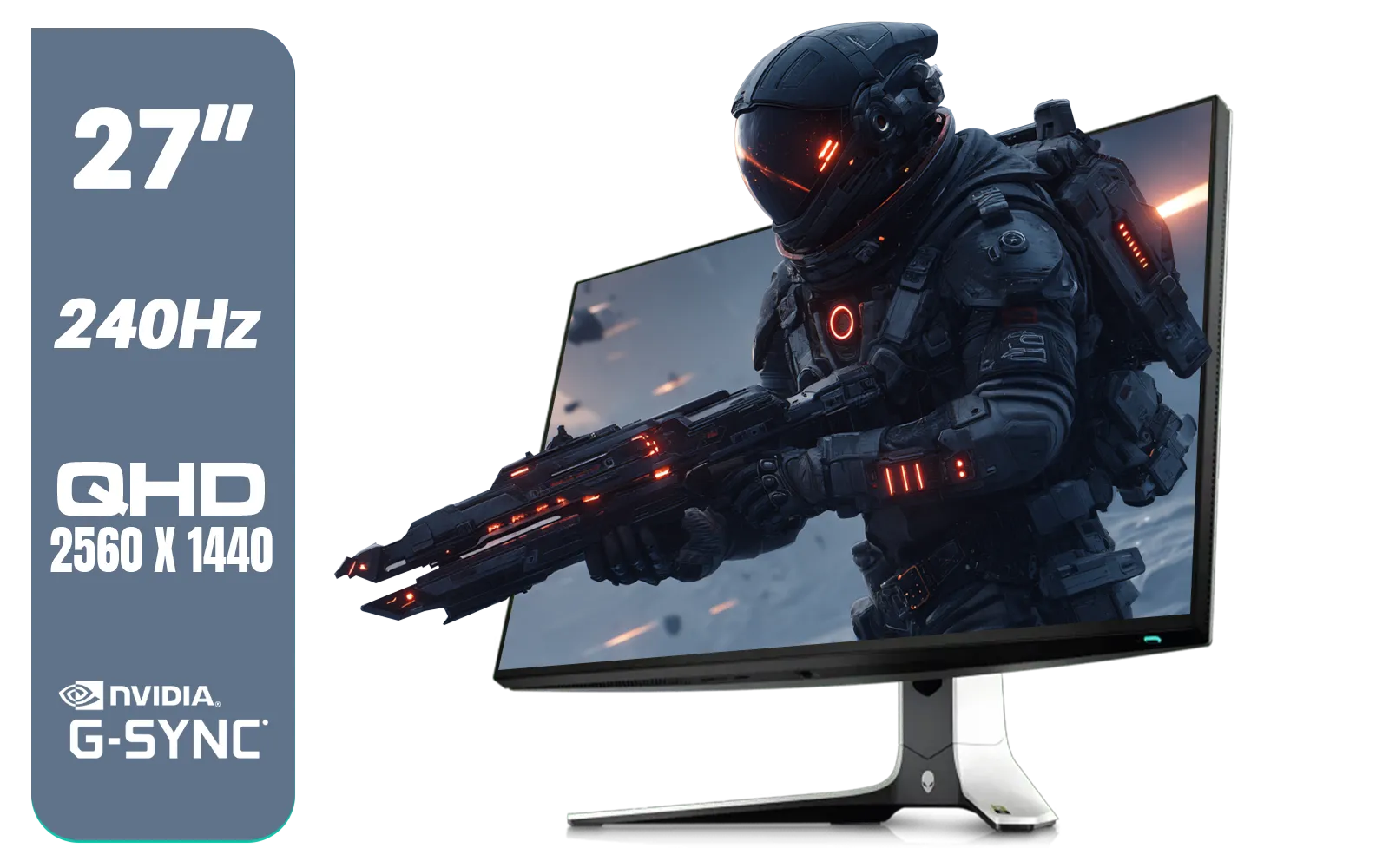
Alienware AW2723DF Gaming Monitor - 27-inch (2560 x 1440) 240Hz Display (DP 1.4), 1ms Response Time, NVIDIA G-Sync, Preset OSD Modes, Height/Tilt/Swivel/Pivot Adjustability - Lunar Light / AW2723DF
R8699.00In Stock

MSI G321Q 31.5" WQHD IPS 2K Flat Monitor, 170Hz Refresh Rate, 1ms MPRT Response Time, 1.07B Display Colors, 16:9 Aspect Ratio, 1200:1 Contrast Ratio, G-Sync / AMD Freesync, HDR, Black / 9S6-3DB91A-041
R6999.00In Stock

HP 527SH G5 FHD Gaming Monitor - Black/Silver / 27" FHD (1920 x 1080) / IPS Panel / 1x HDMI 1.4, 1x VGA / Eye Ease with Eyesafe Certification / 94C50AS
R4799.00In Stock
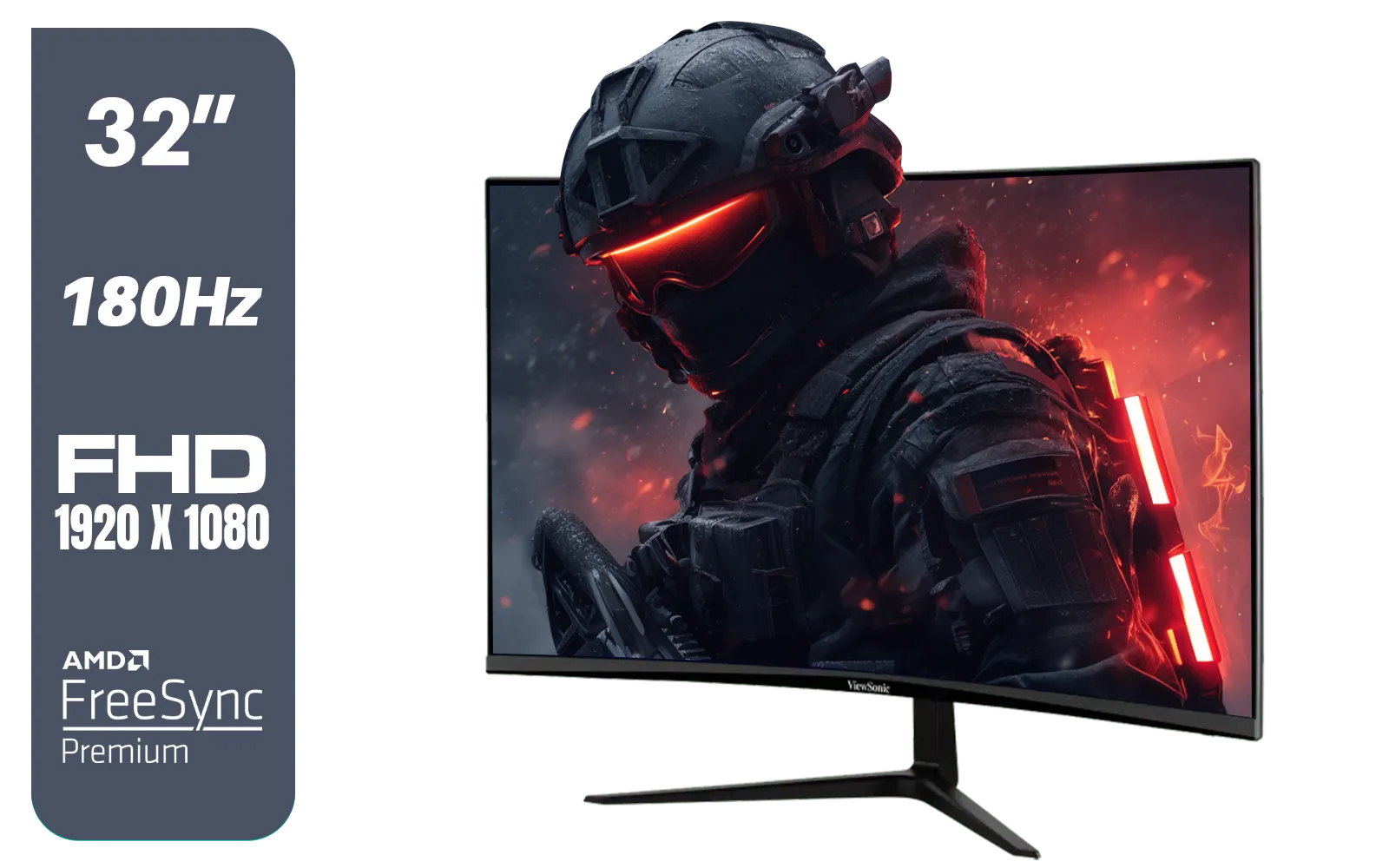
ViewSonic VX3218-PC-MHD 32" Full HD (1920 x 1080) 180Hz Curved Gaming Monitor / 180Hz Refresh Rate / 1ms MPRT Response Time / AMD Adaptive Sync Prevents Screen Tearing / 1500R Curve Ultimate Immersion / VX3218PCMHD
R3499.00In Stock

Philips 49B2U5900CH 49" Dual QHD Curved Business Monitor / Dual QHD (5120 x 1440) / 4ms Response Time / Flicker-Free / LowBlue Mode / 49B2U5900CH/89
R23499.00In Stock
Pixels vs. Pace: Understanding the Core Difference
Before we dive deep, let's get the basics straight. Think of it like this: resolution is what you see, and refresh rate is how fast you see it.
- 4K (3840x2160): This is all about detail. With over eight million pixels, 4K resolution delivers incredibly sharp, crisp images. It makes exploring the vast landscapes of Elden Ring or the vibrant streets of Cyberpunk 2077 a breathtaking experience. The difference is immediately noticeable, offering a level of clarity that makes games feel more real. You can explore a huge variety of stunning high-resolution 4K and 5K monitors that bring these worlds to life.
- Refresh Rate (Hz): This measures how many times your screen updates with a new image every second. A 144Hz monitor refreshes 144 times per second, while a 240Hz monitor does it 240 times. A higher refresh rate results in smoother motion, reduced blur, and a feeling of instant connection between your mouse movements and the on-screen action.
The debate over 4K 144Hz vs 240Hz gaming is essentially a choice between prioritising one of these incredible features over the other.
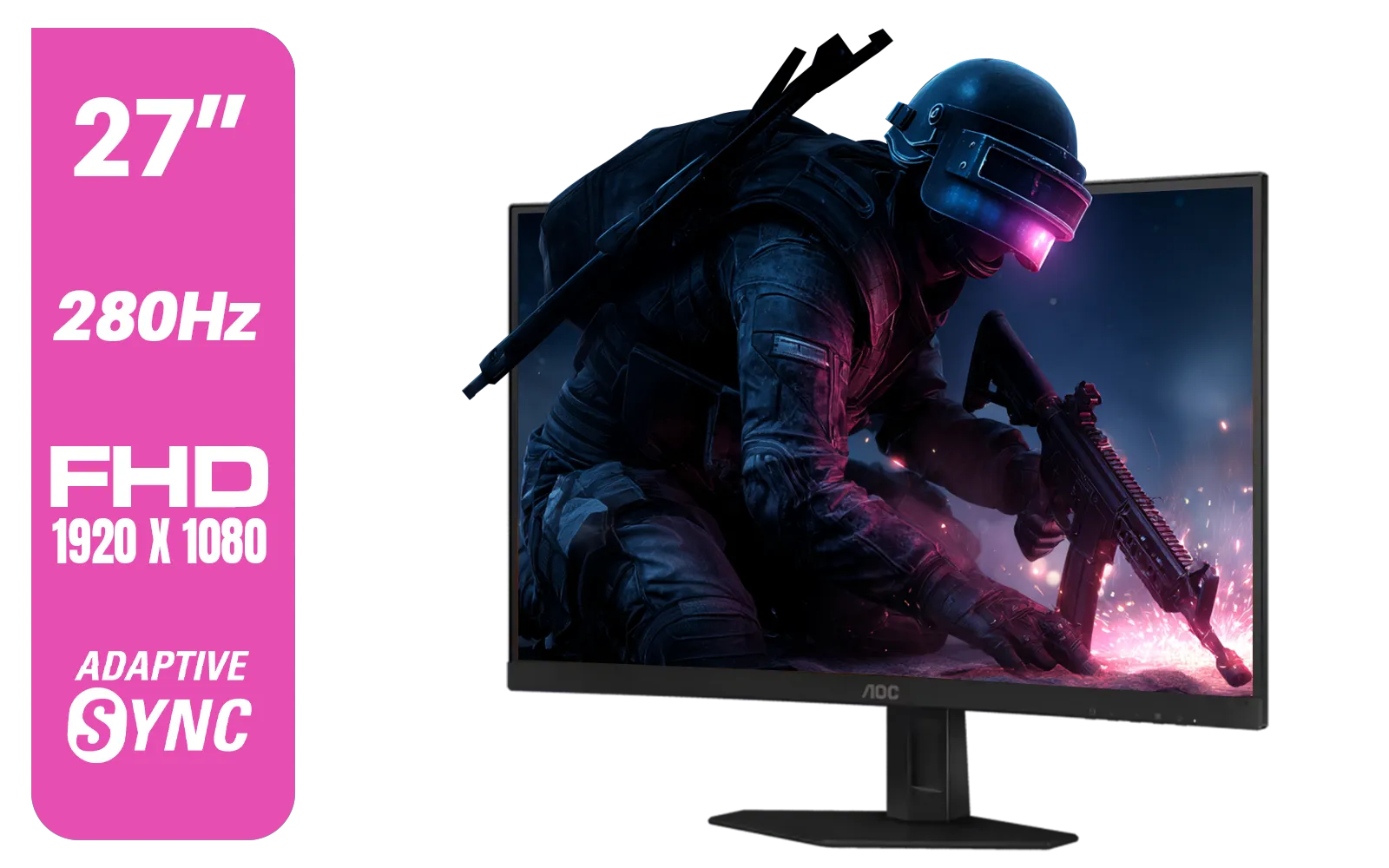
AOC C27G4ZE 27" 280Hz Curved Ultra-Fast Gaming Monitor, 1920 × 1080 (FHD), 0.3ms, Fast VA, 1500R, Adaptive Sync, Three-sided frameless design, Black / C27G4ZE
R4999.00In Stock
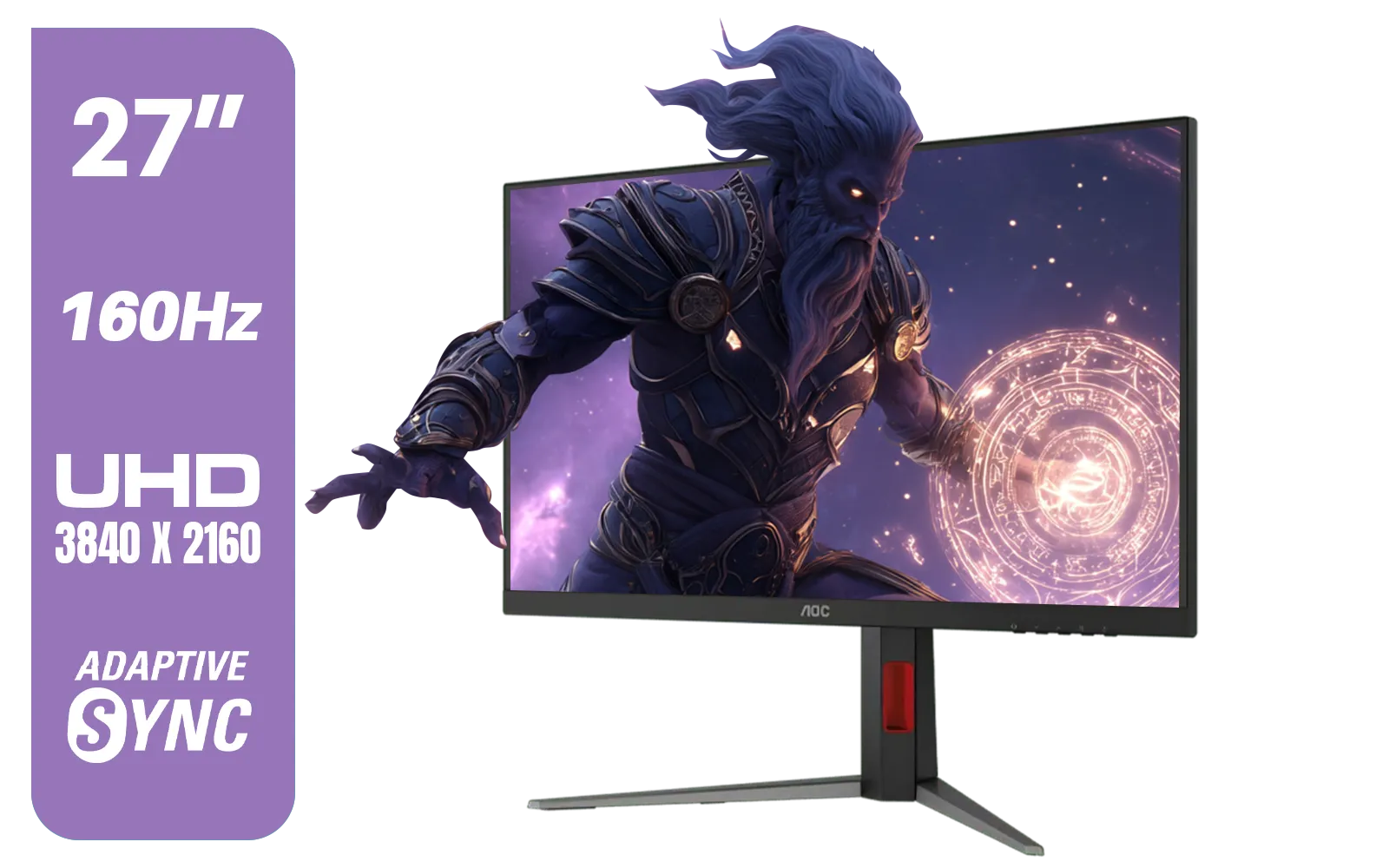
AOC U27G42 27" 160Hz Ultra-Fast Gaming Monitor, 3840 x 2160 (UHD), 0.5ms, Fast IPS, Adaptive Sync, 3-Sided Frameless Design, Black / U27G42
R9599.00In Stock
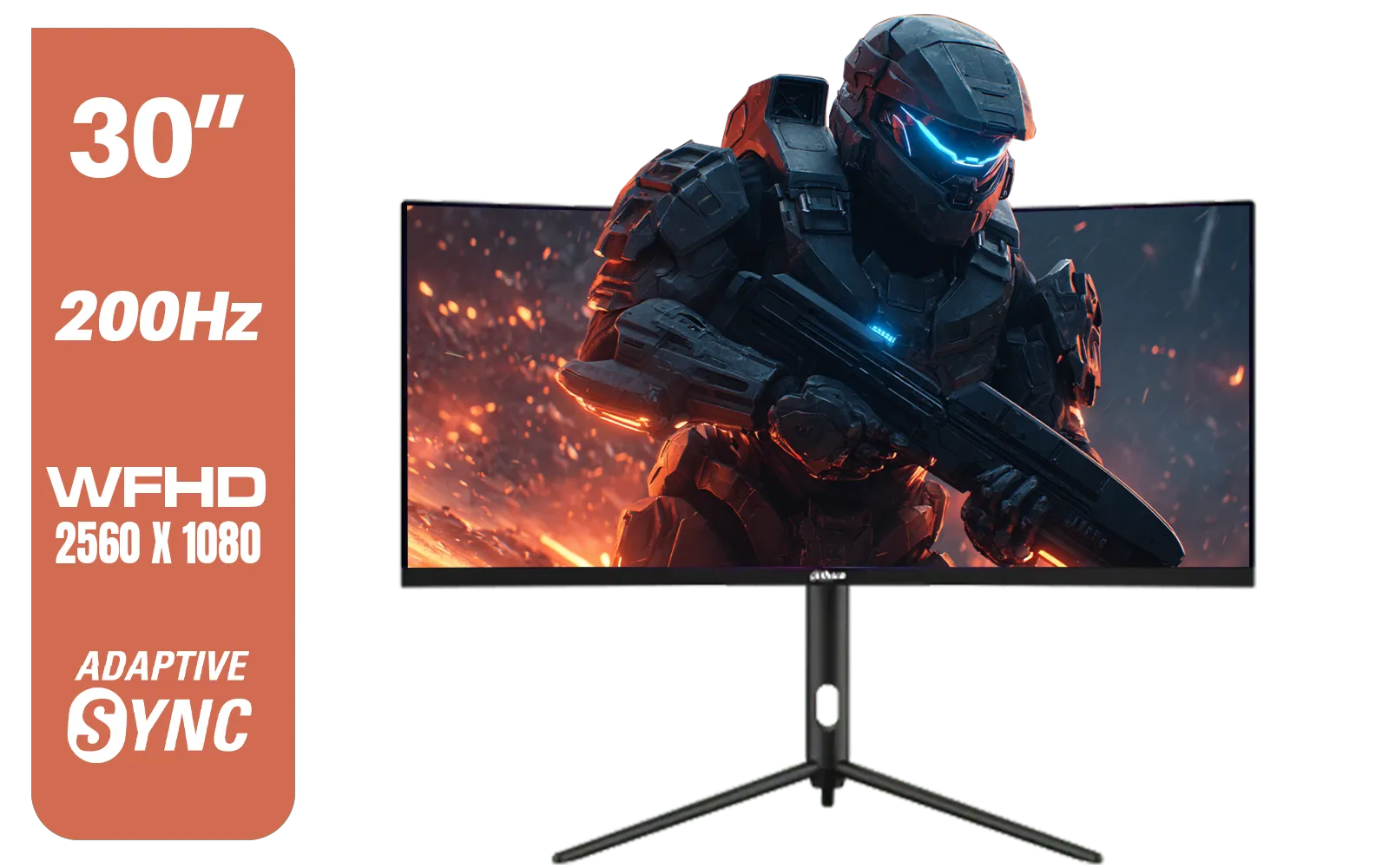
Dahua 30" Ultrawide WFHD 200Hz 1MS DCR Intelligent Adaptive-Sync HDMI DP VA Gaming Monitor Black / DHI-LM30-E330CA
R3999.00In Stock
ViewSonic TD1655 15.6" Full HD (1920 x 1080) Portable Touchscreen Monitor / Ultra-portable Design / Advanced in-cell Capacitive Touchscreen / 2-Way Power With USB Type-C / Frameless Design / Portrait and Landscape Modes / dual integrated speakers / TD1655
R5199.00In Stock
MSI G321Q 31.5" WQHD IPS 2K Flat Monitor, 170Hz Refresh Rate, 1ms MPRT Response Time, 1.07B Display Colors, 16:9 Aspect Ratio, 1200:1 Contrast Ratio, G-Sync / AMD Freesync, HDR, Black / 9S6-3DB91A-041
R6999.00In Stock

HP 524SF G5 FHD Gaming Monitor - Black/Silver / 24" FHD (1920 x 1080) / Anti-glare / 1x HDMI 1.4, 1x VGA / -5 to +25 degrees Adjustable Tilt / 94C17AS
R3699.00In Stock
The Case for 4K 144Hz: The Immersive Sweet Spot 🚀
For the majority of South African gamers, a 4K 144Hz monitor is the pinnacle of performance and visual fidelity. It's the perfect balance. You get those jaw-dropping 4K visuals combined with a refresh rate that is incredibly smooth for any game, from fast-paced shooters to cinematic RPGs.
Playing a game like Baldur's Gate 3 at 4K 144Hz is a truly premium experience. The world is richly detailed, and character movements are fluid and lifelike. This combination is the ideal choice if you play a wide variety of genres and also use your PC for watching movies or content creation. It's the ultimate all-rounder, and you can find a perfect fit within our complete collection of all gaming monitors available right now.
TIP FOR YOU
Check Your Rig's Reality 🔧
Before you splash out on a new monitor, use your GPU's software (like the NVIDIA GeForce Experience overlay) or a tool like MSI Afterburner to see what framerates you're actually getting in your favourite games at 4K. If your PC struggles to consistently hit 144 FPS, a 240Hz monitor won't provide any extra benefit at that resolution.
The Leap to 240Hz: A Competitive Edge? ⚡
So, is the jump from 144Hz to 240Hz worth it? The answer is... it depends. The law of diminishing returns is very real here. The difference between 60Hz and 144Hz is night and day. The difference between 144Hz and 240Hz is far more subtle, but for a certain type of player, it's a crucial advantage.
If your gaming life revolves around titles like CS2, Valorant, or Apex Legends, that fractional-second advantage can be the difference between winning and losing a round. At 240Hz, on-screen information is delivered to your eyes faster, tracking fast-moving targets becomes slightly easier, and the game feels almost telepathically responsive. Many serious esports players won't settle for less, and the range of PC monitors catering to this need is growing. For maximum focus, some pros even prefer curved monitors to keep every pixel within their peripheral vision.
The Brutal Reality: GPU Power and Your Wallet
Here's the hard truth: pushing 4K resolution at 240 frames per second is an immense task. You'll need an absolute top-tier graphics card, like an NVIDIA GeForce RTX 4090, to even come close in most modern games... and you'll likely still have to turn down some graphical settings.
This performance requirement comes at a significant cost, both for the GPU and the monitor itself. You need to ask yourself if that extra Randelas spent on a 240Hz panel could be better used elsewhere in your setup. Sometimes, perfecting your gaming space with the right monitor accessories like a quality VESA arm can make a bigger difference to your comfort and performance.

AOC 22B2HN, 21.5 Inch (54.6 cm) LED 1920 x 1080 Pixels Ultra Slim Monitor with 3 Sided Frameless Design, Va Panel, Hdmi/Vga Port, Full Hd, 7 Ms Response Time, 75 Hz Refresh Rate, Flicker Free, Black / AOC-22B2HN
R2099.00In Stock
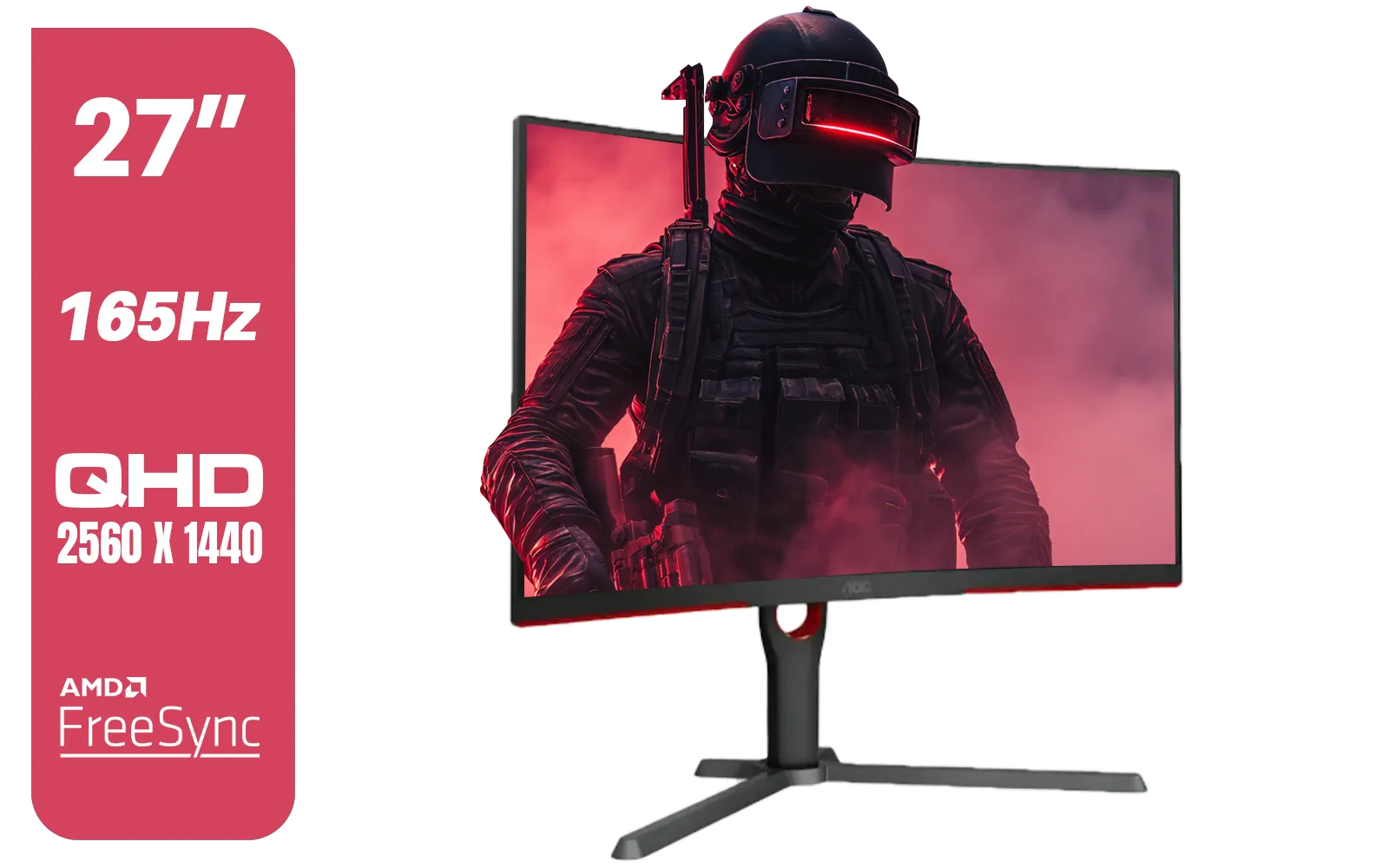
AOC CQ27G3S 27" QHD (2560x1440) 165Hz 1ms VA Curved FreeSync HDR Gaming Monitor / Superior High Quality Viewing / Ultra-smooth Tear-free Gaming / Enjoy top-tier Gaming Performance / Instant Response Times / Illuminate Your Visuals / Reducing Shortwave Blue Light / CQ27G3S
R6399.00In Stock
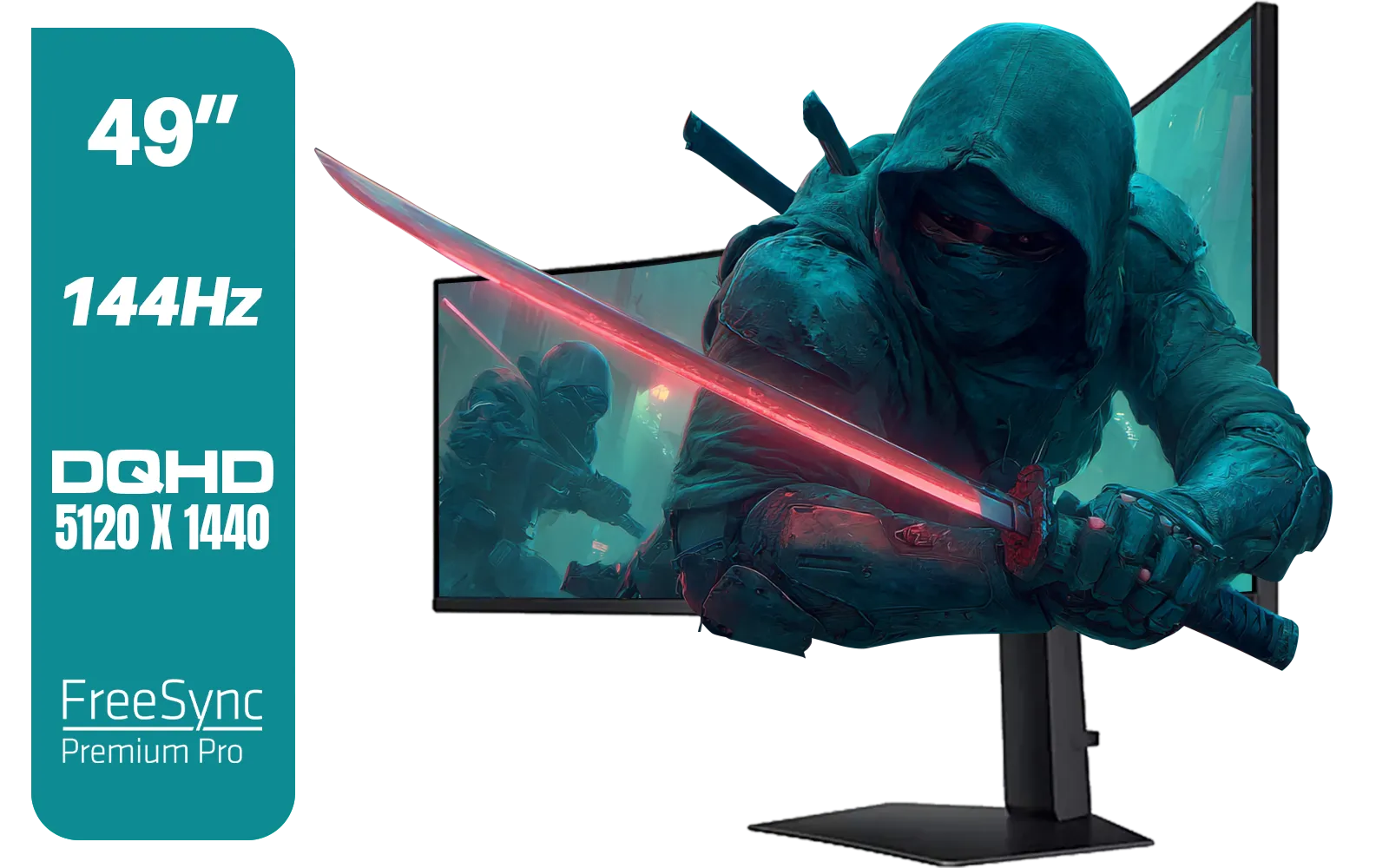
SAMSUNG Odyssey G9 Gaming 49" Monitor / DQHD (5120 x 1440) / 144Hz / GtG 1ms / FreeSync Premium Pro / LS49FG910EUXEN
R30899.00In Stock

AOC 24B20JH2 IPS Panel Monitor, FHD 1920x1080, 100Hz, 106% sRGB, for Home and Office, HDMI x1, VGA ×1, Low Blue Mode, Black / AOC-24B20JH2
R2299.00In Stock
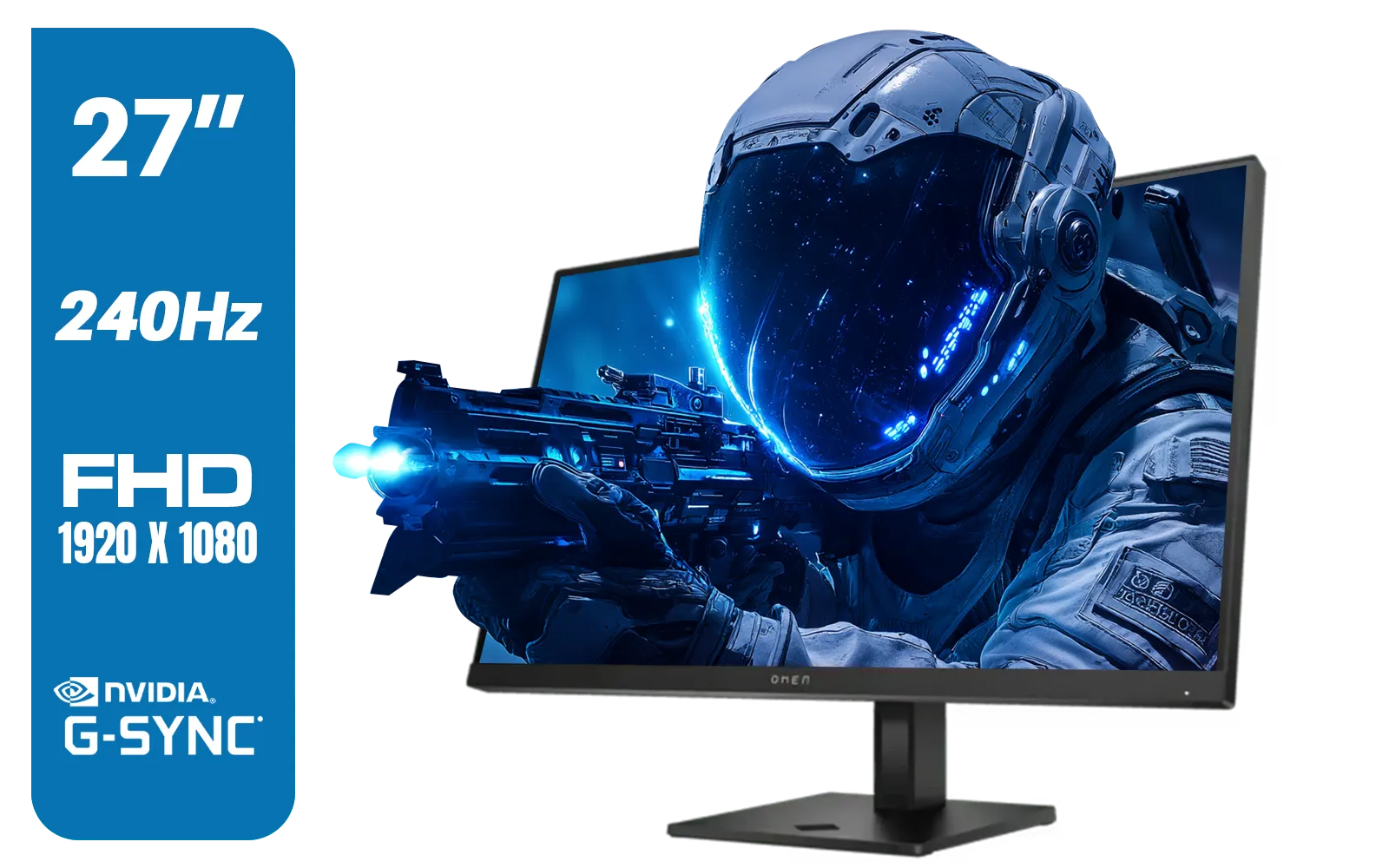
HP OMEN 27s FHD 240Hz Gaming Monitor - Black / VESA DisplayHDR 400 / NVIDIA® G-SYNC® Compatible / Integrated Dual 3W speakers / Customize aRGB lighting through OMEN Light Studio / 780G5AS
R8999.00In Stock

MSI PRO MP275W E2 27-inch IPS 1920 x 1080 (FHD) Gaming Office Monitor, 120Hz, Free-Synch, HDMI, DisplayPort, VGA Port, VESA Mountable, Tilt, Speaker, 4-Side Slim Bezel 1ms, White / 9S6-3PD3CM-030
R3199.00In Stock
The Final Verdict: Which Monitor Is Right for You? 🤔
The 4K 144Hz vs 240Hz gaming decision comes down to your personal priorities. Let’s make it simple:
- Choose a 4K 144Hz monitor if: You are an all-around gamer who loves AAA single-player adventures as much as the occasional online shooter. You value visual quality and immersion and want a fantastic, versatile display for gaming, work, and entertainment.
- Choose a 4K 240Hz monitor if: You are a dedicated, competitive esports player with a top-of-the-line PC. You prioritise refresh rate and response time above all else, and you have the budget for a no-compromise setup where every millisecond counts.
Ultimately, your main display is the centrepiece, but building the perfect gaming ecosystem can involve more. Sometimes a secondary portable monitor for your OBS stats or a Discord chat is just as crucial as your primary screen's refresh rate.
Ready to Upgrade Your View? The 4K 144Hz vs 240Hz gaming debate comes down to your games, your rig, and your budget. Whether you crave cinematic beauty or lightning-fast response times, we've got the screen for you. Explore our massive range of gaming monitors and find the perfect display to conquer your world.
Related Products
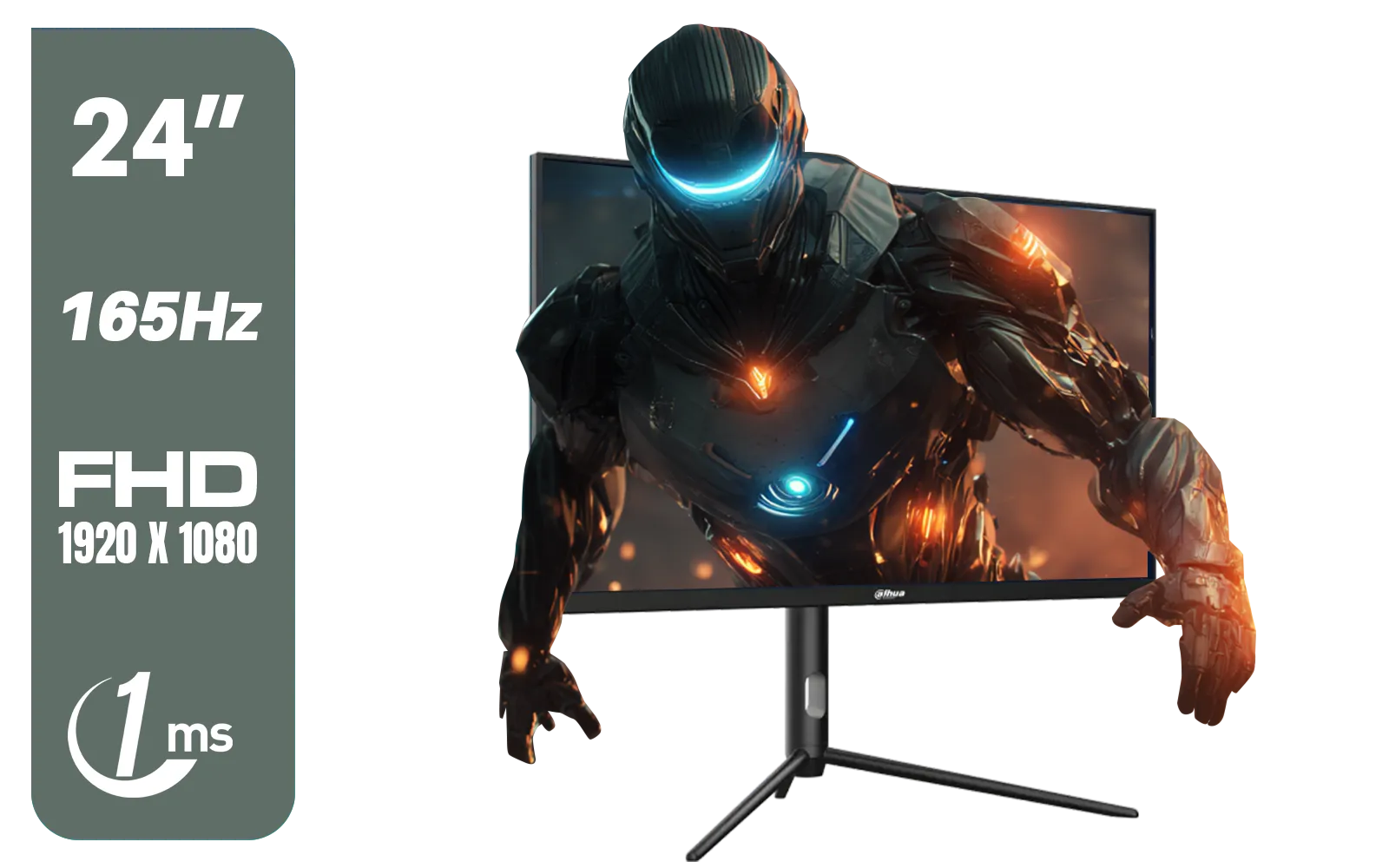
Dahua 24 inch FullHD IPS panel 165Hz 1ms fast response time Ultra-thin bezel Monitor with DisplayPort, HDMI, VGA, Height Adjustable Stand / DHI-LM24-E231A
R2899.00In Stock
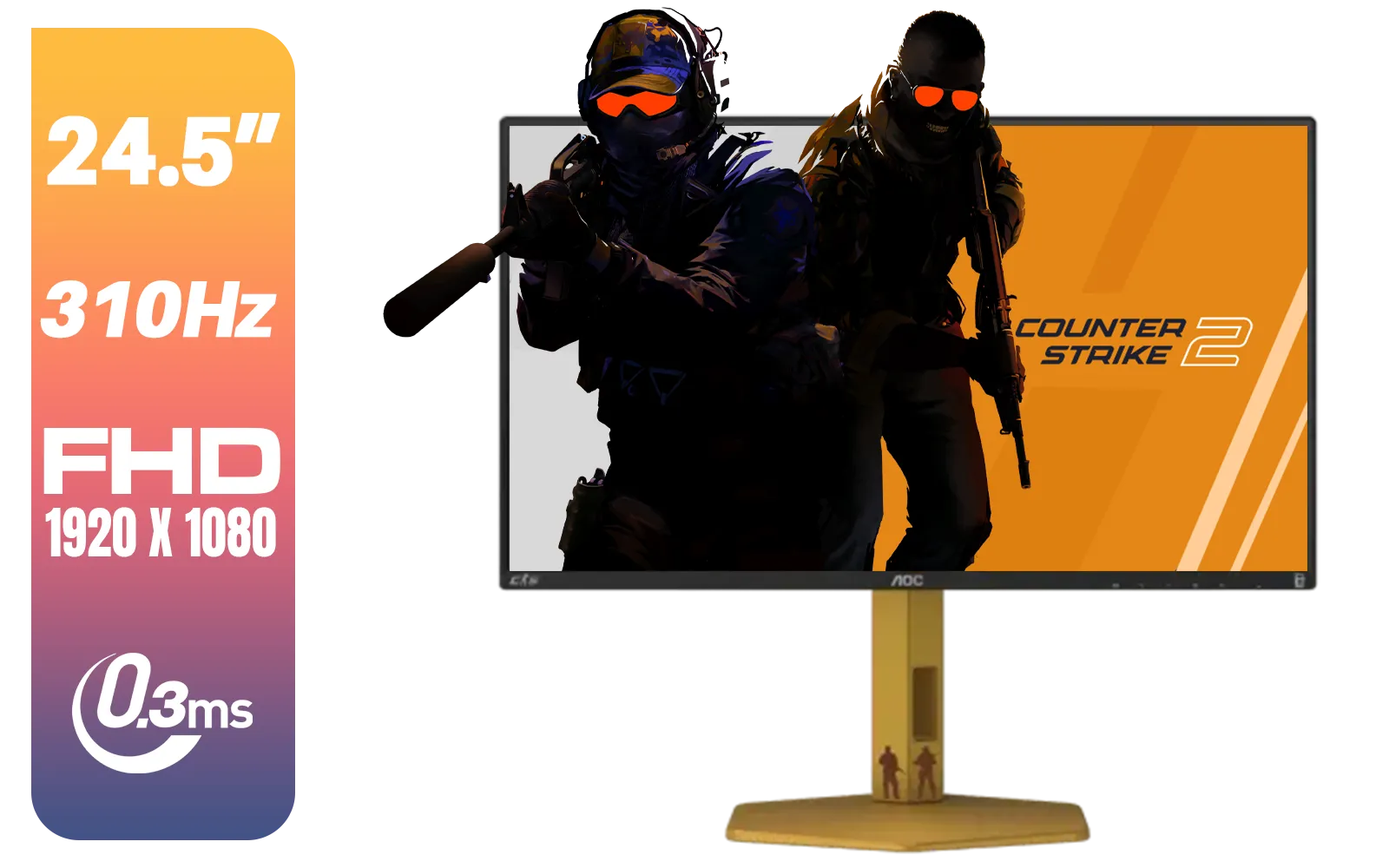
AOC CS25G 24.5" Gaming Monitor / FHD (1920 x 1080) / 310Hz Refresh Rate / 0.3ms Response Time / IPS-Level Display / Certified HDR400 / G-sync Compatible / CS25G
R4999.00In Stock
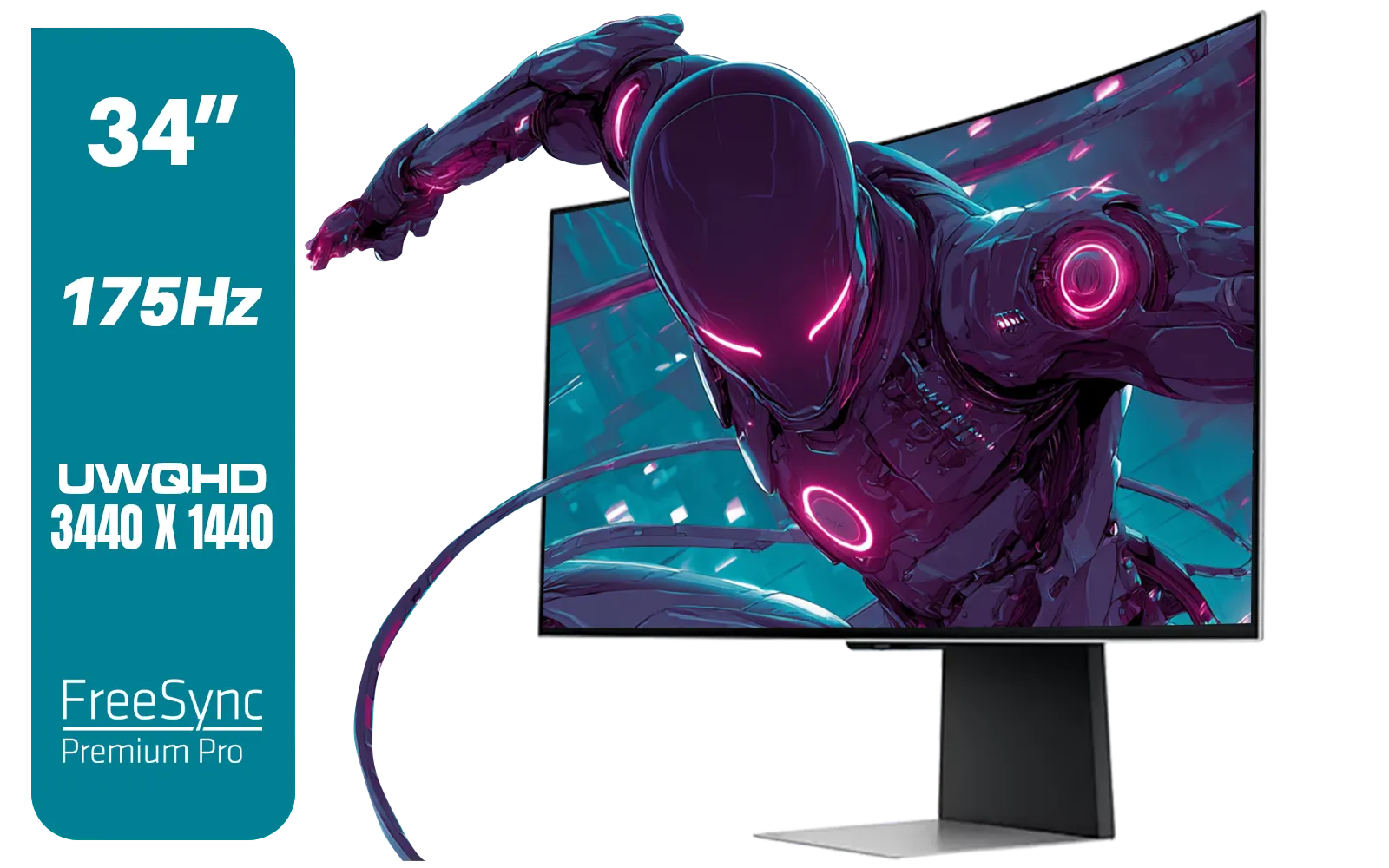
SAMSUNG Odyssey G8 Gaming 34" Monitor / 3440 x 1440 1800R OLED / 175Hz / GtG 0.03ms / FreeSync Premium Pro / G-Sync Compatible / LS34DG852SAXXA
R24999.00In Stock
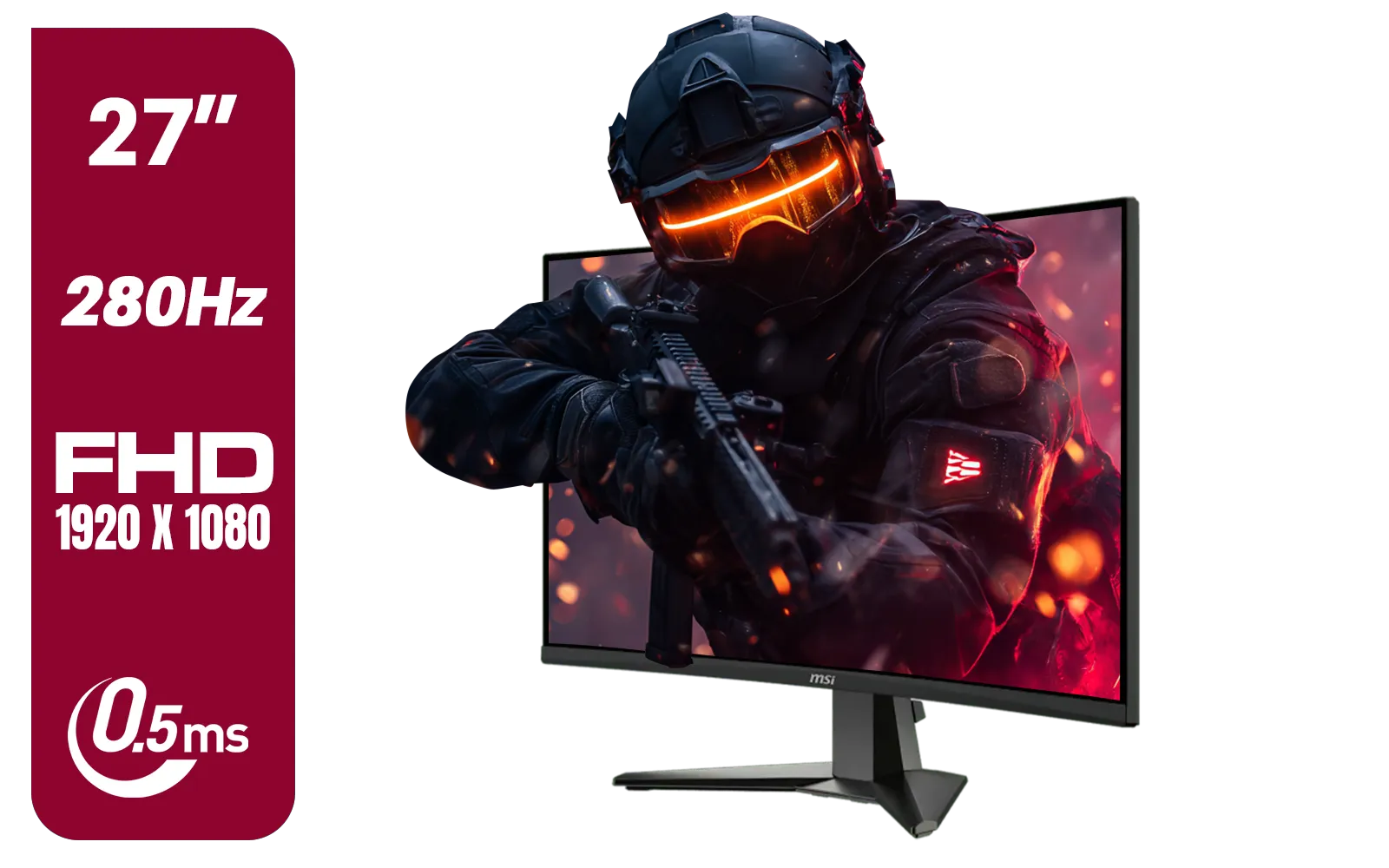
MSI MAG 276CXF 27-inch 1920 x 1080 (FHD) Curved Monitor, 280Hz, HDMI, DisplayPort, VGA Port, VESA Mountable, Tilt, Slim Bezel, 0.5ms, Black / 9S6-3CE01M-037
R4799.00In Stock

LG UltraGear Gaming Monitor 27GS75Q, 27 inch, 1440p, 200Hz, 1ms GtG, IPS Display, HDR 10, NVIDIA G-Sync & AMD FreeSync compatible / 27GS75Q
R5999.00In Stock
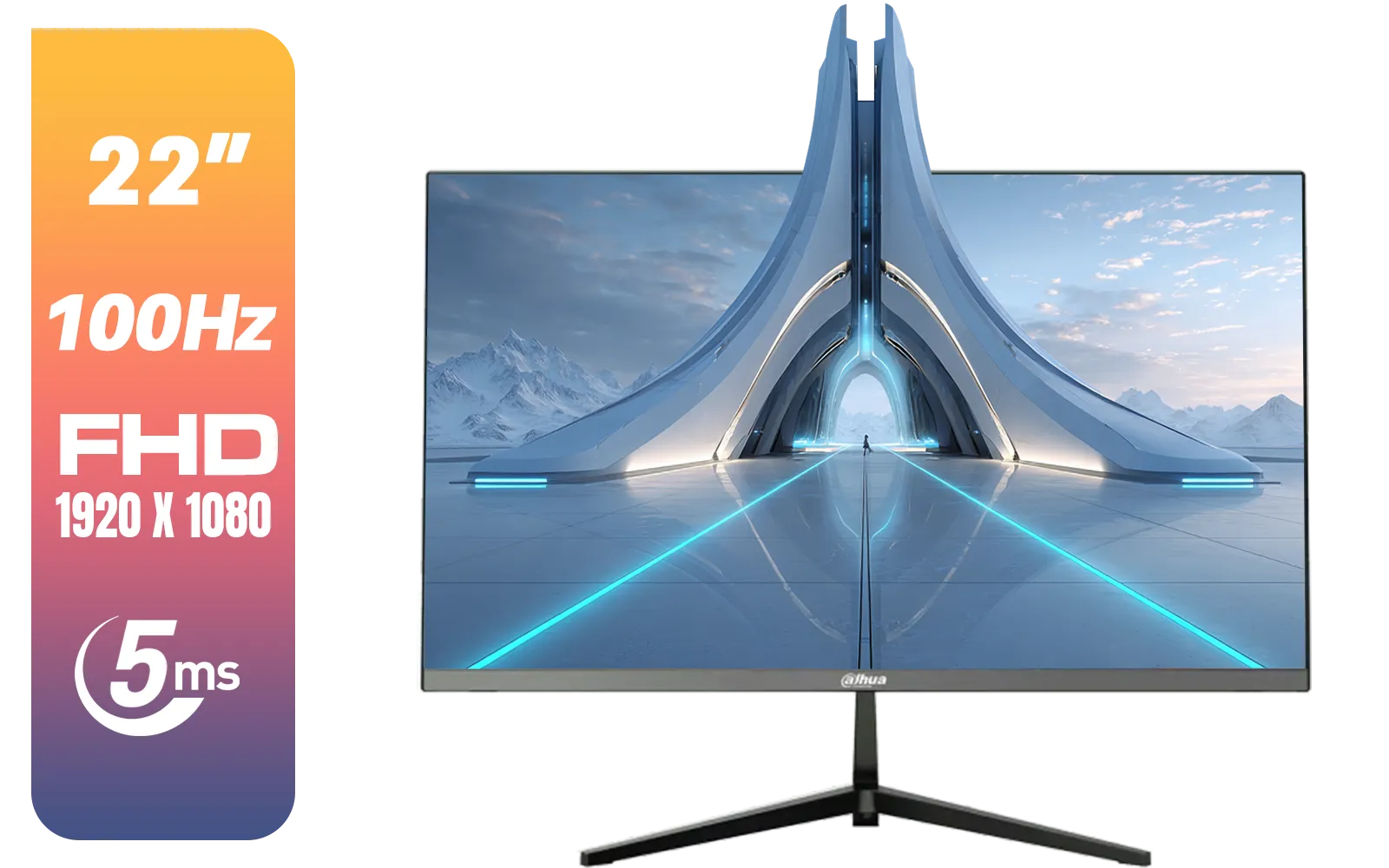
Dahua LM22-A200X 22" 100Hz LED Monitor / Ultra Narrow Bezel Design / 5ms Response Time / FHD 1920x1080 / 100Hz Refresh Rate / Anti Blue Light / DHI-LM22-A200X
R1399.00In Stock
Yes, competitive gamers notice smoother motion and reduced ghosting, though the diminishing returns are higher compared to the massive jump from 60Hz to 144Hz.
To hit 240fps at 4K, you need top-tier hardware like the RTX 4090, often relying on DLSS or FSR to maintain stable high frame rates in AAA titles.
Generally, no. Single-player RPGs benefit more from the visual fidelity of 4K 144Hz, as hitting 240fps in graphic-intensive games is extremely difficult.
Yes, higher refresh rates lower system latency. A 4K 240Hz monitor updates pixels every 4.17ms compared to 6.94ms on a 144Hz screen, offering snappier response.
Yes, or DisplayPort 2.1 (or DSC via DP 1.4). HDMI 2.1 provides the necessary bandwidth to support 4K resolution at high refresh rates on modern consoles and GPUs.
For pure esports, 240Hz is superior for motion clarity, but most pros prefer 1440p for higher raw frame rates. 4K 240Hz is the ultimate luxury hybrid choice.