Why 60Hz Just Doesn't Cut It Anymore
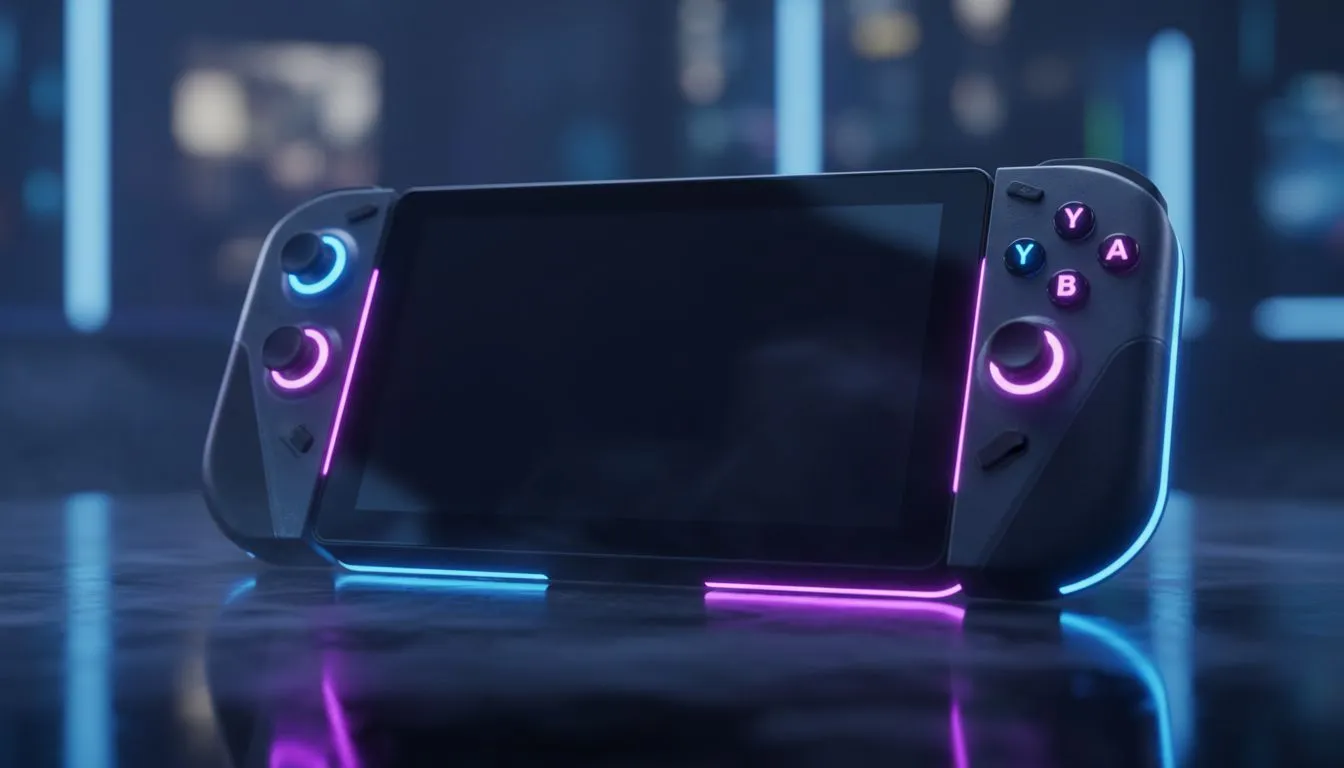
You know the feeling. You’re one chamber away from beating the final boss in Hades, but a micro-stutter ruins your dash timing. In fast-paced roguelikes, frames aren't just eye candy... they are survival. If you want to take your "just one more run" addiction on the road, you need hardware that keeps up with your reflexes. Here are the best high refresh rate handhelds to dominate in 2025.
The Need for Speed: Refresh Rates Explained
When you are dodging projectiles in Dead Cells or weaving through lava in the Underworld, visual clarity is everything. Standard 60Hz screens are fine for slow-paced RPGs, but for twitch-reaction games, you want a display that updates 120 times a second or more. This reduces input lag and makes motion blur almost non-existent.
Fortunately, the market has exploded with options. You can now browse a massive range of handheld gaming consoles right here in South Africa that rival desktop performance. Let’s break down the top contenders for your backpack.
The Big Screen Behemoth: Lenovo Legion Go
If you want to see every pixel of Dead Cells' gorgeous art style, size matters. The Lenovo Legion Go boasts a massive 8.8-inch QHD+ display with a blistering 144Hz refresh rate. It is arguably the most immersive way to play 2D action games on the go.
The detachable controllers also mean you can prop the screen up on a table—perfect for waiting out an unexpected outage at a coffee shop—and play with a more relaxed posture. For gamers who prioritize screen real estate and fluid motion, the Lenovo handheld range is a top-tier choice.
The VRR Champion: ASUS ROG Ally
High refresh rates are great, but Variable Refresh Rate (VRR) is the real game-changer. The ROG Ally (and the newer X variant) features a 120Hz screen with FreeSync Premium. Why does this matter for Hades?
When the screen gets chaotic with particle effects, frame rates might dip slightly. VRR syncs the display to the GPU instantly, eliminating screen tearing and stutter. It makes gameplay feel buttery smooth even if the performance fluctuates. It is widely considered the sweet spot for portable performance. Check out the latest ASUS ROG handhelds to experience VRR magic yourself. ⚡
Battery Life Hack 🔋
Roguelikes like Dead Cells and Hades are incredibly well-optimised. You don't need to run your handheld at 30W Turbo mode. Manually cap your TDP (Thermal Design Power) to 10W or 12W in your device settings. You will likely still hit 120FPS in these titles, but your battery will last hours longer—perfect for long flights or road trips.
The Ergonomic Challenger: MSI Claw
Entering the arena with Intel’s Core Ultra processors, the MSI Claw offers a 120Hz IPS-level touchscreen that makes colours pop. For games like Hades, where colour cues signal enemy attacks, this vibrancy is a competitive advantage.
Beyond the screen, the Claw focuses heavily on ergonomics and cooling. It is designed to fit naturally in your hands, reducing fatigue during those marathon gaming sessions where you refuse to quit until you beat the run. If you are looking for Intel-driven performance, the MSI handheld lineup is worth a serious look. 🚀
Which One Fits Your Playstyle?
In 2025, South African gamers are spoiled for choice. If you want the biggest screen, go Lenovo. If you want the smoothness of VRR, go ASUS. If you want ergonomic comfort, go MSI. Whichever you choose, playing high-octane roguelikes at 120Hz+ is an experience you won't want to give up.
Ready to Level Up Your Commute?
Don't let lag ruin your perfect run. Whether you are battling through the Underworld or exploring a sprawling castle, we have the gear to keep you in the game. Shop our full range of Handheld Gaming Consoles and experience portable power like never before.