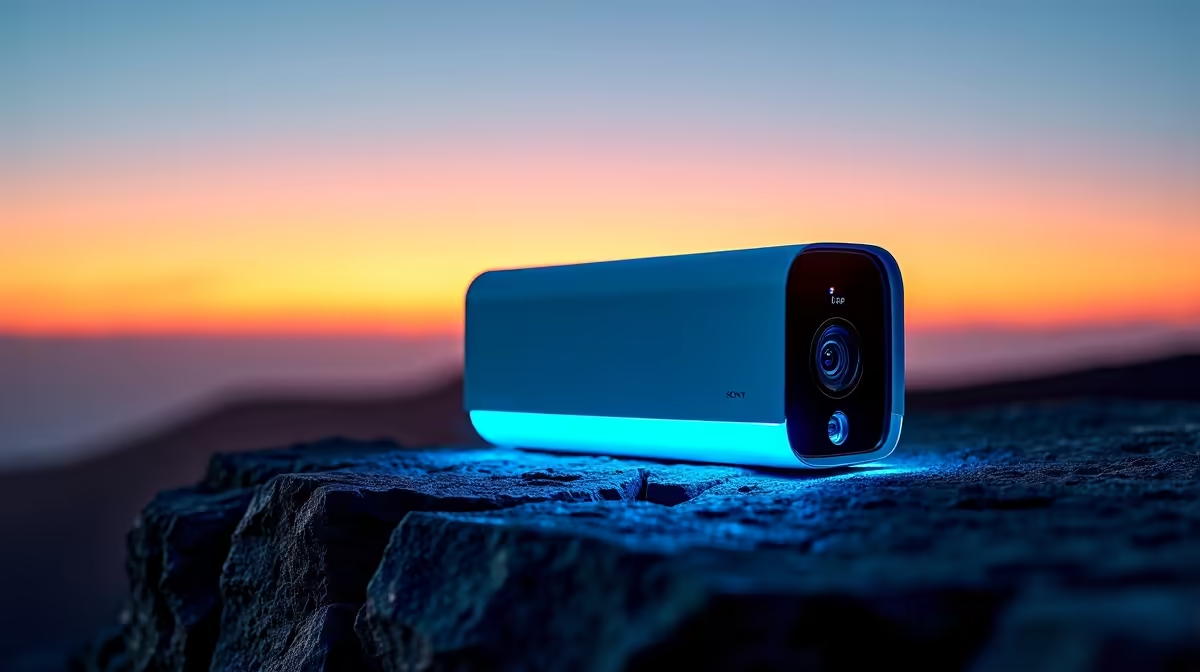
Home security has become a priority for South African homeowners, and outdoor smart cameras have evolved dramatically - delivering 4K resolution, AI-powered detection, two-way audio, and reliable connectivity in a single unit. Choosing the right camera for SA conditions means accounting for local factors: harsh sunlight, high ambient temperatures, power considerations, and the need for robust, tamper-resistant builds.
Quick Answer
The best outdoor smart cameras for SA home security in 2026 are those offering 2K or 4K resolution, IP66 or higher weatherproofing, local storage options (SD card or NAS), reliable motion detection with AI filtering, and compatibility with both Wi-Fi and wired connections. Look for cameras with colour night vision and strong local app support.
What Makes an Outdoor Smart Camera Suitable for SA 🔧
South African outdoor environments present specific challenges for security cameras. High UV exposure in SA's sunny climate degrades cheaper plastic housings and can affect lens coatings over time - look for cameras rated IP66 or IP67 for dust and water resistance, and UV-resistant housing materials. Ambient summer temperatures in Gauteng, Limpopo, and the Northern Cape regularly exceed 35°C, pushing cameras mounted in direct sun to operational temperatures that cheaper units can't sustain. Reputable cameras specify an operating temperature range of up to 50°C or higher.
Connectivity reliability is critical. Wi-Fi-connected cameras should support dual-band (2.4GHz and 5GHz) to give you flexibility based on signal strength at your mounting point. For perimeter cameras covering a gate or boundary wall far from your router, a wired Power over Ethernet (PoE) connection is significantly more reliable than Wi-Fi. Consider a networking setup that includes a PoE switch if you're installing multiple cameras.
Local storage matters in SA - cloud subscription costs add up over time, and network interruptions shouldn't create gaps in your footage. Prioritise cameras with onboard SD card slots (64GB minimum) or NAS/local server recording capability. AI-powered detection that differentiates between people, vehicles, and animals significantly reduces false alert fatigue - essential in SA where wildlife, cats, and passing vehicles can trigger constant notifications on lesser systems.
Top Features to Prioritise in 2026 💡
Resolution: 2K (2560x1440) is the minimum for useful facial and licence plate capture. 4K provides clearer evidence-grade footage at greater distances - valuable for gate cameras covering a wide entrance. Night vision: Colour night vision (using a spotlight or IR illumination) dramatically outperforms monochrome IR in practical use, allowing you to identify clothing colours and vehicle colours in footage. Two-way audio: A built-in speaker and microphone lets you communicate with or deter intruders remotely via your smartphone app. Pan/tilt capability: For cameras covering a wide area like a yard or parking area, motorised pan/tilt with motion tracking ensures you capture the full scene rather than a single fixed angle.
Power: Most outdoor smart cameras are either mains-powered (most reliable) or battery-powered (most flexible placement). Solar-assisted battery cameras work well in SA's sun-rich climate and significantly extend battery life between charges. A UPS unit protecting your router and NVR ensures your camera system stays online during brief power interruptions.
Installation and Integration Tips ⚡
Mount outdoor cameras at 2.5m–3m height - high enough to prevent easy tampering, low enough to capture useful facial detail. Angle downward at approximately 15°–30° for optimal person detection coverage. Avoid mounting with bright light sources (streetlights, sun) directly in the camera's field of view, as this causes lens flare and silhouetting of subjects. Integrate your cameras with a smart home hub if possible - systems that tie into Google Home, Apple HomeKit, or similar platforms allow automated responses like activating outdoor lights when motion is detected. For multi-camera setups, an NVR (Network Video Recorder) provides centralised local recording and management. Check compatibility between camera brands and your chosen NVR before purchasing - not all cameras are cross-compatible.
For full smart home and security hardware availability, the smart watches and smart tech range at Evetech covers connected devices, and the full product catalogue includes networking and security infrastructure.
Frequently Asked Questions ❓
Q: Do outdoor smart cameras work with South African solar power setups? A: Yes - mains-powered cameras work on any stable power source including solar inverter systems. Solar-powered cameras work excellently in SA's high-sunlight environment, often exceeding rated battery life.
Q: What IP rating do I need for an outdoor camera in SA? A: IP65 is the minimum for outdoor use; IP66 or IP67 is recommended for cameras exposed to rain or direct hosing during cleaning. Higher ratings ensure long-term durability.
Q: Is cloud storage or local storage better for SA home security cameras? A: Local storage (SD card or NAS/NVR) is generally more practical for SA - it eliminates monthly subscription costs, works during internet outages, and keeps footage within your control.
Q: Can smart cameras integrate with an existing alarm system in SA? A: Many modern smart cameras offer alarm system integration via API or smart home platforms. Check compatibility with your specific alarm system before purchasing.
Evetech stocks Graphics Card Deals and Evetech Best Sellers — shop online with fast delivery across South Africa.
Ready to Find Your Perfect Match? Explore relevant Evetech options, compare current South African pricing, and choose hardware that fits your setup. Shop now