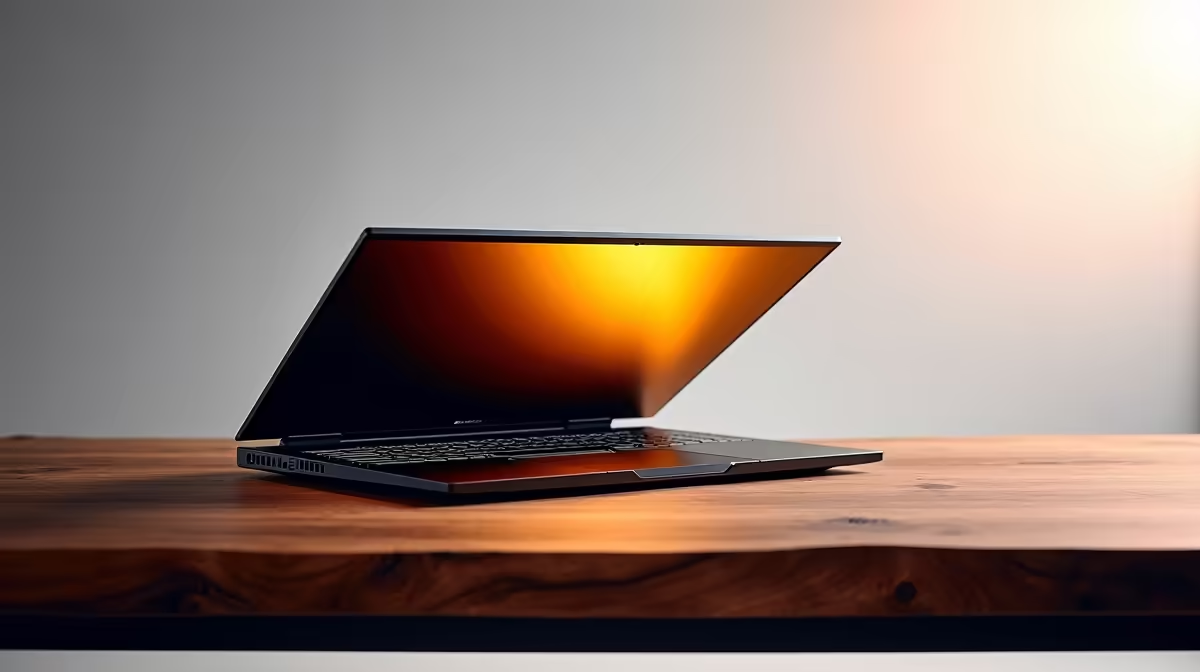
Your deadline is looming, the render bar is crawling, and EskomSePush has just sent that notification. Sound familiar? In South Africa, getting the most out of your gear isn't just a goal; it's a survival skill. A powerful video editing laptop is a beast, but even beasts need care. This guide covers essential laptop maintenance for video editing, ensuring your machine stays fast, reliable, and ready to crush your next project... even when the lights go out.
Why Performance Maintenance is Non-Negotiable
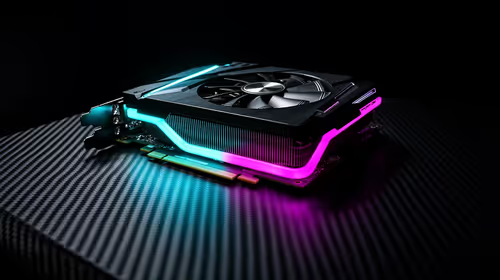
Video editing is a marathon for your laptop's hardware. Exporting a 4K timeline hammers your CPU and GPU, scrubbing through footage taxes your RAM, and large project files constantly read and write to your SSD. Without regular care, heat builds up, components get stressed, and performance drops. This is called thermal throttling—your laptop slowing down to avoid overheating—and it's the number one enemy of a smooth workflow. Proper video editing laptop maintenance isn't just about cleaning; it's about preserving your investment.
The Essential Maintenance Checklist 🔧
1. Conquer the Dust: Keep Your Cool
Your laptop’s fans are its lungs. When they get clogged with dust and fluff, your machine can’t breathe… or cool itself effectively.
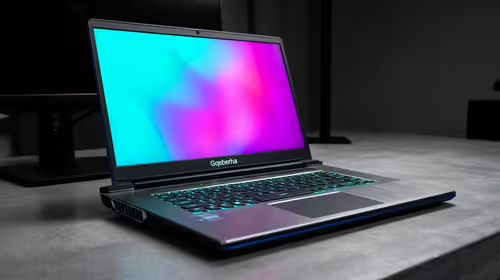
- The Fix: At least every six months, use compressed air to clear out the vents. Make sure the laptop is completely off and unplugged. Short, controlled bursts are key. A cooler laptop is a faster laptop, period. It's a key reason many creators choose high-performance gaming laptops for editing; they're built with superior cooling systems from the start.
2. Update Everything: The Digital Tune-Up
Outdated software is a recipe for bugs, crashes, and poor performance. Keeping your digital toolkit sharp is a core part of effective laptop maintenance for video editing.
This applies whether you're working on powerful laptops powered by AMD or relying on the latest Intel-based machines for their unique hardware acceleration features.
Pro Cache-Clearing Tip ⚡
In DaVinci Resolve or Premiere Pro, your cache files can quickly eat up gigabytes of space, slowing down your SSD. Routinely navigate to your project settings and clear the media cache. For even better performance, dedicate a separate, fast SSD just for your cache files and scratch disks.
3. Storage Sanity: A Tidy SSD is a Happy SSD
An almost-full SSD doesn't just mean you can't save your project; it actively slows down your entire system. SSDs need free space to perform background maintenance tasks and operate efficiently.
- The Fix: Aim to keep at least 15-20% of your primary drive free. Use built-in tools like Windows Storage Sense or macOS's Optimise Storage. Regularly move completed projects and old footage to an external hard drive or NAS.
Knowing When Maintenance Isn't Enough 🚀
You've cleaned the fans, updated the drivers, and cleared your cache... but renders still take an eternity. Sometimes, technology just moves on. If your laptop is over four years old and struggles with 4K timelines or complex colour grades, no amount of maintenance can add more RAM or a faster GPU. Recognising when it's time to upgrade is just as important as maintaining your current gear. An investment in a new machine can save you hundreds of hours in the long run.
Ready for a Render Speed Upgrade?
Effective laptop maintenance can breathe new life into your machine. But when you're ready for more cores, a faster GPU, and lightning-quick exports, we've got you covered. Explore our massive range of laptop specials and find the perfect editing powerhouse for your workflow.