Why Physics Calculations Matter for Your Rig
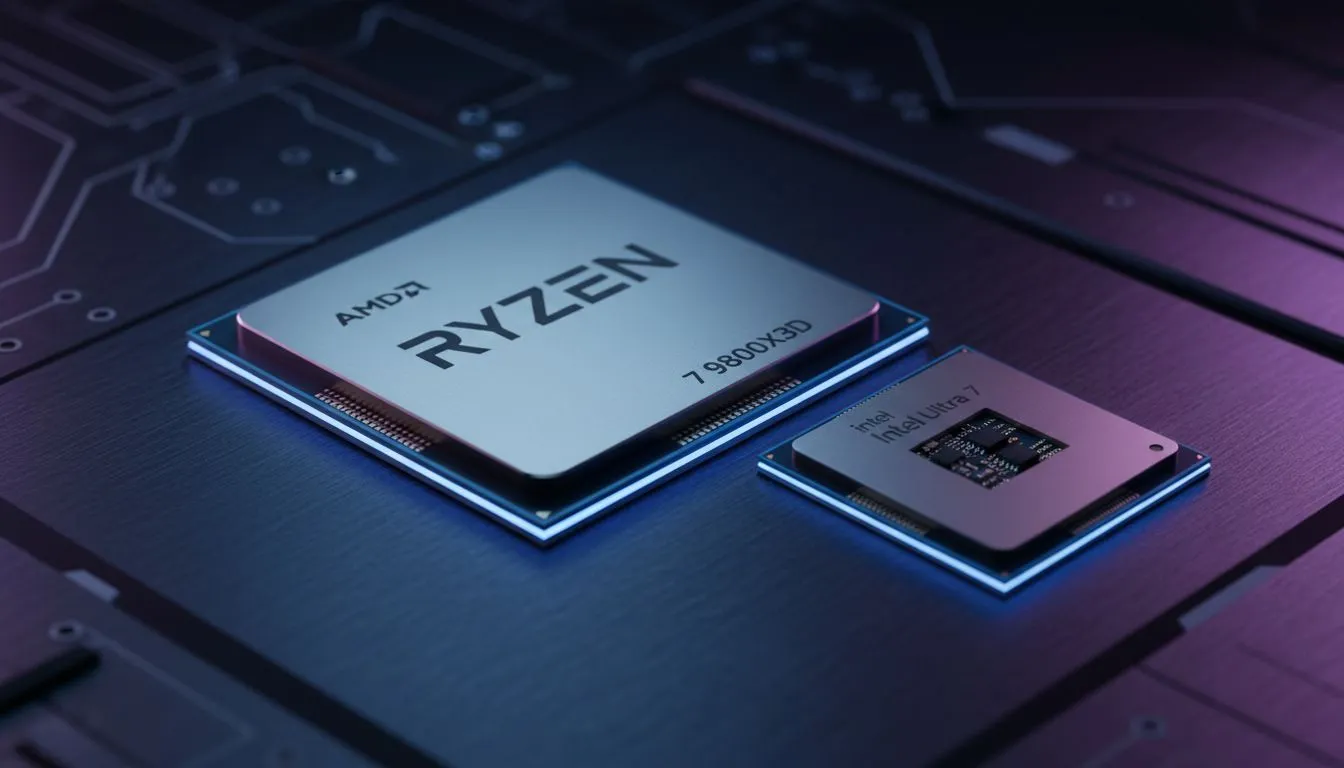
Choosing between the Ryzen 7 9800X3D vs Intel Ultra 7: Best for Physics Calculations isn't just about clock speeds anymore. Whether you are simulating complex destruction in modern titles or running heavy engineering workloads in South Africa, your CPU choice dictates your frame time consistency. Both chips represent the pinnacle of current engineering... but they handle the heavy math of physics engines in fundamentally different ways.
When you look to buy CPU processors online, you're investing in the "brain" that calculates every collision and particle effect. Physics-heavy games like BeamNG.drive or Cities: Skylines II rely heavily on how quickly a processor can access data. This is where the architectural differences between Team Red and Team Blue become most apparent for local enthusiasts.
The Ryzen 7 9800X3D Edge in Complex Simulations
The AMD CPU lineup has been transformed by the introduction of second-generation 3D V-Cache. For physics calculations, this massive L3 cache acts like a high-speed staging area. It allows the processor to store complex simulation data closer to the execution cores. This reduces the time the chip spends waiting for information from your RAM... a common bottleneck in physics-heavy environments. 🚀
In South Africa, where we often deal with higher ambient temperatures, the 9800X3D's improved thermal design is a major win. By placing the cache under the cores rather than on top, AMD has made it easier to keep the chip cool during long gaming sessions. This ensures that your physics calculations don't throttle just as the action gets intense.
Physics Pro Tip ⚡
When setting up a rig for physics-heavy games, ensure you enable 'Resizeable BAR' in your BIOS. This allows the CPU to access the entire GPU frame buffer at once... significantly smoothing out the communication between your physics calculations and the visual rendering on screen.
Intel Ultra 7: Brute Force and Efficiency
The latest Intel CPU architecture takes a different approach with the Ultra 7 series. By utilising a tile-based design, Intel focuses on high throughput and extremely fast individual core speeds. While it might not have the massive cache of its rival, it compensates with raw frequency and a sophisticated thread director. 🔧
For users who balance gaming with productivity, the Ultra 7 offers a versatile middle ground. Its architecture is designed to optimise power consumption... which is a vital consideration for South Africans looking to manage their electricity usage or UPS runtime during load shedding. It handles multi-threaded physics simulations with a level of precision that few other chips can match.
Final Verdict for South African Gamers
If your primary goal is the absolute smoothest frame rates in titles with heavy destruction and complex AI, the 9800X3D holds a slight lead. However, if you need a balanced machine that handles physics calculations alongside professional video editing or 3D rendering, the Ultra 7 is a formidable contender. Both chips represent excellent value in the ZAR 8,000 to ZAR 11,000 price bracket, depending on current local stock and deals. ✨
Ready to Find Your Perfect Match?
Deciding between the Ryzen 7 9800X3D vs Intel Ultra 7: Best for Physics Calculations is a big step for any builder. For maximum power, choice, and the best tech value in South Africa, our experts are here to help. Explore our massive range of CPU specials and find the perfect heart for your next gaming masterpiece.