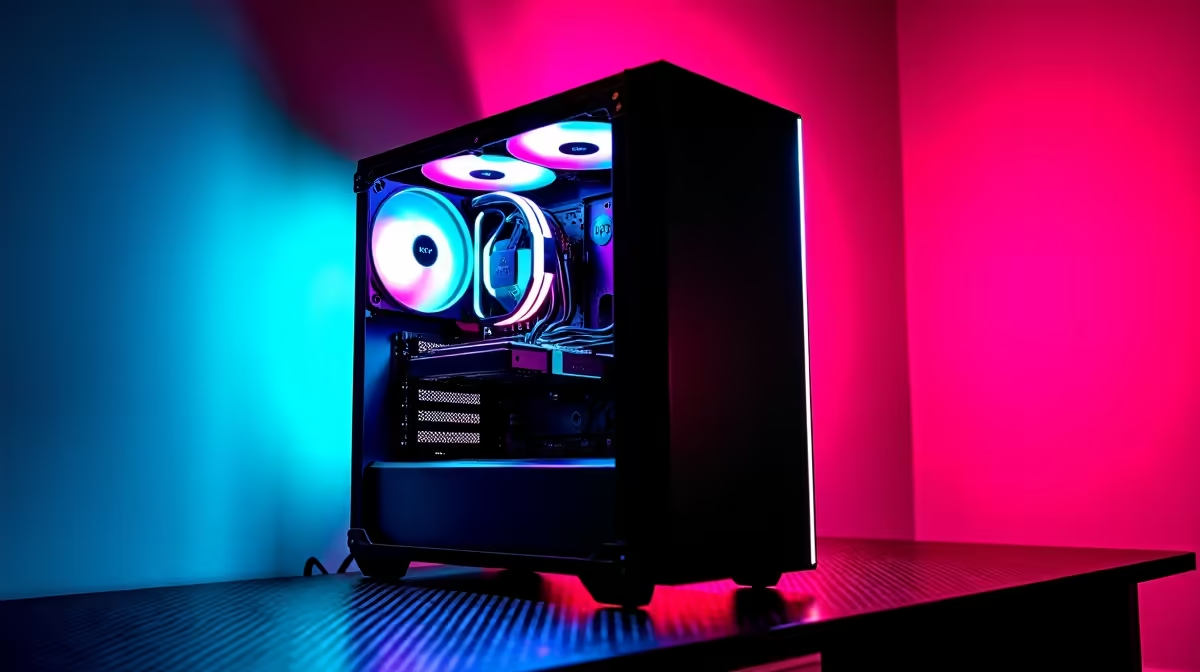
An AI upscaling rig is enough for 2D animation when its processor, graphics, memory and software support the actual drawing, compositing and export workflow. Upscaling capability alone proves little. The Palit RTX 5060 8GB graphics card at R4,800 is a balanced component reference for testing GPU-assisted applications.
Animate a complete representative scene before choosing any hardware upgrade
Open a representative scene with the normal canvas size, layers, effects and frame count. Scrub the timeline, preview movement and export to the delivery format. Then run the intended upscaling tool on a typical clip, measuring GPU memory, system memory, render time, temperatures and storage growth.
Confirm current application and AI-framework support, motherboard slot, PSU connectors, case clearance, cooling, display outputs, drivers and warranty. A GPU change will not correct slow brush input caused by drivers, a processor-heavy effect or an overloaded project file.
Keep source artwork, scene files, fonts, audio and exports in organised folders with independent backups. Preserve an original-resolution master before AI processing and inspect line edges, text and colour after enlargement. Record the stable software and driver versions.
Use the current rig when the representative animation and upscaling tests remain dependable. Upgrade the measured GPU, processor, memory or storage limit rather than rebuilding around a vague AI label.
Combining animation and upscaling? > Match Evetech GPUs to both tested software workflows.