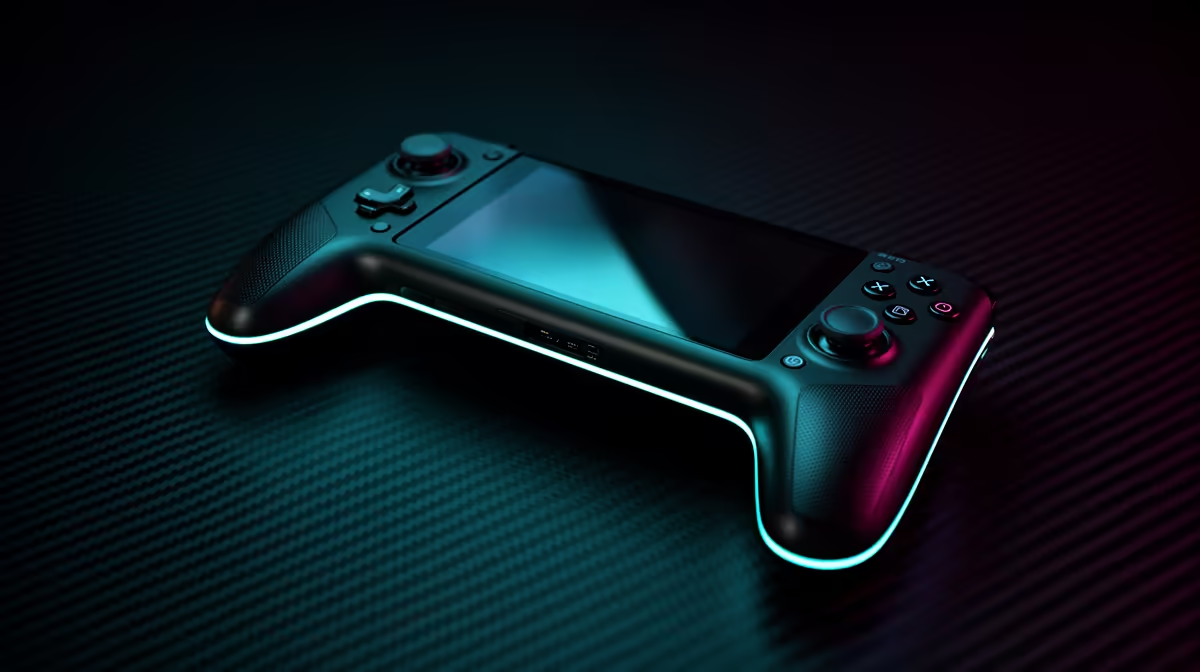
Android gaming handhelds have spent the last two years recycling the same chips, so a device that jumps to brand-new silicon stands out immediately. The Ayn Odin 3 is the first handheld built around Qualcomm's Snapdragon 8 Elite, pairing that flagship chip with a 6-inch 120Hz AMOLED screen and a large 8,000mAh battery. For emulation, the chip is the headline, and it changes what this class of device can attempt.
Quick Answer
The Ayn Odin 3 is the first handheld to ship with the Snapdragon 8 Elite, a current flagship mobile chip. It has a 6-inch 1080p AMOLED panel at 120Hz, an 8,000mAh battery, and starts around 299 US dollars on its crowdfunding launch, with retail configurations rising from there. No local SA stockist carries it, so a buyer here imports it and budgets for customs duty on top of the rand-converted price.
Why the Snapdragon 8 Elite Matters
Most Android handhelds use older or mid-range chips, which puts a hard limit on how demanding an emulator they can run smoothly. The Snapdragon 8 Elite is a flagship part more commonly found in top-tier phones, and dropping it into a handheld is a real generational step up over the Snapdragon 8 Gen 2 that powered the previous wave.
That extra headroom is what opens the door to heavier emulation. PlayStation 2 and GameCube become realistic targets at stable frame rates, and even early PlayStation 3 titles come within reach where emulator support exists. The caveat is software: some emulators still have limited driver support on the newest chips, so day-one results vary by system. People comparing this against pocket PC options can see the broader category in the handheld gaming consoles range at Evetech.
The Rest of the Hardware
The screen is a strong match for the silicon: a 6-inch AMOLED at 1920 by 1080, running up to 120Hz for fluid motion. The 8,000mAh battery is large for the class and supports fast charging to refill it quickly. Configurations scale from a base model with 8GB of RAM and 128GB of storage up to high-end variants with far more memory and faster storage, with prices climbing accordingly. Hall-effect joysticks round it out, using magnetic sensing that resists the stick drift that plagues older designs.
What SA Buyers Should Weigh
No South African retailer stocks the Odin 3, so getting one means importing. That introduces three costs beyond the headline price: the rand conversion at the time of purchase, international shipping, and import duty plus VAT charged on arrival. Budget realistically for all three rather than the sticker price alone, and factor in that warranty support and returns are slower and pricier across a border. If you would rather avoid the import hassle entirely, locally stocked handhelds and pocket gaming PCs in the PC best sellers come with local support and no customs surprises.
Frequently Asked Questions
What chip is in the Ayn Odin 3?
The Qualcomm Snapdragon 8 Elite, a current flagship mobile processor. The Odin 3 is the first gaming handheld to use it, which is its main claim and the reason its emulation ceiling is higher than earlier Android handhelds.
Can the Odin 3 run PlayStation 2 and GameCube games?
The chip has the performance for stable PS2 and GameCube emulation, and early PS3 titles are within reach where emulators support them. Actual results depend on each emulator's driver support for the newest silicon, which is still maturing.
How much does the Ayn Odin 3 cost?
It starts around 299 US dollars during its crowdfunding launch, with retail configurations rising into the higher hundreds depending on RAM and storage. For an SA buyer, add rand conversion, shipping, and import duty to reach the real landed cost.
Is it sold in South Africa?
No local retailer stocks it, so it has to be imported. That means accounting for customs duty and VAT on top of the converted price, plus slower cross-border warranty support if anything goes wrong.
Drawn to a powerful Android handheld but wary of import costs? Compare it against locally stocked options in the handheld gaming consoles range at Evetech, where you skip the customs maths and keep local support.