Quick Answer
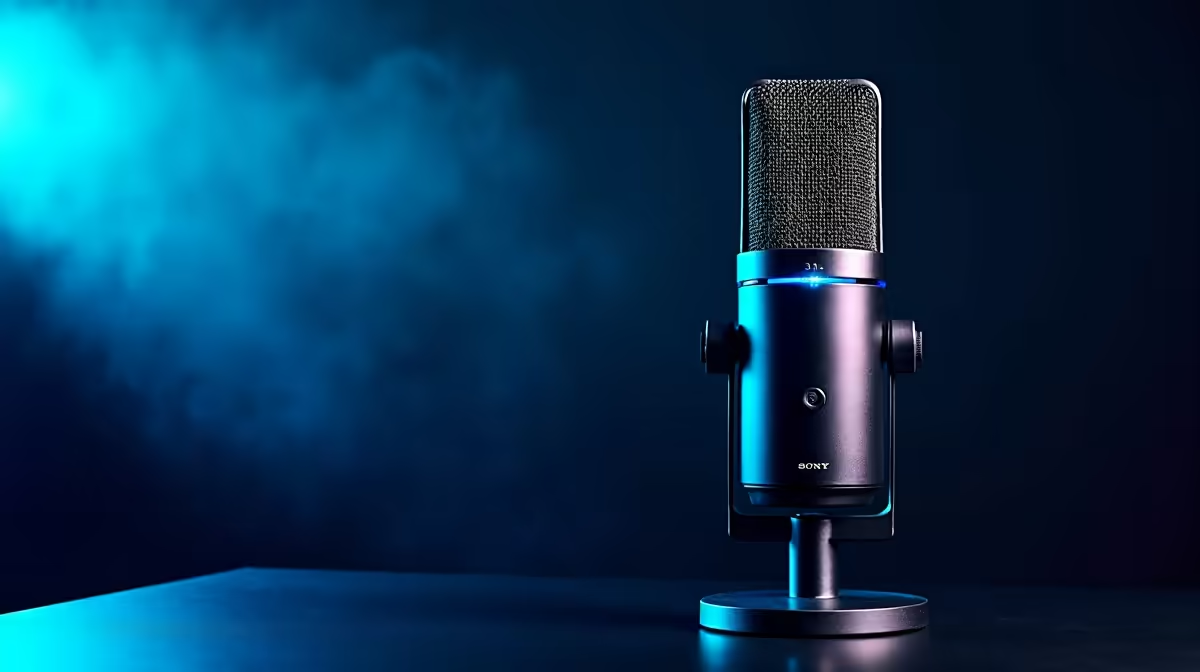
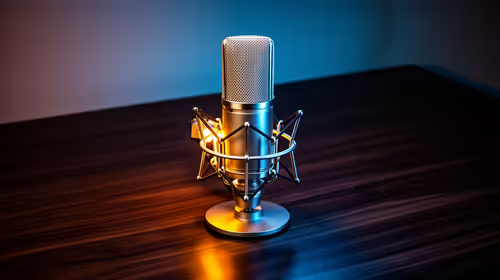
For travel-friendly study, the streaming-microphone short list is a compact, bus-powered USB mic with a cardioid pattern, a fold-flat stand and a headphone monitor jack. That keeps class recordings clear, packs into a laptop bag, and needs no power brick. Budget around R1,000-R2,000.
What a travelling student needs
The short list answers the realities of studying in libraries, trains and shared spaces. Bus power means the mic runs off the laptop's USB port with no extra adapter to carry. A cardioid pattern rejects off-axis room noise so a busy cafe does not bleed into your recording. A fold-flat stand or desk clamp packs small, and a headphone monitor jack lets you check levels with earphones on the go.
Keep it compact and rugged
Favour a metal-bodied or well-protected mic that survives a bag, and a single USB-C cable. Avoid large desktop condensers that need shock-mount arms and pop-filter rigs; they do not travel.
What to skip
Skip XLR mics and interfaces for travel; they add a box and cables. A good compact USB cardioid mic covers online classes, study streams and voice notes anywhere you sit down.
FAQ
What makes a microphone travel-friendly?
Bus power (USB, no separate adapter), a compact fold-flat design and a rugged body. Those let you record clear audio anywhere without carrying extra gear or worrying about damage in a bag.
Does a cardioid pattern help in public spaces?
Yes. Cardioid mics pick up mostly what is in front of them, rejecting side and rear noise, so a busy library or cafe intrudes less on your class recordings.
What does a travel study mic cost at Evetech?
Compact USB cardioid mics suited to travel currently run about R1,000 to R2,000 at Evetech, including a headphone monitor jack at the upper end.
mic with a headphone monitor jack so you can check levels with earphones in a noisy space. Setting gain by ear before recording saves you re-doing a class capture that came out too quiet or clipped.