A single failed resin print rarely fails alone. The bits left behind, cured resin blobs and flakes floating in the vat, are the reason your next three prints fail too. Those fragments settle onto the FEP, sit between the screen and your model, and block the UV light that is supposed to cure each layer. The fix is quick and non-negotiable: strain the vat before you reprint.
Quick Answer
Cured blobs and flakes are debris from a failed print. Left in the vat, they settle on the FEP and block UV light, ruining every subsequent print. Strain all the liquid resin through a fine paint filter into a clean container, wipe the empty vat and FEP with IPA, then pour the filtered resin back in before printing again.
Why Debris in the Vat Ruins Prints
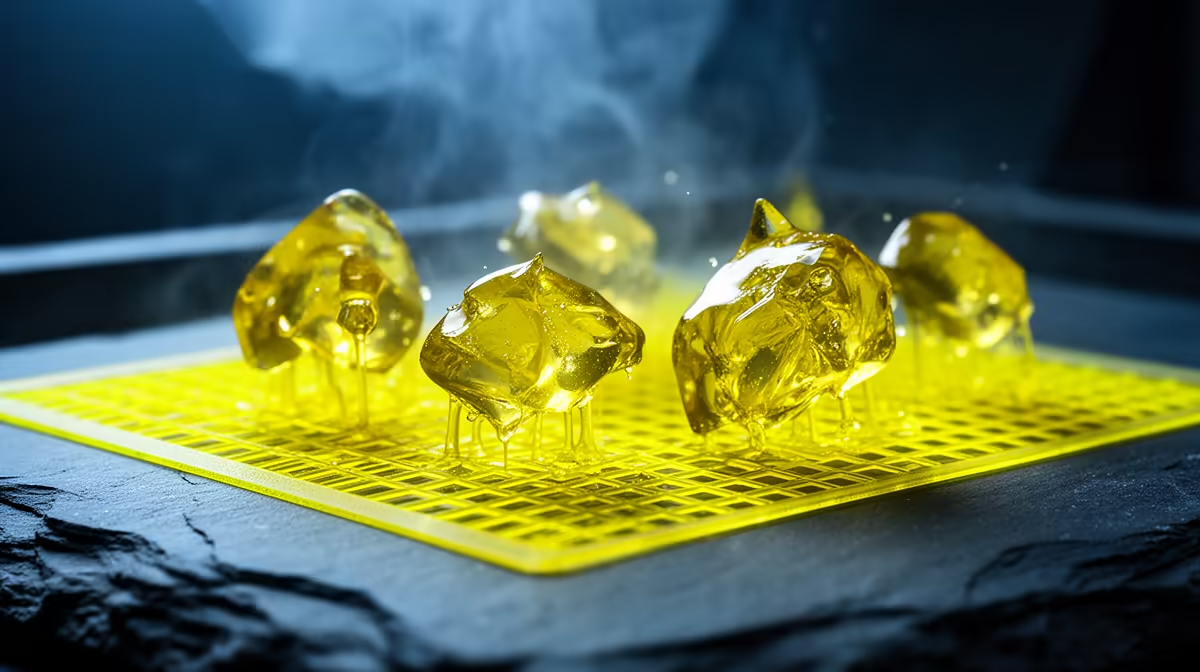
When a print fails partway through, chunks of partially or fully cured resin break off the plate and drop into the pool of liquid resin. They are denser than the liquid, so they sink and settle on the FEP film at the bottom of the vat, exactly where the UV light passes through to start each new layer.
A flake sitting on the FEP does two bad things. It blocks light from reaching the resin above it, so that spot under-cures and the layer fails to form properly. And if it is pressed between the build plate and the FEP, it can dent or even puncture the film, which is a far costlier problem. Reprinting over a contaminated vat is how one failure becomes a run of them. The 3D printer range at Evetech is where the consumables this routine needs, filters, spare FEP, IPA, sit alongside the machines.
How to Filter the Vat Properly
The whole job takes a few minutes and saves you hours of repeated failures.
- Lift out the build plate. Remove it and set it aside, scraping off any stuck failed print so loose fragments do not drop back in.
- Pour through a fine filter. Stand a disposable paint filter, the fine mesh funnel type, over a clean, light-proof container and pour all the liquid resin from the vat through it. The mesh catches every flake while the clean resin runs through.
- Wipe the empty vat and FEP. With the vat empty, gently clean the FEP film with a little IPA on a soft microfibre cloth to lift any residue or stragglers the pour missed. Never use paper towel, which scratches the film.
- Inspect the FEP. While it is clear and empty, check the film for dents, cloudiness or punctures. If it is damaged rather than just dirty, replace it now rather than after another failed print.
- Pour the filtered resin back. Return the strained resin to the clean vat and you are ready to print again.
Make It a Habit, Not a Rescue
Filtering should not only happen after a disaster. Get into the routine of straining resin back into its bottle whenever you finish a session or change colours, and the vat stays clear of the slow build-up of fines that eventually causes trouble. A reusable funnel and a box of filters cost very little against the resin and time a contaminated print wastes.
It also pays to inspect the vat at the start of any big print, since a single overlooked flake on a large flat layer can spoil the whole job. Keeping a few spare filters and a fresh FEP sheet on hand means a failure never stalls your printing for days. The accessories best sellers at Evetech are a convenient place to keep gloves, cloths and the other small items a resin workflow gets through.
Frequently Asked Questions
Can I just scoop the flakes out with a spatula instead of filtering?
Scooping removes the big pieces but misses the fine particles suspended in the resin, which are just as capable of settling on the FEP. Straining the whole pool through a fine filter is the only way to be sure the resin is genuinely clean.
How often should I filter my resin?
Always after a failed print, and ideally whenever you finish a session or change colour. Routine filtering stops the slow accumulation of small cured fragments that would otherwise build up and start causing failures.
What kind of filter should I use?
Fine disposable paint filters, the funnel-shaped mesh type sold for paint straining, work perfectly and are cheap. The fine mesh catches small cured particles while letting the liquid resin pass through freely.
Will leftover flakes damage my printer?
They can. A flake trapped between the build plate and the FEP can dent or puncture the film, and a punctured FEP risks leaking resin onto the LCD screen below, which is an expensive repair. Removing debris protects the hardware as well as the print.
Do I need to clean the FEP every time I filter?
A gentle wipe with IPA on a microfibre cloth after emptying the vat is good practice, since the pour alone can leave residue or a stray flake behind. While the vat is empty, it is also the ideal moment to inspect the FEP for damage.
A two-minute strain of the vat is the cheapest insurance against a run of failed prints. Keep filters and a spare FEP ready, and explore Evetech's 3D printing range to stay stocked on the consumables that keep resin printing reliable.