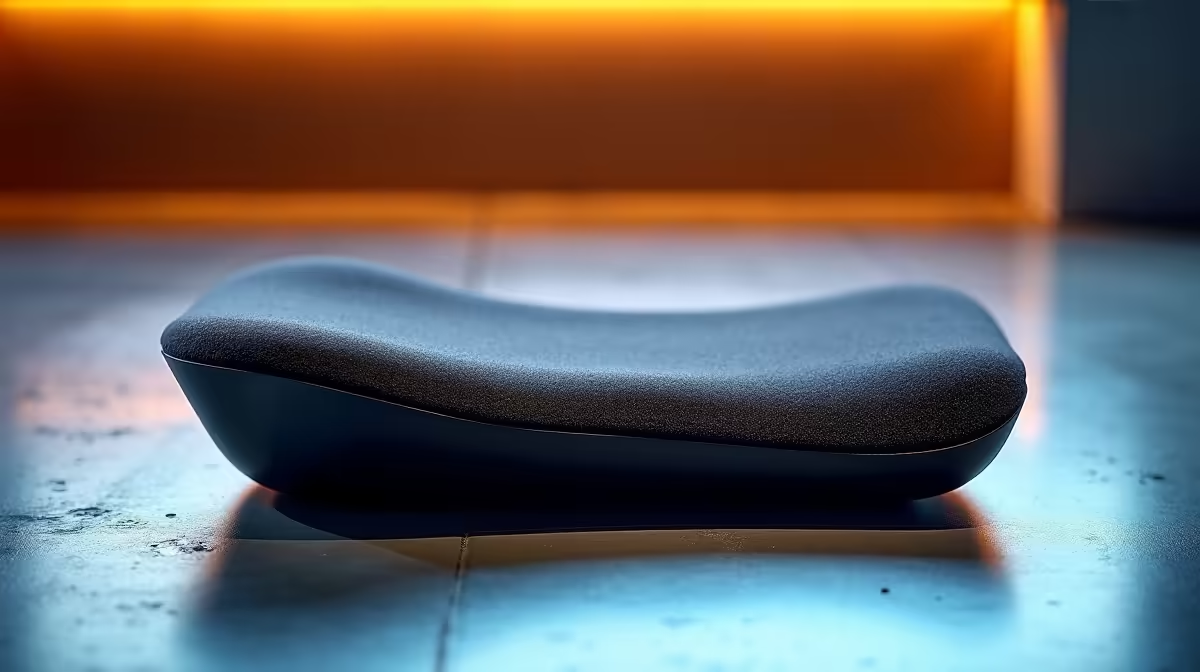
South African summers hit differently from a peripheral comfort standpoint. While a cushioned memory foam palm rest is excellent for posture support year-round, the same closed-cell foam that cushions the wrist also traps the heat it generates, which becomes a genuine issue once the mercury climbs past 30 degrees in Durban or Joburg in January.
Quick Answer
Memory foam rests stay supportive through summer heat but can feel warm and sticky within 20 minutes of contact. A breathable mesh cover or gel-infused base pulls heat away from the wrist, making the rest comfortable through long afternoon sessions on hot SA days.
🔧 Why Foam and Summer Heat Do Not Always Mix Well
Closed-cell memory foam holds its shape under pressure and springs back slowly, which is exactly what makes it effective for distributing wrist contact load. That same density, however, limits airflow through the material. Wrist skin generates heat during extended contact, and without ventilation that warmth accumulates at the foam surface.
In moderate temperatures this is barely noticeable. At 30 degrees and above, particularly in coastal cities where humidity sits above 70 percent, the foam surface reaches skin temperature quickly and then holds it there. The result is the sticky, clammy sensation anyone who has rested a hand on a closed foam surface during a hot afternoon will recognise.
Sweat adds a second problem. Moisture that soaks repeatedly into unprotected foam breaks down the cell structure over months, shortening the rest's useful life. Leatherette covers look clean on a desk but are the worst option in summer: they do not breathe and trap both heat and sweat against the skin from the first minute of contact.
⚡ How Cover Material Changes the Experience
A woven fabric or open-mesh cover solves most of the heat problem by giving moisture somewhere to go. Woven fabric pulls sweat away from the skin through capillary action, staying drier than bare foam even on a 35-degree Cape Town afternoon. Open mesh does the same and adds visible airflow through the cover into the foam below.
The trade-off is maintenance. Fabric covers accumulate grime faster than leatherette and need more frequent washing. During a hot SA summer, a weekly wipe with mild soap and water keeps the cover fresh and prevents the odour that builds when sweat dries in the fibres repeatedly. Most quality foam rests have removable covers specifically to make this practical.
A wipeable fabric that wicks moisture and cleans quickly is the most practical summer choice for a South African office setup.
✨ Cooling Gel Bases: What They Actually Do
A gel layer bonded to the underside of a foam rest, or running as a separate gel-filled pad on top, works differently from a cover. Where a fabric cover removes heat by wicking, a gel base absorbs it. Gel has a higher thermal mass than foam, which means it pulls warmth from the wrist rather than simply redirecting it.
The practical effect is a rest that feels perceptibly cooler on initial contact and stays cooler for longer under sustained use. Gel does eventually equilibrate to body temperature, typically after 30 to 45 minutes of continuous contact, but at that point the skin has adapted and the sensation of warmth has largely passed.
For someone working through a long, hot afternoon in a Cape Town office without air conditioning, a cooling-gel rest buys meaningful comfort that a plain foam version cannot match. The gel also adds pressure distribution that complements rather than replaces the memory foam underneath.
Frequently Asked Questions
Will a memory foam rest stay comfortable through a full working day in SA summer heat?
With the right cover, yes. Plain closed-cell foam without airflow becomes uncomfortable within 20 to 30 minutes of contact at high temperatures. A breathable mesh cover or gel-infused surface keeps the rest usable across a full day. Air conditioning helps significantly, but the cover choice matters even in a cooled office on a very hot day.
Which cover material handles Durban's coastal humidity best?
Open mesh or woven fabric both outperform leatherette in humid conditions. Coastal humidity means sweat evaporates slowly, so the cover needs to wick moisture away rather than just resist it. Leatherette traps both heat and moisture against the skin, which makes it the worst choice for anyone in Durban or the Garden Route during summer.
Does repeated summer sweating actually damage the foam?
Over time, yes. Moisture that soaks into the foam repeatedly disrupts the cell structure and causes the rest to compress and lose its spring-back quality faster than a rest kept dry. A removable, washable cover is the simplest way to extend the rest's life by keeping moisture from penetrating the foam itself.
Is a gel-layer rest worth the higher price for South African summers?
For heavy users in warm offices without consistent air conditioning, yes. The gel's thermal absorption provides a noticeably cooler surface during the first hour, which is precisely when heat buildup is most uncomfortable. For lightly-used desks or well-cooled offices, a quality fabric-covered foam rest is sufficient and costs less.
Ready to keep your wrists comfortable even through a 35-degree summer afternoon? Browse the ergonomic palm rest range at Evetech and find a model with the cover material and cooling design that fits your working environment.