


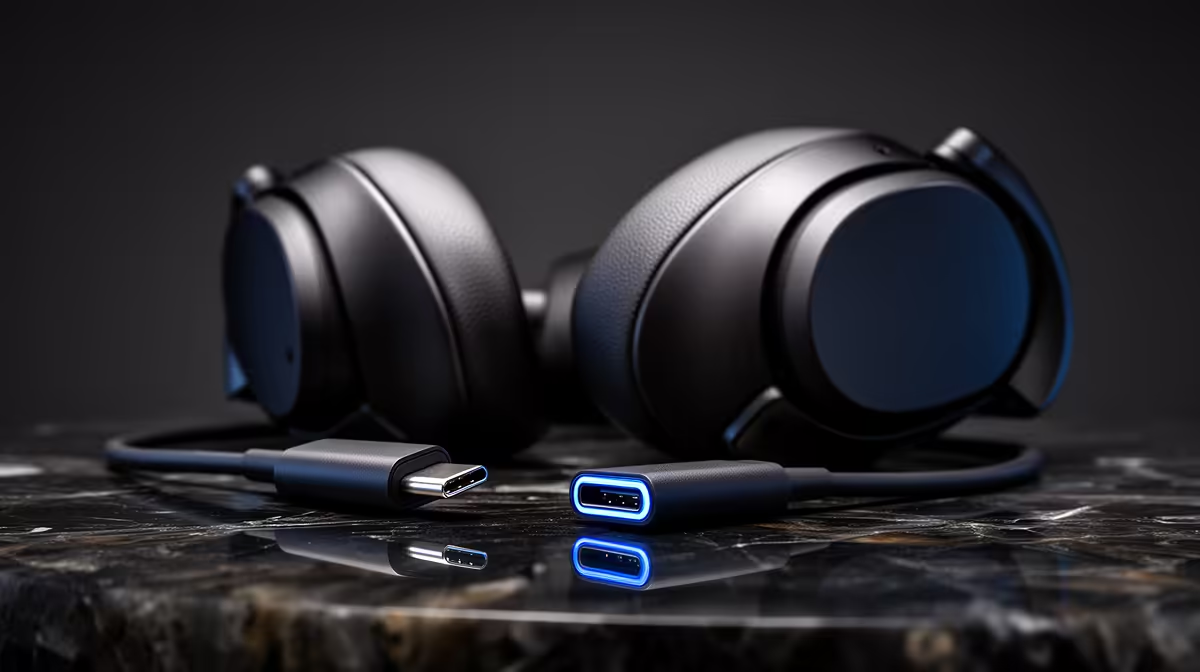
When interference in wired headphones with compact USB-C converters goes wrong, the cause is often less dramatic than it feels. Local mobile gamers should isolate USB-C charging, 50 ms wired timing check and active DAC recognition before replacing gear.
Quick Answer
The practical answer for interference in wired headphones with compact USB-C converters is to match USB-C charging, 50 ms wired timing check and active DAC recognition to your main device first. If that fit is clear, mobile gaming is a better test than marketing language.
Troubleshooting Interference in Wired Headphones with Compact USB-C Converters
Begin with the device chain you already use for interference in wired headphones with compact USB-C converters. If USB-C charging is unclear, the rest of the comparison becomes guesswork, especially when mobile gaming demands longer headphone use. Check 50 ms wired timing check for interference in wired headphones with compact USB-C converters on the actual phone, laptop, console or desk where the product will live. For local mobile gamers, active DAC recognition is the detail that often decides whether cable noise stays away.
Where USB-C Charging Fits In For Interference in Wired Headphones with Compact
Do not separate comfort from compatibility when judging interference in wired headphones with compact USB-C converters. A product can list USB-C charging and still feel wrong if 50 ms wired timing check is awkward on your device or if active DAC recognition adds friction to legacy speaker setups. For interference in wired headphones with compact USB-C converters, local buyers may use the same gear across work, study and entertainment, so the practical winner travels between those roles cleanly. With interference in wired headphones with compact USB-C converters, that matters more than a rarely used feature.
Red Flags That Point To A Bad Match For Interference in Wired Headphones with Compact
Keep the decision grounded in the first week of ownership for interference in wired headphones with compact USB-C converters. If cable noise is the concern, check active DAC recognition on interference in wired headphones with compact USB-C converters during normal desk use. For mobile gaming, choose the model that removes the most friction with the least extra setup. For interference in wired headphones with compact USB-C converters, that is usually better than chasing the longest feature list.
Shortlist interference in wired headphones with compact USB-C converters by the problem it solves first, then use USB-C charging, 50 ms wired timing check and active DAC recognition to separate close options.
FAQ
What should I test first when Interference in Wired Headphones with Compact USB-C Converters behaves badly for Mobile Gaming?
Start with USB-C charging, then check 50 ms wired timing check on the main device. Most interference in wired headphones with compact USB-C converters problems become clearer once basic compatibility is removed.
When is replacement the right move for Interference in Wired Headphones with Compact USB-C Converters when USB-C Charging matters in Mobile Gaming?
Replace the product only when active DAC recognition or build quality is clearly limiting longer headphone use. If interference in wired headphones with compact USB-C converters settings or pairing are the cause, a new model may repeat the same issue.
Can Interference in Wired Headphones with Compact USB-C Converters problems come from the device with 50 ms Wired Timing Check in Mobile Gaming?
Yes. Devices and apps can all affect interference in wired headphones with compact USB-C converters, especially when mobile gaming depends on stable support.










