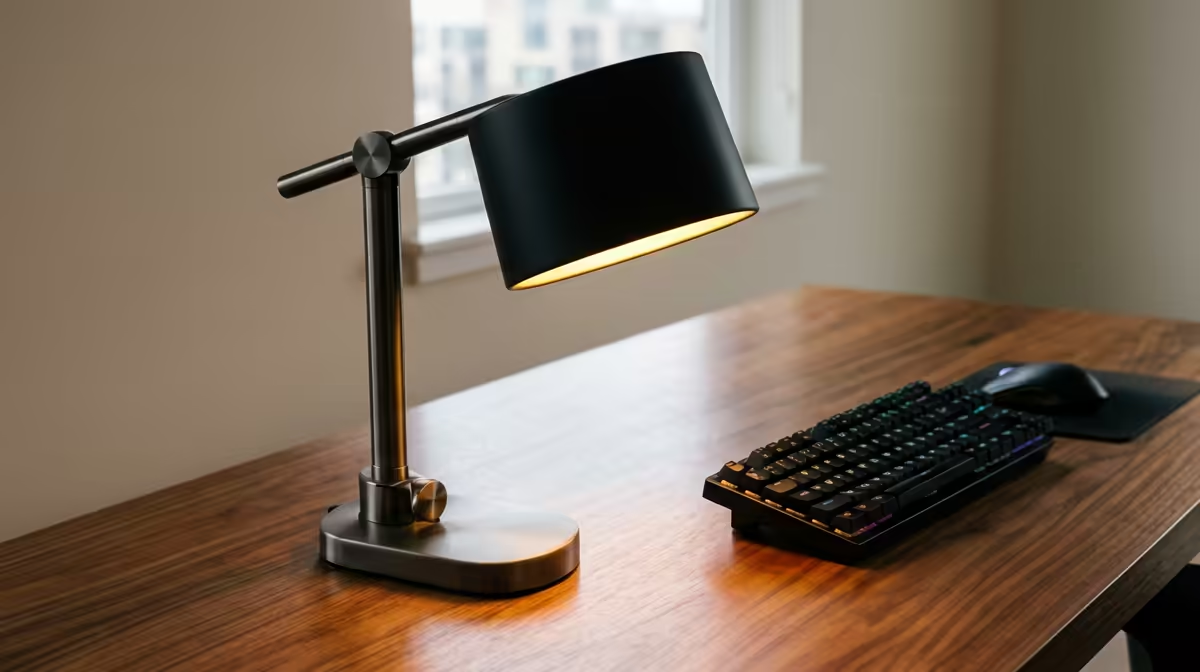
Plenty of desk accessories promise to fix your aches and most do very little, but a small handful genuinely move the needle. The ergonomic desk upgrades that hold up to scrutiny share one trait: they change the angle of a joint or the line of your gaze rather than just adding padding. Spend on those and your neck, wrists, and lower back notice within a week. Spend on the rest and you mostly notice the dent in your wallet.
Quick Answer
Three upgrades earn their keep: raising your monitor so the top sits at eye level, keeping your wrists neutral rather than bent, and adding a footrest if your feet do not sit flat on the floor. Each costs little, often under R600, and addresses a real biomechanical problem. Most other marketed accessories are optional comfort, not correction.
Monitor height is the upgrade that fixes your neck
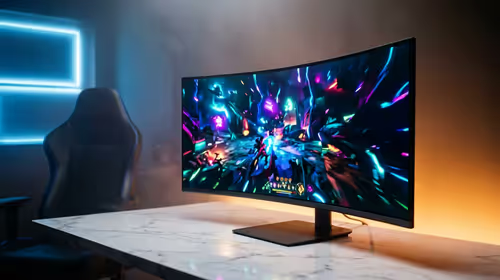
The most common desk-posture problem is looking down at a screen all day, which loads the cervical spine and tightens the neck and shoulders. The fix is to bring the top third of the display to your resting eye level so your gaze falls slightly downward, around 15 to 20 degrees, without you dropping your chin. A monitor arm or even a sturdy riser does this. If you work mainly off a laptop, this is the single highest-value change you can make, because no chair, however good, can undo the strain of staring down at a low screen for hours.
Neutral wrists and supported feet
Your forearms should run roughly parallel to the floor with elbows near 90 degrees, and your wrists should float flat rather than cocking up, down, or sideways. A wrist rest helps only if it keeps the wrist neutral during pauses, not if it forces the heel of the hand into a fixed angle. A split or tented keyboard does more for genuinely sore wrists than any rest, because it reduces the inward rotation that contributes to strain. The footrest is the quiet hero of the list. If your feet dangle when the chair is set to the correct height, the body shifts weight forward, the pelvis tilts, and pressure climbs in the lower back. A simple angled platform solves it, and a proper chair set at the right height makes the whole stack work. The gaming and ergonomic desk selection at Evetech is the place to start if your workspace surface is the weak link, since desk space and monitor alignment work hand in hand for a comfortable setup.
The upgrades you can usually skip
Gel palm pads that sit too high, novelty under-desk hammocks, vibrating massage cushions, and most generic gadgets sold as ergonomic add comfort at best and change nothing about your posture. They are not harmful, but they are discretionary. Put your money into height, wrist angle, and foot support first, and only then consider the extras. A sensible order is monitor height, then chair, then footrest, then keyboard position, adding one change at a time so you can feel what each does.
Frequently Asked Questions
What is the most important ergonomic upgrade?
Monitor height. Getting the top of the screen to eye level removes the downward neck tilt that causes most desk-related neck and shoulder pain, and it costs very little with a riser or arm.
Do wrist rests actually help?
Only when they keep the wrist neutral during typing pauses. If a rest props the wrist into a bent angle it can make things worse. A tented or split keyboard often does more for sore wrists than any rest.
When do I need a footrest?
Whenever your feet do not rest flat on the floor once the chair is set to the correct height. Unsupported feet shift your weight forward and load the lower back, and a simple angled platform fixes it.
Are expensive ergonomic gadgets worth it?
Most are comfort extras rather than corrections. The cheap, high-value changes are screen height, wrist position, and foot support. Spend there first before considering anything fancier.
Start with the foundation that supports your whole workspace. Compare what other SA buyers are choosing in the best-selling desk accessories at Evetech and get the desk and monitor sorted before layering on the smaller upgrades.