


Quick Answer
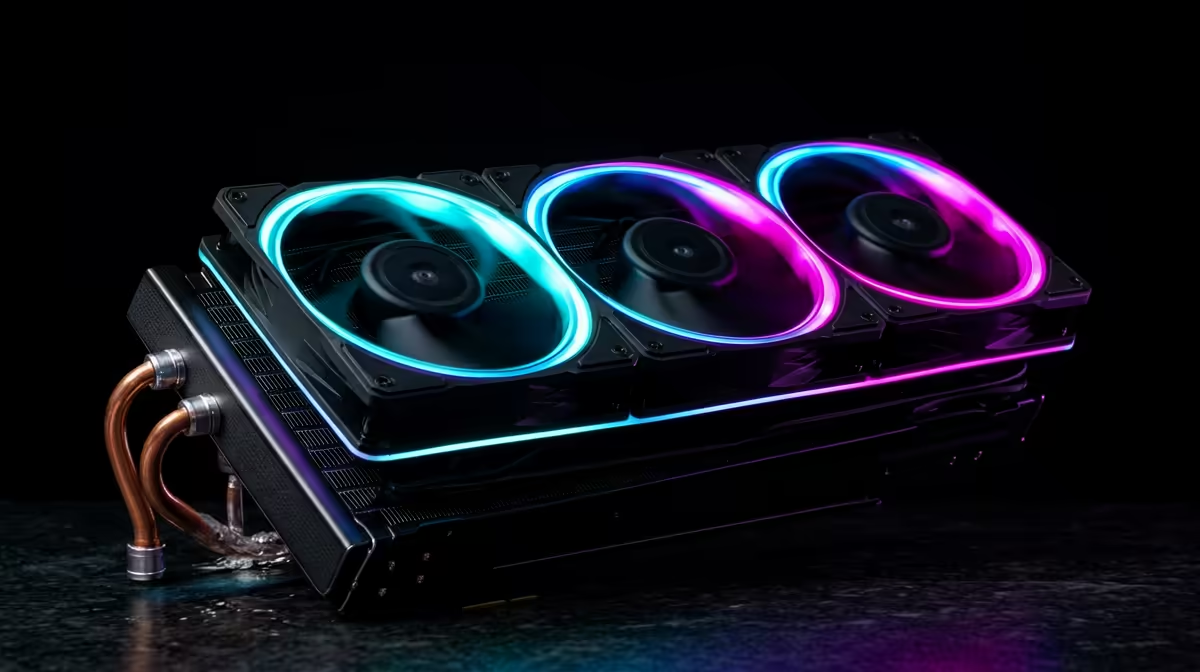
A 420mm AIO liquid cooler combines a large three-fan radiator, a cold plate pump head, flexible tubing and pre-filled coolant into one sealed unit. The key features that determine real-world performance are radiator thickness, pump speed, cold plate material, fan blade design and software integration for monitoring.
The Radiator: Where Heat Actually Leaves Your Build 🌡️
The radiator is a row of thin aluminium or copper fins bonded to micro-channels that coolant flows through. Size is measured by the number and diameter of fans it accommodates: 420mm means three 140mm fans. Thickness matters as much as length. A 27mm thick radiator offers less fin density than a 38mm thick unit, so look for radiators rated at 30mm or thicker for peak performance. Copper radiators dissipate heat more efficiently than aluminium ones but add cost. Most premium 420mm AIOs currently stocked at Evetech, priced between R3,500 and R6,500, use copper micro-channel construction. The fin pitch, how tightly the fins are spaced, also affects performance at lower fan speeds, which is important if you value quiet operation during lighter tasks.
Cold Plate and Pump: The Engine of the Loop 🔧
The cold plate sits directly on your CPU's integrated heat spreader. Copper cold plates with a mirror-polished or micro-structured surface transfer heat most efficiently. Some newer AIOs, like the ASUS ROG Ryujin III series, use a direct-die or infinity mirror style pump head that also pushes coolant across VRM heatsinks via embedded fans on the head unit itself, which helps on high-end motherboards with dense power delivery. Pump speed is typically expressed in RPM and adjustable via your motherboard's PWM headers. Running the pump at 2,400 to 2,800 RPM is the sweet spot for most builds: quiet enough for daily use, fast enough to keep coolant temperatures stable under sustained Ryzen 9 9950X all-core loads reaching 200W or more.
Fan Design and Noise: Balancing Airflow and Acoustics 🎧
The three 140mm fans bundled with a 420mm AIO define how quietly it can cool. High-static-pressure blade profiles move air through dense radiator fins more effectively than standard airflow fans. Look for fan models with hydraulic or dual ball bearings for longevity above 50,000 hours. DRGB fans on premium units add visual flair but the lighting circuit adds a small amount to overall power draw. At 1,200 RPM most quality 140mm fans stay below 28 dBA, which is near-silent in a closed case. If you are building a content creation studio where acoustic noise matters, target AIOs advertising noise-optimised fan profiles. SA-built home studios in warmer Gauteng or Western Cape summers benefit noticeably from the extra thermal headroom of three 140mm fans versus two, because ambient room temperature directly raises your coolant floor.
Check Your Socket Before You Order ⚡
The AM5 bracket for Ryzen 7000 and 9000 series processors differs from AM4, and most modern 420mm AIOs include both in the box. Intel LGA1851 for Core Ultra 200 series also requires a specific bracket. Confirm the included socket list on the product page before purchasing to avoid a return trip.
FAQ
What socket types do 420mm AIOs typically support?
Most current 420mm AIOs support AMD AM4, AM5 and Intel LGA1700 and LGA1851 out of the box.
Do I need software to run a 420mm AIO?
No.
How thick a radiator should I look for in a 420mm AIO?
Aim for 30mm to 38mm radiator thickness for a good balance between performance and compatibility.
Ready to spec your 420mm AIO with confidence? Evetech stocks a curated range of premium liquid coolers with local warranty support, so you can find the right pump, radiator and fan combination for your exact CPU and case.










