


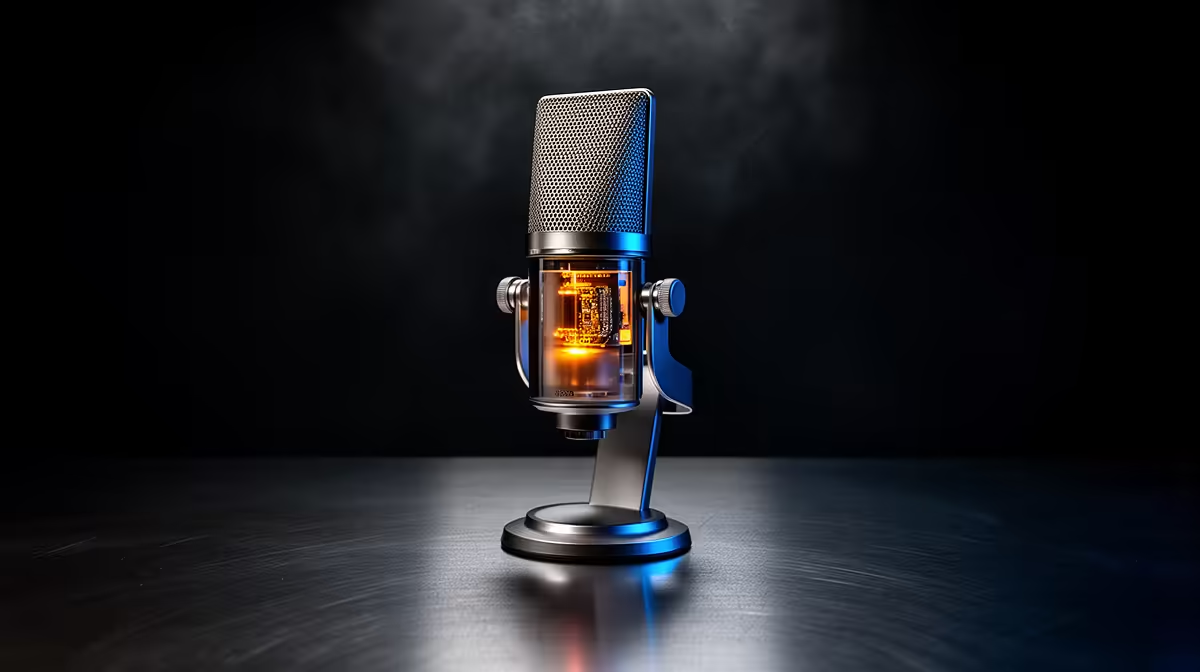
Dynamic microphones are deceptively quiet by design. The high-gain preamp exists specifically to solve that problem, lifting the naturally low output voltage of a dynamic mic to a usable level without dragging the noise floor up with it. If your voice sounds thin or you are cranking gain past the halfway point and still struggling, the preamp is the part of your chain that needs attention.
Quick Answer
Dynamic mics output a very weak electrical signal. A high-gain preamp lifts that signal cleanly in the analogue domain using 55 to 65dB of amplification. Budget interfaces run out of clean gain well before that point, so the only way to add volume is a noisy digital boost, which raises hiss as fast as it raises your voice.
🔧 Why Dynamic Mics Need So Much Gain
Unlike condenser mics, dynamic microphones generate their own signal through electromagnetic induction rather than relying on an external voltage. The trade-off is a much weaker output, typically in the range of -55 to -60 dBu for a broadcast dynamic. That signal needs to climb between 55 and 65dB before it reaches the line levels a recorder or interface expects.
A basic interface may advertise a maximum of 45 to 50dB. That sounds adequate until you factor in headroom, and suddenly the signal you need sits above what the hardware can cleanly provide. Past the clean limit, the preamp clips or compensates in software by adding digital gain, which brings hiss with it.
A purpose-built high-gain preamp is designed with that 60dB requirement in mind from the start. It amplifies the analogue signal through a low-noise circuit before any conversion to digital takes place.
⚡ Clean Gain Versus Digital Boost
When your interface runs out of gain and your recording software shows a signal that is too low, the obvious move is to turn it up in the DAW. That amplifies the voice. It amplifies everything else by exactly the same amount as well.
Digital gain is applied after analogue-to-digital conversion. Any hiss already present in the signal is locked in as data at that point. A 20dB digital lift means 20dB more hiss underneath every word.
A high-gain preamp operates before conversion. It brings the dynamic mic signal up using clean circuits, so by the time conversion happens, the voice is already sitting at a healthy level with a noise floor well below it.
🔌 Setting Levels to Avoid Clipping
A signal that arrives too hot into the analogue stage will clip the preamp before it reaches the converter, and clipped analogue audio distorts in a way that cannot be repaired. Aim for peaks landing around -12 dBFS on your metering. That leaves headroom for louder moments without hitting the ceiling. If peaks are consistently above -6 dBFS, ease back slightly. Below -18 dBFS, you have room to add clean gain.
Frequently Asked Questions
Why does my dynamic mic sound quieter than other people's recordings?
The output voltage of a dynamic mic is much lower than a condenser or a USB mic with a built-in amplifier. If the interface cannot supply enough clean gain to compensate, the voice sits buried and sounds thin or distant, even with the gain control turned up fully.
What does a 65dB gain rating on a preamp actually mean?
Popular broadcast dynamics need close to 65dB of amplification to reach a strong recording level. A preamp rated to that figure delivers clean amplification across the entire range, rather than hitting noise in the top third where budget units struggle.
Does my current interface have enough gain for my dynamic mic?
Check the published specification. If the maximum is below 55dB, you will likely push past the clean range trying to record a quiet dynamic. A dedicated high-gain preamp placed between the mic and the interface solves that without replacing the whole chain.
Can a quiet recording be fixed after capture?
A recording with a low noise floor can be nudged up cleanly in post. One that was too quiet and already noisy will sound worse as the noise rises with the voice. Correct levels at capture rather than at the editing stage.
Is high gain the same thing as a low-noise preamp?
They are separate specs. High gain describes maximum amplification available. Low noise refers to equivalent input noise. The best option for dynamic mics combines both: enough range to reach 65dB and a quiet circuit that does not introduce hiss on the way there.
Ready to get broadcast-level volume from your dynamic mic? Browse the preamp and audio interface range at Evetech to find a high-gain option that fits your recording setup and budget.










